
Best Mesa Boogie 4x12 Guitar Cabs 2026
Alright, so you're looking at Mesa Boogie 4x12 cabs. Let's be real, you're probably chasing that signature Mesa tone - that thick, saturated, almost vocal midrange that cuts through a wall of guitars. These aren't just speaker enclosures; they're a crucial part of the Mesa experience, and choosing the right one can make or break your rig. We're gonna break down the options, because slapping a decent head on a cheap cab is like putting a Ferrari engine in a Pinto.
Last updated: April 11, 2026
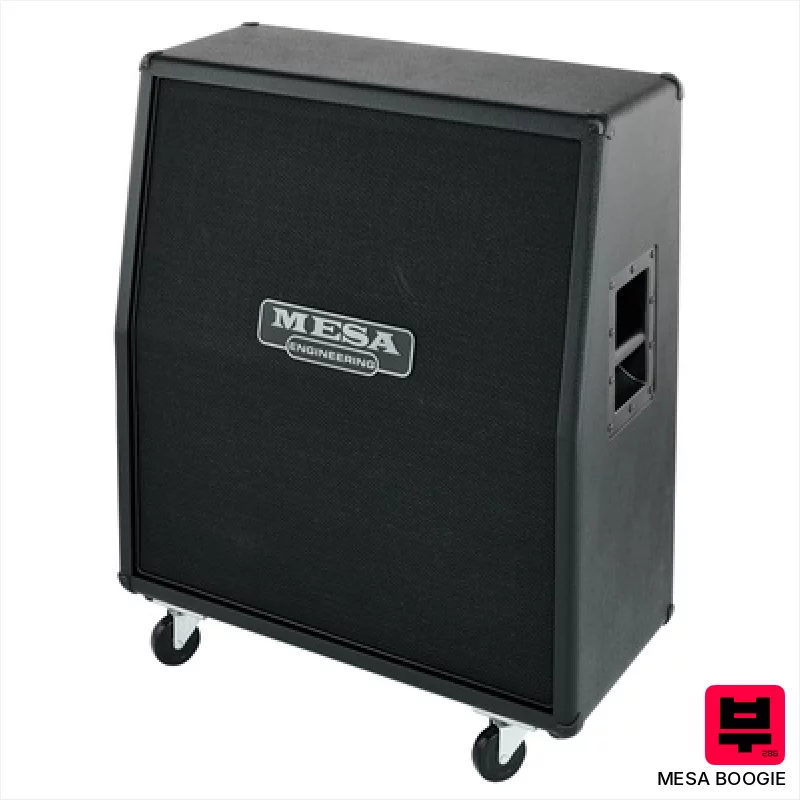
Mesa Boogie Roadking 412 Slant
- • Roadking construction delivers exceptional durability for the road.
- • Slanted cabinet design improves sound projection and coverage.
- • Premium Mesa/EMU drivers offer a tight, articulate, and powerful tone.
- • Robust birch ply construction contributes to focused, resonant low-end response.
- • The considerable weight makes transportation a two-person job.
- • Relatively limited tonal flexibility compared to some more versatile cabs.
- • Premium-priced, representing a significant investment for many players.
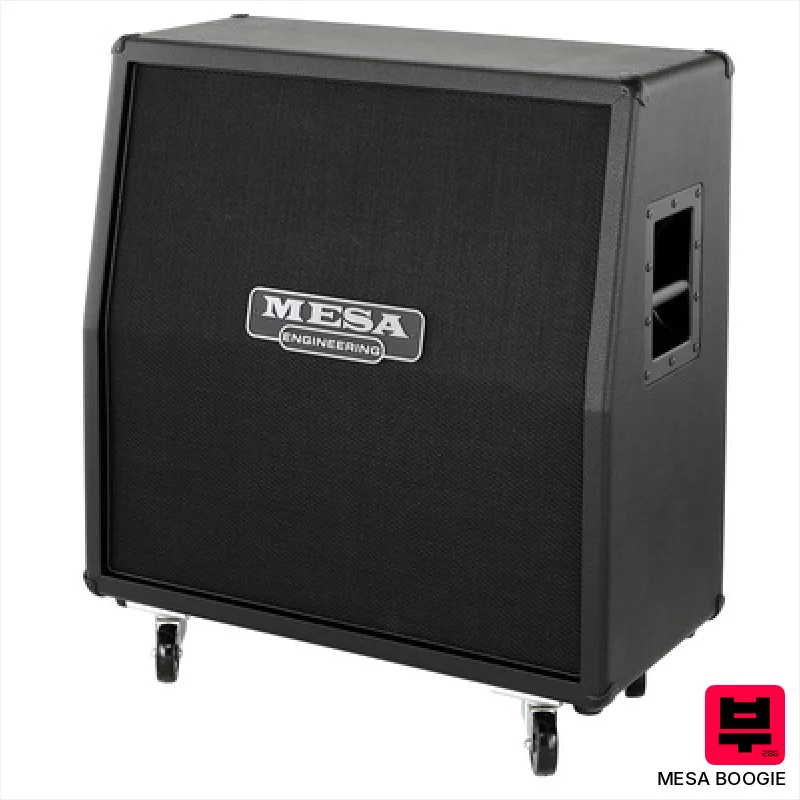
Mesa Boogie Rectifier 412 Traditional SL
- • Robust Taurus housing provides excellent protection and resonance.
- • Celestion V30 speakers deliver Mesa's signature Rectifier high-gain tone.
- • Heavy-duty castors simplify transport, a welcome addition for its size.
- • Closed-back design focuses and tightens the low-end response.
- • Extremely heavy; requires two people to safely move and load.
- • The closed-back design limits versatility for cleaner, more open tones.
- • Premium-priced, represents a significant investment for most guitarists.

Mesa Boogie Vintage Split Back 4x12
- • Vintage 30/90 combo delivers a uniquely balanced, aggressive tone.
- • Robust metal grille protects speakers from damage on the road.
- • Slanted design improves projection and stage visibility for the band.
- • Track-lock casters provide excellent mobility despite substantial weight.
- • The weight makes transport a serious two-person job; expect back strain.
- • The split-back design limits low-end extension compared to full-back cabs.
- • Premium-priced, representing a significant investment for most guitarists.
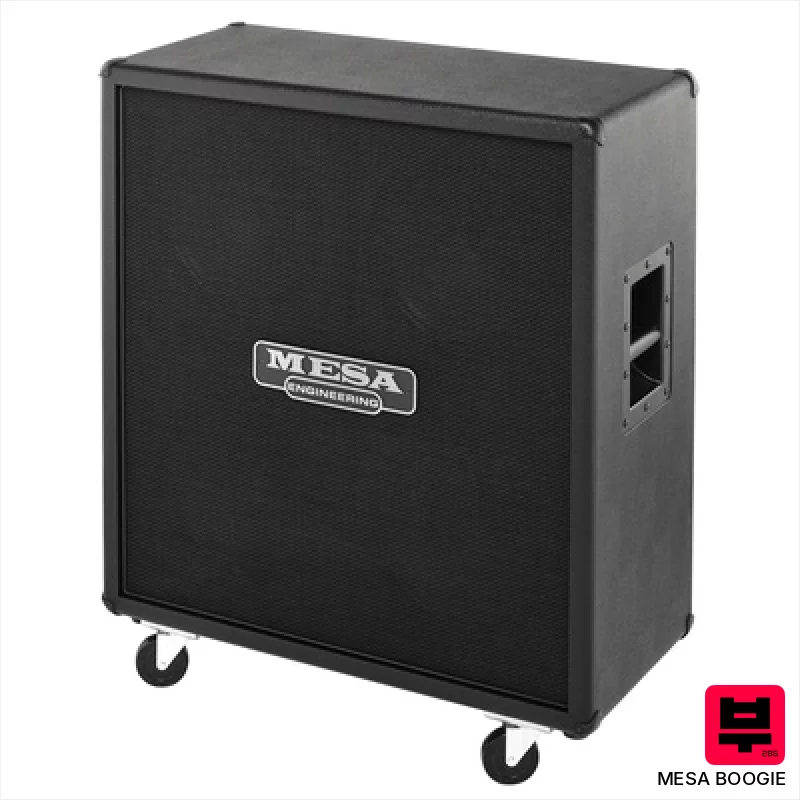
Mesa Boogie 4x12 Rectifier Stand. Straight
- • Rectifier voicing delivers aggressive, saturated high-gain tones.
- • Vintage 30 speakers provide a classic, versatile, and powerful sound.
- • Track-Loc casters enable easy mobility despite the substantial weight.
- • Robust construction with Baltic birch plywood ensures durability and resonance.
- • The weight makes transportation and maneuvering a significant challenge.
- • Rectifier voicing isn’t ideal for clean, nuanced playing styles.
- • Premium-priced, representing a considerable investment for many guitarists.

Mesa Boogie 4x12 Rectifier Stand. Slant
- • Robust construction with thick steel and durable Mesa Boogie finish
- • Vintage 30 speakers deliver that iconic Rectifier high-gain tone
- • Slanted design improves projection and stage visibility
- • Track-Loc casters offer smooth, reliable mobility on any surface
- • Premium-priced, representing a significant investment for most players
- • Heavy; requires two people for safe and easy movement
- • Slanted design may not suit all stage setups or aesthetic preferences
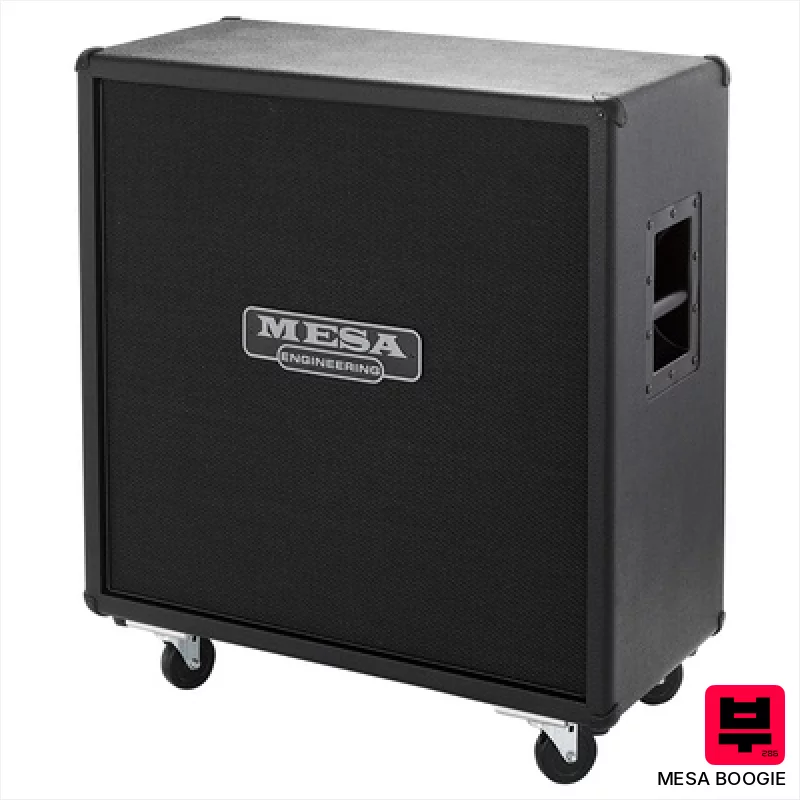
Mesa Boogie Rectifier 412 Traditional ST
- • Robust construction with Mesa’s signature angled design for optimal stage monitoring
- • Celestion Vintage 30 speakers deliver a classic, aggressive Rectifier tone
- • Heavy-duty hardware and meticulous attention to detail ensure lasting durability
- • Straight-back design focuses the sound, delivering a tight and powerful low-end
- • Extremely heavy – moving this cab solo is a serious challenge
- • The straight-back design can be less forgiving with amp EQ choices
- • Premium-priced, representing a significant investment for most guitarists
How to Choose the Best 4x12 Guitar Cabs
Speaker Choice
This is the big one. Vintage 30s are the standard for a reason - tight, aggressive, and articulate. Celestion Greenbacks offer a looser, more vintage low-end thump that's great for blues and classic rock. Mesa's own speakers are often voiced for a specific Mesa tone - usually leaning towards a darker, more compressed character. Consider your amp's voicing and desired genre.
Construction Quality
Mesa cabs are built like tanks, period. Baltic birch plywood is the norm, providing rigidity and resonance. Check the bracing; a well-braced cab will handle serious punishment on the road and retain its structural integrity longer. This isn't something you want to skimp on.
Cabinet Design (Closed vs. Ported)
Most Mesa cabs are closed-back, which emphasizes tightness and definition. Ported cabs (rarer) can deliver more low-end extension, but at the expense of some clarity and tightness. For most high-gain applications, closed is the way to go.
Midrange Response
This is where Mesa really shines. Their cabs are designed to accentuate the midrange, providing that characteristic 'honk' that cuts through a mix. The specific voicing will vary depending on the speaker choice, but expect a focused and prominent midrange presence.
Headroom and Breakup
A Mesa cab isn't just about clean tone. It's about how it handles breakup. The speaker choice and cabinet design influence how the amp breaks up - a Vintage 30 will generally get dirtier and more aggressive than a Greenback at similar volumes.
Buying Guide
Don't be swayed by flashy graphics or marketing hype. The best Mesa 4x12 for you depends entirely on your amp and your musical style. Used cabs are a great way to save money, but inspect them carefully for damage - especially the corners and Tolex covering. Paying more gets you better bracing, potentially higher-end speaker choices, and a more refined aesthetic, but a solid, well-maintained older cab with Vintage 30s will often outperform a newer, cheaper model.
How This List Is Built
We don't play these instruments — we're a catalog, not a review desk, and we'd rather say so than pretend otherwise. This page ranks 6 4x12 guitar cabs from the Thomann catalogue, which is the largest single source of specification data in this category.
Position is computed, not curated. Four signals, in order of weight: how completely the manufacturer documents the instrument (number of published specifications), where it sits in the price range, how specific the model designation is — which filters out generic accessories — and whether a product image exists. The same inputs always produce the same order, so nothing here is shuffled to look fresh.
What this list is good for: narrowing a category down to a shortlist by spec and budget. What it isn't: a substitute for hearing an instrument. Before you buy, read hands-on reviews and, where you can, play it. Full methodology.

