AudioFu
AudioFu Chart · October 2026
Best Harley Benton 4-String Electric Double Basses 2026
The top pick is Harley Benton DB02-LH/BK Elec. Double Bass ($673). Harley Benton Artist Solo El. Upright Bass leads the high end. Ranked by the AudioFu Index from 4 models, prices checked every night.
Last updated: October 18, 2026
Top 4
Full detail for the 4 highest AudioFu Index scores. Every other model is listed below.
-
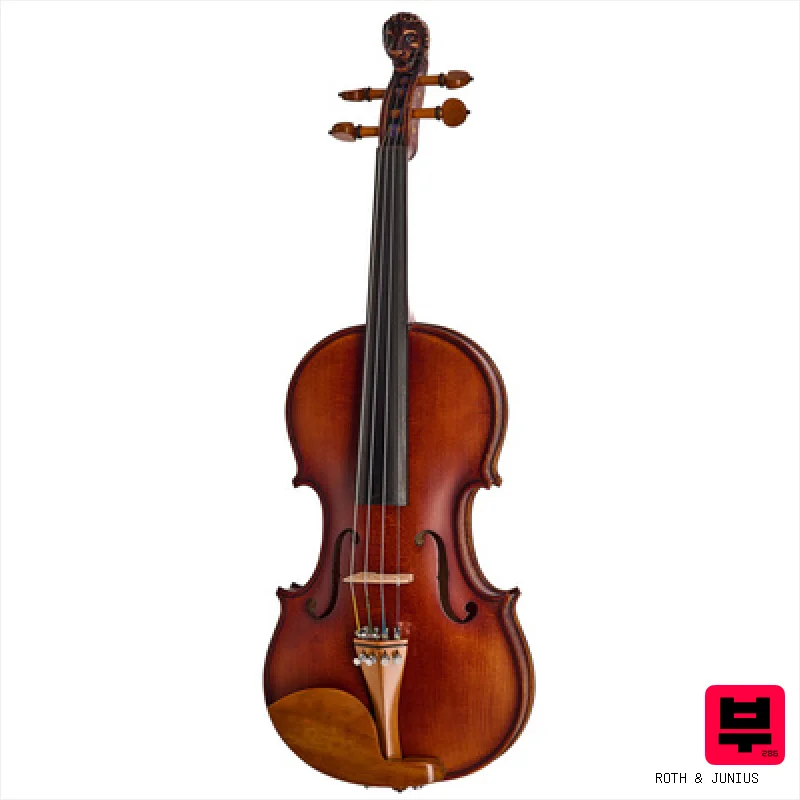
- BodyPaulownia body
- FingerboardBirch fingerboard
The DB02-LH is a seriously impressive entry-level electric double bass, especially for left-handers. It delivers a surprisingly good tone and playability for the price, making it ideal for students, beginners, or anyone wanting a compact, amplified double bass for practice or smaller gigs. The active pickups give it a modern edge while maintaining a warm, traditional character.
Pros
- Paulownia body offers surprisingly resonant and warm tonal foundation
- Birch fingerboard provides a smooth playing experience, minimizing string drag
- Active pickup system delivers a strong, focused signal with reduced noise
Cons
- Paulownia body, while resonant, can be prone to dents and finish checking
- Active electronics require a 9V battery, adding maintenance and potential failure point
63AudioFu
Index↓ 7.9%since Aug 14 · lowest so far$730 · Aug 14$673 now$673€598 at Thomann · in stockCheck price ↗ -
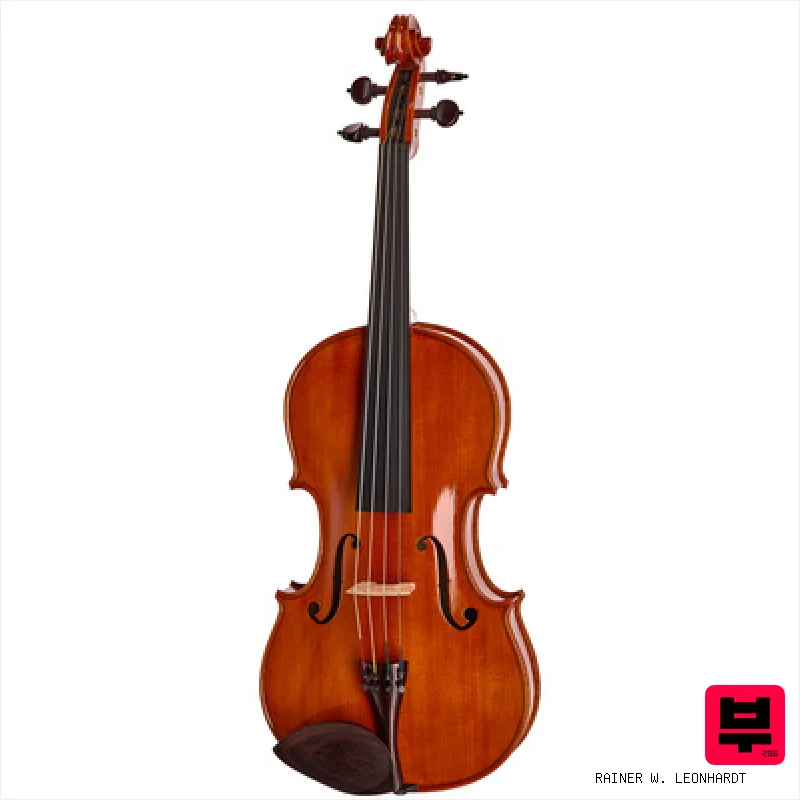
- BodyPoplar body
- FingerboardEbony fingerboard
- Size3/4 size
This is a solid choice for players who want built-in electronics and a stand ready to go. The black carbon fiber body sounds good, and the included bow saves you extra money. Just remember you need fresh batteries to hear the sound through an amp or PA. It fits well in smaller rooms thanks to the 3/4 size. Great for students or giggers who need reliable gear on a budget.
Pros
- Adjustable tripod stand included in the case
- Solid poplar body with maple neck construction
- Active piezo system with four independent controls
Cons
- Requires two AA batteries to operate the pickup
- Lacks passive output for direct connection without power
58AudioFu
Index↓ 13.4%since Oct 1 · lowest so far$1,103 · Oct 1$955 now$955€849 at Thomann · in stockCheck price ↗ -
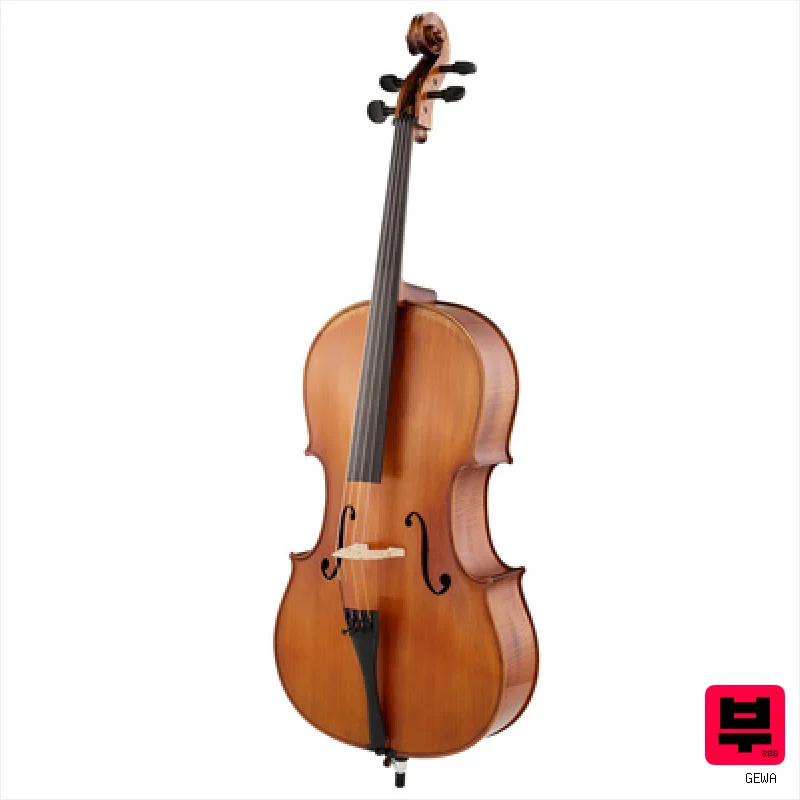
- FingerboardEbony fingerboard
- Size3/4 size
This is a great choice for players who want a built-in preamp without the bulk of a full amp. The active piezo pickup lets you shape your tone with four knobs for volume, mids, bass, and presence. It feels solid with a paulownia top and maple neck, and the included accessories make it ready to play right away.
Pros
- Solid paulownia top and maple neck construction
- Carbon tailpiece for stable tuning
- Four independent EQ controls for sound shaping
Cons
- Requires two AA batteries to operate
- No active/passive switch for sound choice
47AudioFu
IndexStableno change since Oct 1Oct 1$1,452 now$1,452€1,290 at Thomann · in stockCheck price ↗ -
The DB01-CB is a seriously impressive entry-level electric double bass. It's fantastic for students, beginners, or anyone wanting a portable, amplified double bass experience without a premium-priced investment. The active pickups really shine for practice and smaller gigs.
Pros
- Paulownia body offers surprisingly resonant, warm low-end tones
- Birch fingerboard provides a smooth, fast playing experience
- Active pickup system delivers a focused, amplified signal with reduced noise
Cons
- Paulownia body, while resonant, can feel less robust than mahogany or maple
- Carbon bow may require more frequent re-hairing compared to traditional bows
44AudioFu
IndexStableno change since Aug 14Aug 14$652 now$652€579 at Thomann · in stockCheck price ↗
4-String Electric Double Basses by the numbers
Measured across all 25 models we track, not a sample.
Median $673 — half of all 4-String electric double basses here cost less.
most common · 5 models
median of 6 models · 4-string–4-string
How to choose the best 4-String electric double basses
Tonewood & Construction
Most HB basses use nato or okume bodies, which aren't exotic, but are stable and resonant enough. Construction is generally solid, though you'll occasionally hear about neck resets - more on that later. The lack of premium tonewoods means the bass won't have that complex, shimmering overtone series you'd get from a roasted maple body, but it's surprisingly punchy.
Pickup Voicing
Harley Benton pickups are... serviceable. They often lean towards a darker, more fundamental tone - good for Motown or rock, but might need a boost for brighter genres. The voicing isn't particularly articulate, so fast runs can get muddy if your amp isn't dialed in just right. Upgrading the pickups is a common and relatively inexpensive mod.
Neck Profile & Playability
This is where Harley Benton often shines. The necks are usually comfortable - often a C shape - and the action is generally set up reasonably well from the factory. However, quality control can be a bit inconsistent; some necks will be fantastic, others might need a fret level or a truss rod tweak. The neck profile is a significant factor in comfort, so try to find reviews mentioning specific neck shapes.
Hardware & Electronics
Let's be honest, the hardware is the first thing to go on many HB basses. The tuners can be a little sloppy, and the bridge might not be the most stable. The preamps are typically basic, offering limited tonal shaping. But they function, and they're easily upgraded if you're inclined.
Value for Money
This is the big one. You're getting a playable, usable electric double bass for a fraction of the cost of comparable instruments. The sheer affordability opens up a lot of possibilities, whether you're a beginner, a gigging musician on a budget, or someone who just wants a backup bass.
Buying guide
Look, you're looking at a Harley Benton 4-string electric double bass. That usually means you're smart - you're not dropping five grand on a Sadowsky or an Allis right off the bat. Harley Benton has carved out a surprising niche: offering genuinely playable, decent-sounding instruments at prices that make you scratch your head. They're not perfect, but they're a phenomenal value if you know what to look for.
Don't expect perfection. Harley Benton basses are a fantastic value, but they're not hand-crafted masterpieces. Watch out for neck issues - a truss rod adjustment might be needed.
Consider upgrading the pickups and tuners if you're serious about tone and tuning stability. And remember, the finish is often... basic. It's the sound and feel that matter, not the gloss.
How the AudioFu Index works
Five measured signals and nothing else — no stars from strangers, no “tested by experts” we didn’t do. The weights are fixed and public. We don’t play these instruments; we measure the market around them.
This chart covers 11 4-String electric double basses from the Thomann catalogue (of 25 in the category). Before you buy, read hands-on reviews and, where you can, play it. Full methodology.
AudioFu earns a commission when you buy through our Thomann links. It never changes the order — the index does.
- Demand40%
How many of this exact model are for sale on Reverb right now — what musicians actually buy and resell.
- Lineup20%
How many finishes Thomann stocks — makers expand the models that sell.
- Price15%
Where the price has moved since we started tracking in August.
- Specs15%
How completely the maker documents it.
- Maker10%
How deep the brand’s range is in this category.
Questions
Are Harley Benton basses reliable for gigging?
They can be. The hardware is the weakest link - tuners and bridge are often the first to fail. Carry spare strings and a small toolkit, and you should be fine. Don't expect them to withstand the abuse of a road warrior's lifestyle without some maintenance.
What kind of music are Harley Benton basses best suited for?
They excel in genres that benefit from a warm, fundamental tone - Motown, classic rock, blues. They can handle funk and jazz, but you might need to EQ aggressively to cut through the mix. They're not ideal for super-bright, slap-heavy styles unless you upgrade the pickups.
Can I upgrade the pickups on a Harley Benton?
Absolutely! It's a common and relatively easy mod. There's a huge aftermarket for bass pickups, so you can tailor the tone to your liking. Fishman, Aguilar, and Bartolini are popular choices.
What's the deal with neck resets?
Occasionally, you'll hear reports of neck resets needed on Harley Bentons. This is usually due to the neck angle shifting over time, particularly on basses with thinner necks. It's not a common issue, but it's something to be aware of, especially if you plan on playing for many years.
Are Harley Benton basses worth the money compared to other budget basses?
Generally, yes. They offer a better playing experience and surprisingly decent tone for the price. Squier and Yamaha make good budget basses too, but Harley Benton often delivers more 'bang for your buck' - just be prepared to potentially tweak a few things.