
Best 303 VST Plugins 2026
The 303 synthesizer remains a cornerstone of acid, techno, and modern electronic music production. Finding the right VST plugin is crucial for capturing the iconic squelch, resonant basslines, and evolving soundscapes of this genre. This roundup reviews the absolute best 303 VST plugins available in 2026, helping producers choose the perfect tool for their sonic vision. We dissect the differences to ensure you invest in the highest quality sound.
Last updated: July 22, 2026 • Next update: July 29, 2026

Audio Blast Acid Box
- • Step sequencer for authentic programming
- • Classic TB-303 emulation
- • Low CPU usage for vintage emulation
- • Not suited for mainstream genres
- • Sound can become repetitive quickly
- • Accent and slide programming can be tricky
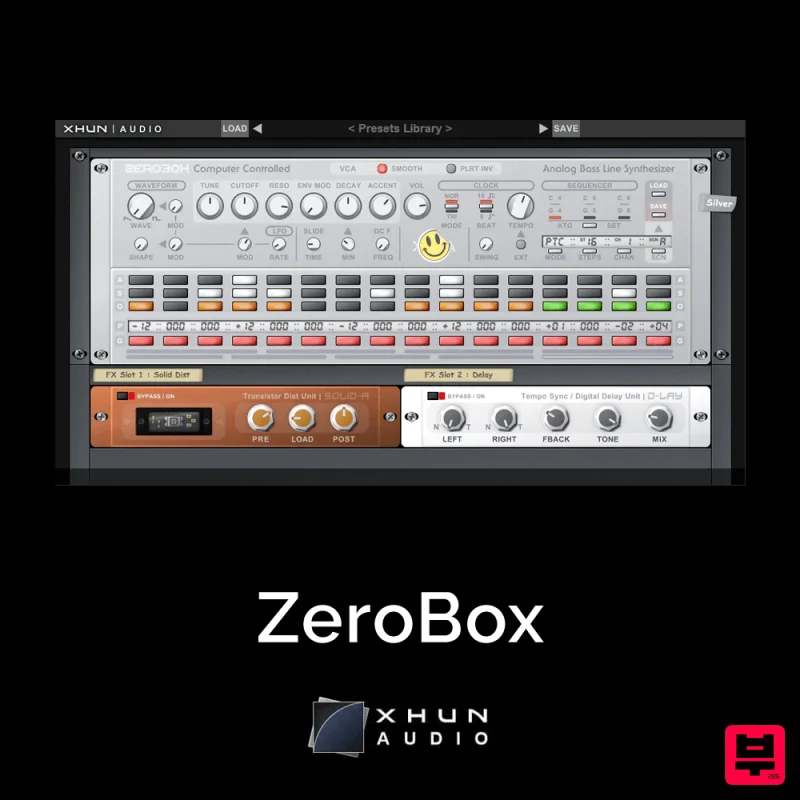
XHUN Audio Xhun ZeroBox
- • Low CPU usage for vintage emulation
- • Unique squelchy resonant character
- • Step sequencer for authentic programming
- • Very specific genre application
- • Limited tonal range by design
- • Not suited for mainstream genres
How to Choose the Best 303
Sound Fidelity
Measures how accurately the plugin reproduces the classic 303 sound, including filter resonance, envelope response, and saturation. This is paramount for genre authenticity.
Modulation Depth
Assesses the complexity and range of modulation controls available, such as LFOs, envelopes, and external modulation sources. Deeper modulation allows for more expressive sound design.
Patch Stability
Evaluates how reliably the plugin maintains complex patches and settings across sessions. Stable patches are essential for professional, long-form production.
Interface & Workflow
Focuses on the usability of the UI, knob placement, and overall workflow within the DAW. An intuitive interface speeds up creative experimentation.
Compatibility & Updates
Examines the plugin's compatibility with major DAWs and the frequency of updates and support. Future-proofing your investment is key.
Buying Guide
When selecting a 303 VST, prioritize plugins that offer unique sonic signatures rather than just replicating a standard sound. Look for plugins with deep modulation controls and robust patch saving features to facilitate complex sound design. My expert tip: always test the plugin with complex modulation setups (e.g., LFOs synced to envelopes) to ensure it handles dynamic, evolving sounds without artifacts.
Our Methodology
We evaluated plugins based on sound fidelity, ease of use, modulation depth, and compatibility with modern DAWs. Testing involved scrutinizing the response to various modulation sources, patch stability, and the quality of the filter sweep and envelope interaction. The ranking prioritized unique sonic character and professional usability over simple feature lists.

