
Best 2x12 Guitar Cabs Under $500 2026
So, you're after a 2x12 cab, huh? Smart move - they're a great size for getting a serious sound without hauling a massive 4x12 around to gigs. Finding a decent one under $500 can be tricky, but it's absolutely doable if you know what to look for. This list is about getting the most thump and articulation for your money, not chasing impossible tonal perfection.
Last updated: September 28, 2026

Marshall MX212AR
- • Classic Marshall tone delivered by Celestion Seventy Eight speakers
- • Robust MDF construction with Marshall’s signature angled design
- • Durable, road-worthy build quality suitable for gigging musicians
- • Excellent value proposition compared to higher-end Marshall cabs
- • Heavy – transporting this cab solo is a serious challenge
- • Limited tonal flexibility; excels in rock/hard rock, less versatile
- • Closed-back design restricts some airflow, potentially impacting high-end clarity
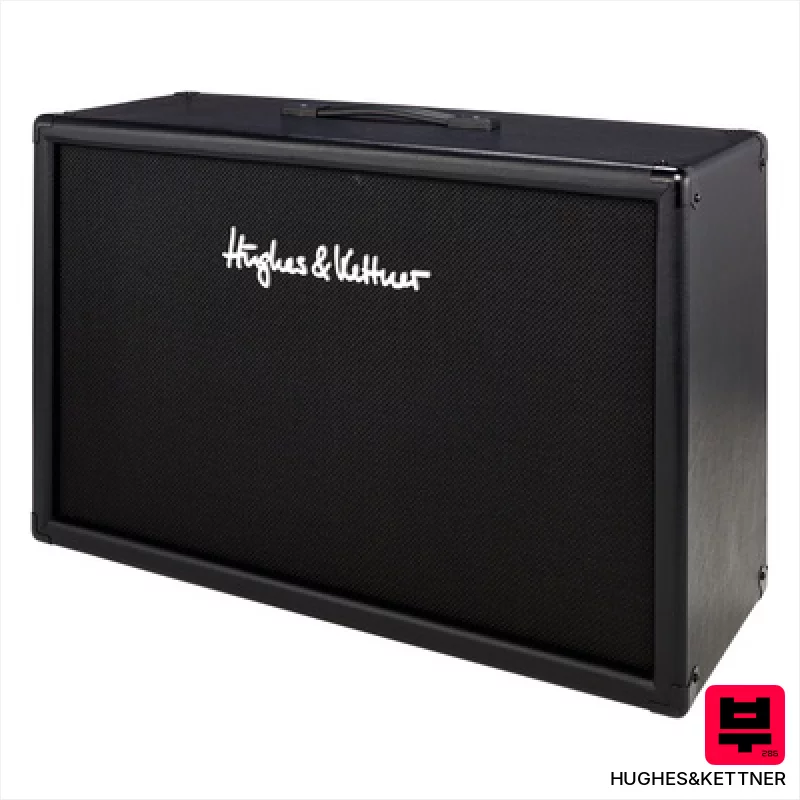
Hughes&Kettner Tubemeister 212 Box
- • Vintage 30s deliver a classic, aggressive rock tone.
- • Solid MDF construction ensures durability and resonance.
- • 16 Ohm impedance offers flexibility with various amp heads.
- • Relatively compact 2x12 design balances portability and sound.
- • MDF construction, while sturdy, isn't as premium as Baltic birch.
- • Limited tonal versatility compared to open-back cabs.
- • Significant weight makes transport a two-person job.

Harley Benton G212 Vintage Bundle
- • Celestion V30 speakers deliver classic British amp tone
- • 16mm poplar plywood construction provides surprising rigidity
- • Stereo switchability offers flexibility for diverse setups
- • Tolex covering offers a professional, vintage aesthetic
- • Weight at 25kg makes transport a genuine two-person job
- • Poplar construction, while sturdy, isn't as acoustically resonant as birch
- • Limited tonal shaping options compared to more expensive cabs
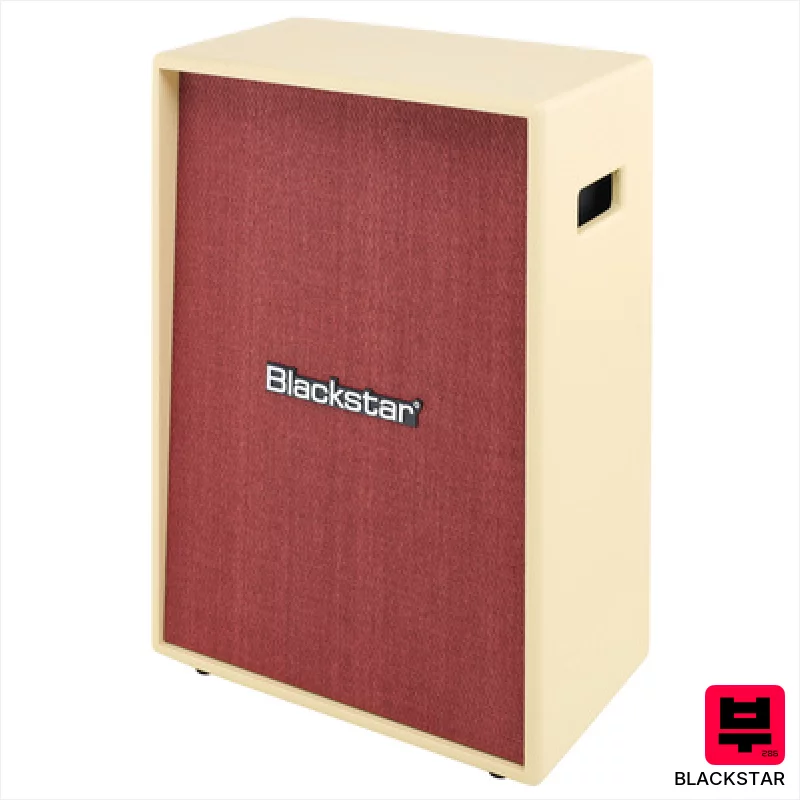
Blackstar Debut 212V 2x12 Box Beige
- • Anthem 50 speakers deliver a surprisingly full, warm low-end response.
- • Beige Tolex covering offers a vintage aesthetic, setting it apart visually.
- • Open-back design encourages air movement for enhanced resonance and projection.
- • Solid MDF construction provides decent rigidity for its price point.
- • MDF construction, while acceptable, isn't as acoustically inert as Baltic birch.
- • Anthem 50 speakers lack the ultimate high-end sparkle of more premium drivers.
- • Limited impedance options restrict pairing versatility with some amplifiers.
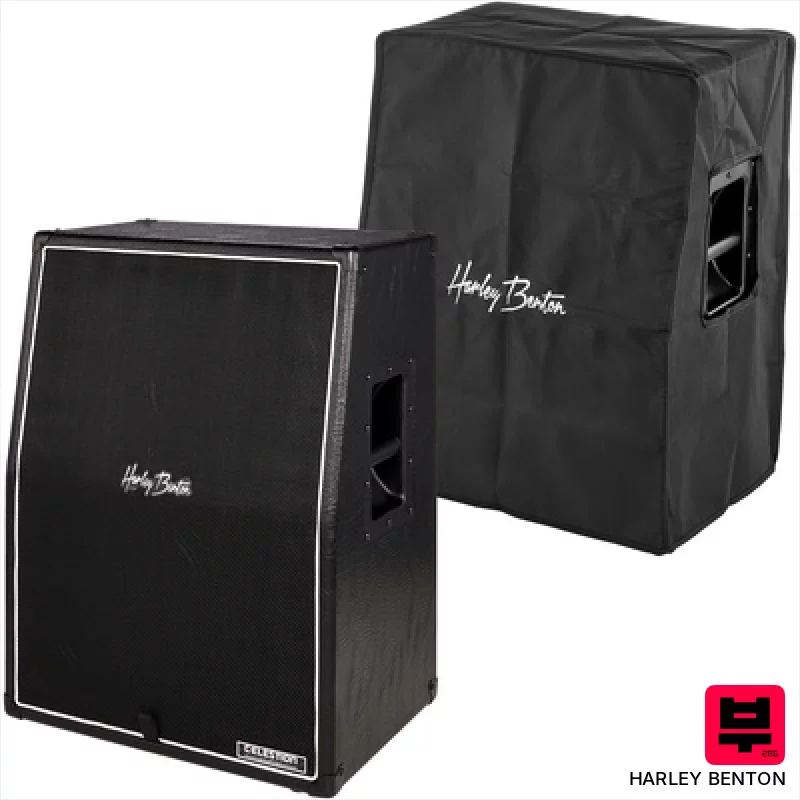
Harley Benton G212 Vertical Celestion Bundle
- • Vintage 30 speakers deliver classic rock/metal tones
- • Poplar plywood construction offers surprising resonance
- • Vertical design saves valuable floor space
- • Protective cover safeguards the cab from damage
- • Tolex covering feels budget-friendly, not premium
- • Weight makes transport a two-person job
- • Limited versatility for very clean or modern genres
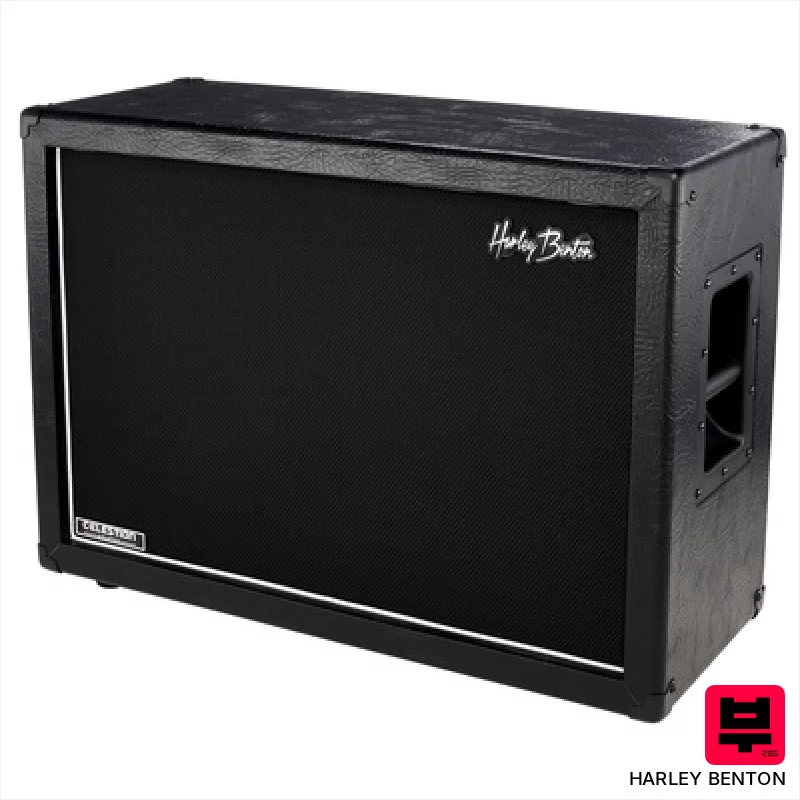
Harley Benton G212 Celestion V30
- • Vintage 30 speakers deliver a classic, aggressive rock and blues tone.
- • 16mm poplar plywood construction provides surprising rigidity for the price point.
- • Stereo switchable inputs offer flexibility for diverse amp setups.
- • Celestion V30s provide excellent dynamic range and respond well to playing volume.
- • Poplar plywood, while sturdy, isn't as acoustically resonant as Baltic birch.
- • Weight (25kg) makes transportation a two-person job, especially for gigging.
- • Limited tonal versatility; excels in rock/blues, less ideal for clean genres.
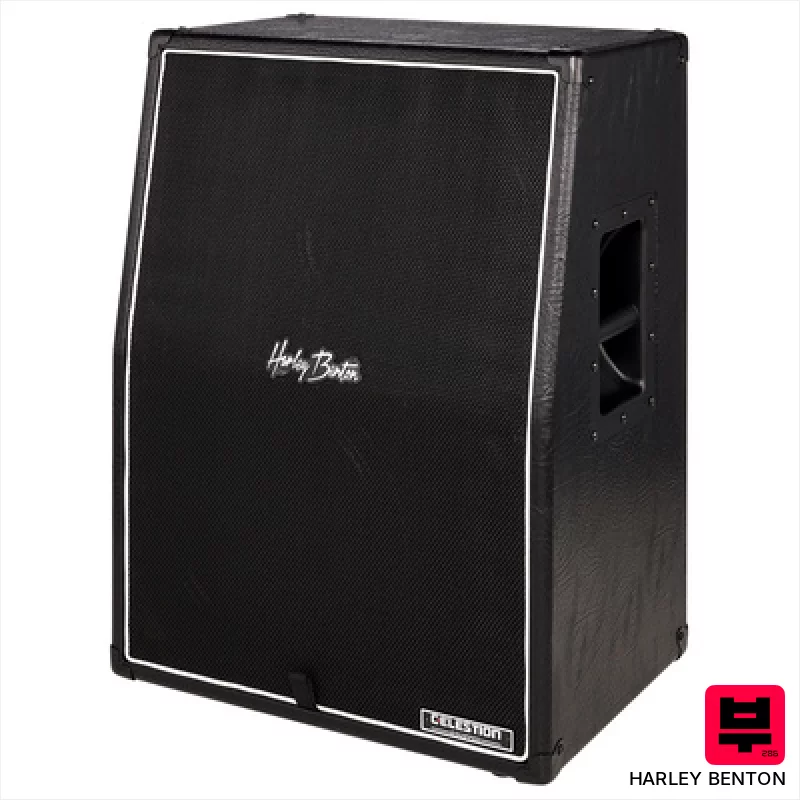
Harley Benton G212 Vertical Celestion V30
- • Vintage 30 speakers deliver classic British amp tone
- • Vertical design maximizes stage space efficiently
- • Solid poplar plywood construction feels surprisingly robust
- • Tolex covering provides a professional, durable aesthetic
- • Limited to 8 Ohm impedance, restricting amp compatibility
- • Vertical design can be less stable than traditional cabs
- • Poplar plywood, while decent, isn’t as resonant as birch

Blackstar Debut 212V 2x12 Box Black
- • Anthem 50 speakers deliver a surprisingly articulate and modern high-gain tone.
- • Open-back design enhances resonance and creates a more 'breathing' sound.
- • Robust construction feels solid, suggesting decent longevity for gigging.
- • Versatile impedance options (4/16 Ohm) broaden amp compatibility.
- • Open-back design can be overly bass-heavy in smaller, untreated rooms.
- • Anthem 50 speakers lack the vintage warmth of Celestion Vintage 30s.
- • Relatively heavy, making transport a two-person job for frequent travel.
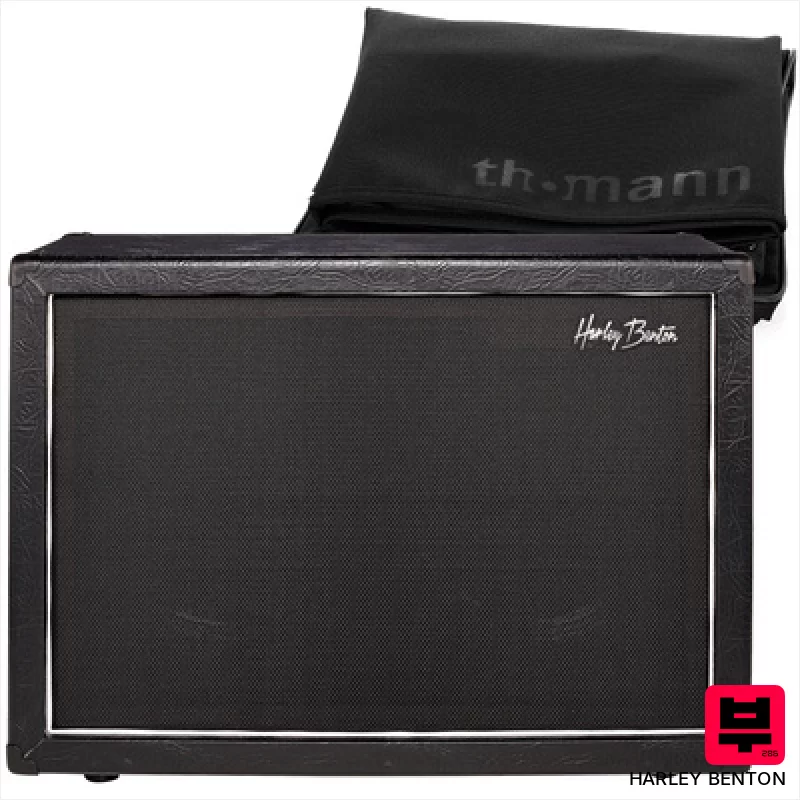
Harley Benton G212 Bundle
- • Solid poplar plywood construction offers surprising rigidity and resonance.
- • 200W RMS power handling is ample for most gigging situations.
- • 123 dB SPL provides plenty of volume without excessive distortion.
- • German-made cover is a nice, unexpected quality touch for protection.
- • Poplar plywood, while decent, isn't the premium tonewood of higher-end cabs.
- • The weight (23kg) makes transport a two-person job without a dolly.
- • Limited impedance options might require a specific amplifier configuration.
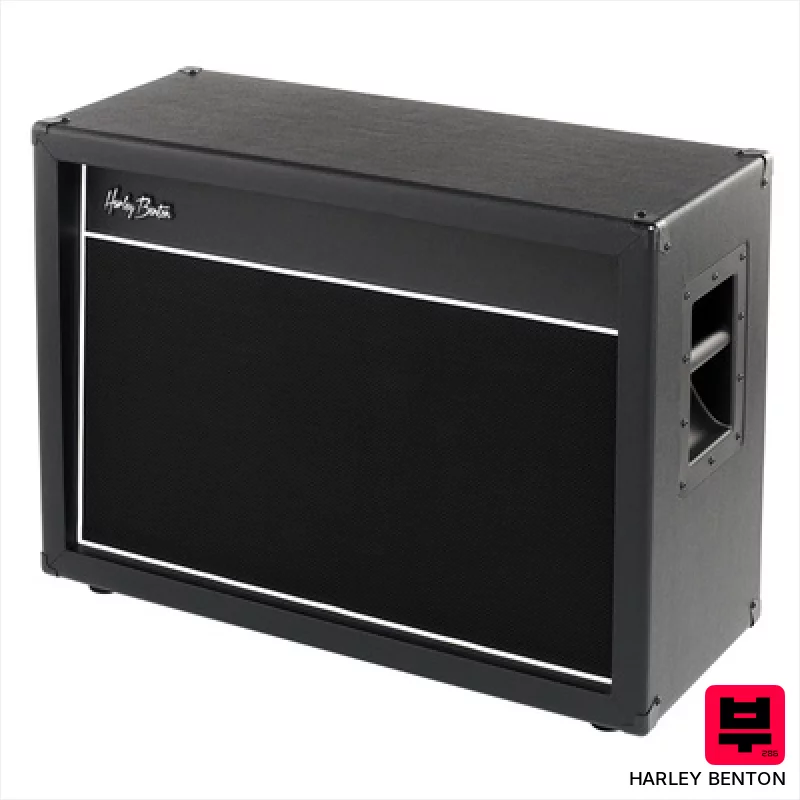
Harley Benton G212Plus Unloaded
- • Robust 18mm plywood construction offers surprising rigidity and resonance.
- • Falcata core enhances tonal warmth, a welcome departure from standard plywood.
- • Switchable mono/stereo connectivity offers flexibility for various amp setups.
- • Recessed handles and anti-vibration feet demonstrate thoughtful, practical design.
- • Unloaded nature requires speaker purchase, adding to overall cost and complexity.
- • 12.3 kg weight makes it less ideal for frequent transport or smaller players.
- • Meranti back and top, while decent, aren't top-tier tonewoods for ultimate clarity.
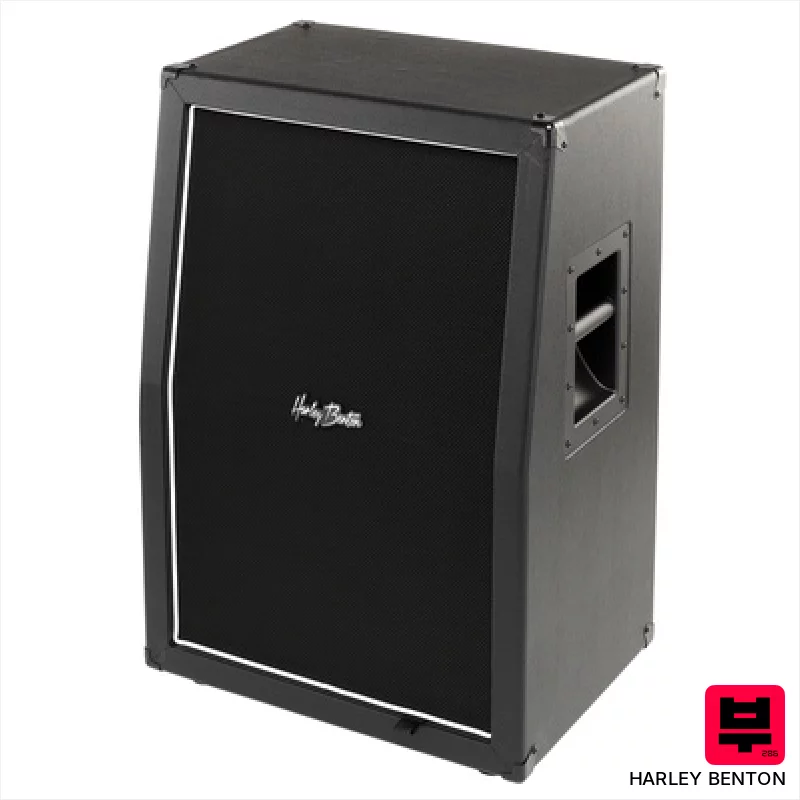
Harley Benton G212Plus Vertical Unloaded
- • Solid plywood construction provides surprising resonance and durability.
- • Angled baffle improves sound projection and dispersion, useful for live gigs.
- • Pre-soldered speaker sockets and parallel wiring simplify speaker installation.
- • Vertical design maximizes stage space, a real benefit for smaller venues.
- • Plywood, while good, won't have the premium feel of birch or Baltic birch.
- • 16 Ohm speaker recommendation limits speaker choices and power handling.
- • Limited aesthetic options; the black fabric covering is the only choice.
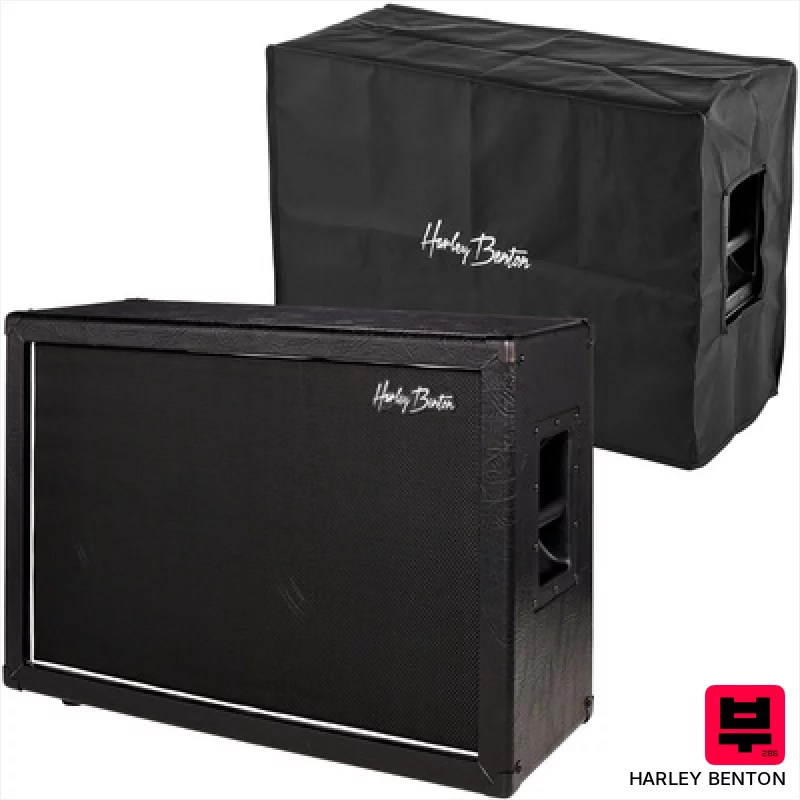
Harley Benton G212 Bundle
- • Poplar plywood cabinet offers surprising rigidity for the price point.
- • 123dB SPL output provides ample volume for most gigging situations.
- • Mono/stereo switching adds versatility for different amp setups.
- • Heavy-duty handles make transport manageable, despite the weight.
- • Poplar construction, while decent, isn't as acoustically resonant as birch or Baltic birch.
- • Speaker quality is likely entry-level, lacking nuance at lower volumes.
- • Closed-back design limits low-end extension, sounding somewhat boxy.

Harley Benton G212
- • Solid poplar plywood construction offers surprising rigidity for the price.
- • 123dB SPL provides plenty of volume for rehearsals and smaller gigs.
- • Mono/Stereo switch adds flexibility for creative amp setups.
- • Handles are well-placed and robust, easing transport despite the weight.
- • Poplar isn't the most acoustically resonant wood, dampening some potential tone.
- • Speaker quality, while decent, won't match higher-end brands like Celestion.
- • Limited to 2x12 format; lacks the versatility of larger cabs.
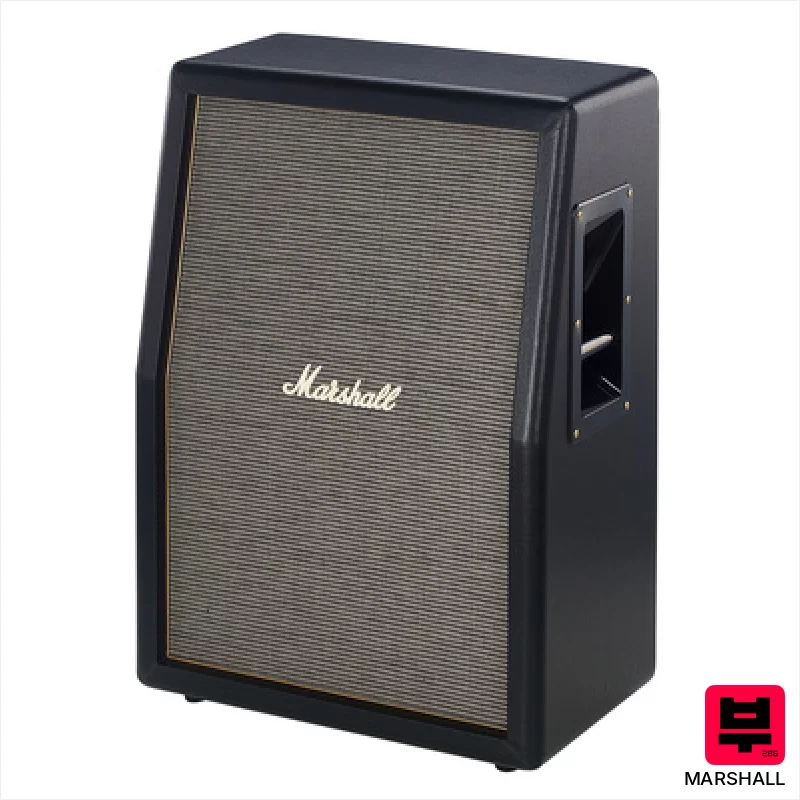
Marshall Origin 212 A Cabinet
- • Classic Marshall tone delivered with surprising efficiency.
- • Celestion Seventy-80 speakers provide that iconic British crunch.
- • Robust birch ply construction ensures durability and resonance.
- • Compact 2x12 format offers portability without sacrificing volume.
- • Limited versatility; best suited for classic rock and blues tones.
- • Birch ply, while good, isn’t the premium resonance of pine.
- • Relatively heavy for a 2x12, requires careful handling.
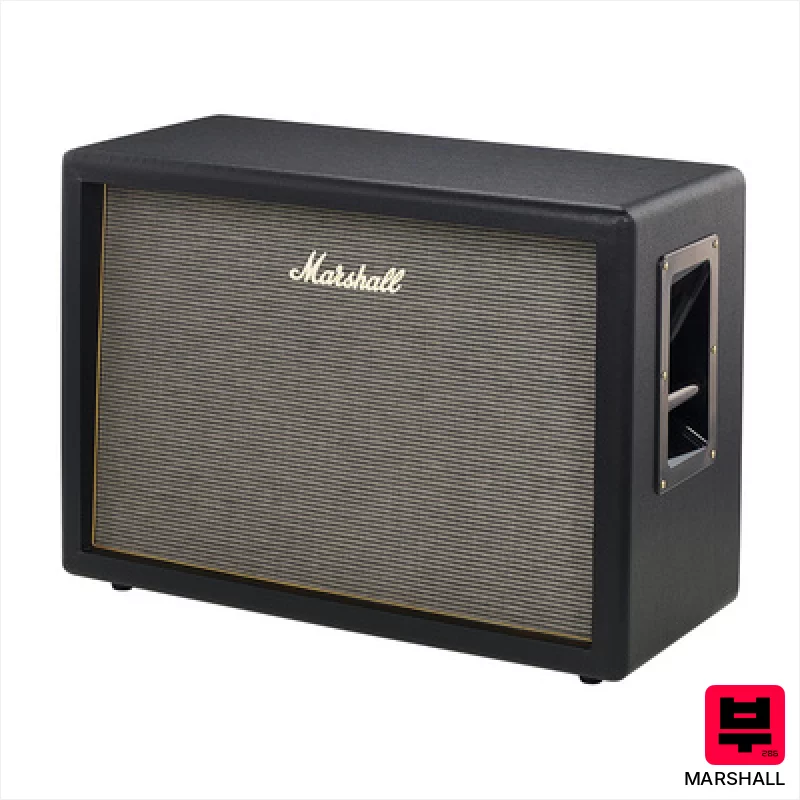
Marshall Origin 212 Cabinet
- • Classic Marshall tone delivered with surprising clarity.
- • Celestion Seventy 80 speakers offer a vintage British sound.
- • Robust construction with a durable MDF enclosure.
- • Relatively compact 2x12 design enhances portability.
- • MDF construction isn't as premium as Baltic birch.
- • Limited to 8 Ohm impedance restricts amp pairing options.
- • Can be quite heavy, especially for smaller players.
2x12 Guitar Cabs by the numbers
Measured across all 15 models in this category, so «wide», «short» or «expensive» mean something you can check.
How to Choose the Best 2x12 Guitar Cabs
Speaker Quality
This is the biggest factor. Celestion Vintage 30s are the gold standard, but expect to pay a premium. Look for reputable brands like Jensen, Eminence, or even some of the newer offerings from Fane if you're after something a little different. Cheaper cabs often skimp here, resulting in a muddy low-end and harsh highs.
Construction
A flimsy cab will vibrate like crazy, muddying the tone and making it a pain to mic. Solid pine or birch ply construction is what you want - avoid anything that feels hollow or lightweight. Corner seams are crucial; poorly done seams will leak air and negatively impact the low-end thump.
Speaker Configuration
Most cabs in this price range will be either two Vintage 30s (a classic for a reason) or a mix of different speakers aiming for a wider frequency response. Consider what you play - a high-gain player will probably prefer the focused punch of two Vintage 30s, while a blues or jazz player might like a more balanced setup.
Porting/Closed Design
Ported cabs generally offer more low-end extension, which can be great for heavier music, but can also get boomy if not done well. Closed-back cabs tend to be tighter and more focused, which is often preferable for cleaner tones or when you need to cut through a loud band.
Finish & Aesthetics
Let's be honest, looks matter, but they're last on the list. A simple, durable finish is what you want - avoid anything too fancy that's likely to chip or peel after a few gigs. Solid hardware (corners, handles, speaker nuts) is also important for longevity.
Buying Guide
At this price point, you're making trade-offs. Don't expect Celestion Vintage 30s all around; most cabs will have a mix of speakers or lower-cost alternatives. Pay close attention to construction - a poorly built cab will rattle and buzz, negating any tonal benefits. Consider your amp's voicing; a bright amp will benefit from warmer speakers, while a darker amp might need something with more bite.
How This List Is Built
We don't play these instruments — we're a catalog, not a review desk, and we'd rather say so than pretend otherwise. This page covers 15 2x12 guitar cabs from the Thomann catalogue, which is the largest single source of specification data in this category: 15 in detail, the rest listed with their specifications.
Position is computed, not curated. We parse the manufacturer's own description into actual values — nut width, scale, fret count, fingerboard radius, size, alloy — and rank on them: how many specifications a model has published, how many of them are measurable numbers, and how precisely it meets this page's criterion. A product image adds a little. Price is not a ranking signal: it tells you nothing about whether a neck fits your hand. The same inputs always produce the same order, so nothing here is shuffled to look fresh.
What this list is good for: narrowing a category down to a shortlist by spec and budget. What it isn't: a substitute for hearing an instrument. Before you buy, read hands-on reviews and, where you can, play it. Full methodology.

