
Best 2x10 Bass Cabs for Medium Venues 2026
So, you're playing medium venues - think clubs, pubs, maybe a decent-sized bar, and you're looking for a 2x10 bass cab. They're a sweet spot, aren't they? Enough low-end thump for some serious groove, but still manageable weight and size for loading in and out. Let's break down the best options for getting that articulate, defined bass tone you need to cut through the mix without sounding like a muddy mess.
Last updated: July 22, 2026 • Next update: July 29, 2026
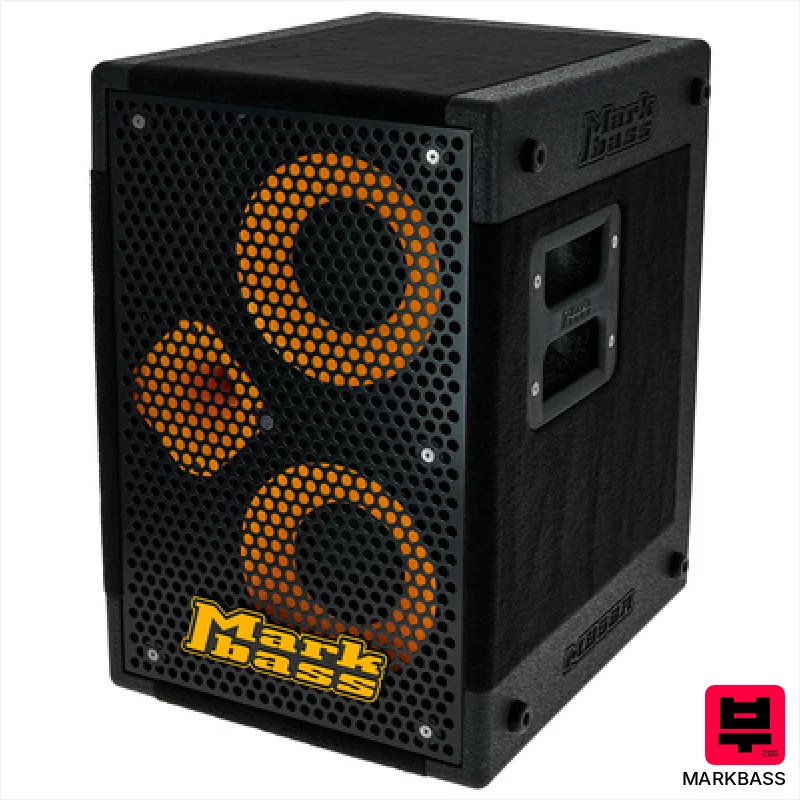
Markbass MB58R 102 Energy Box 4
- • Neodymium drivers deliver tight, articulate low-end response and impressive power.
- • The 1” HF compression tweeter provides crisp highs without harshness, a Markbass signature.
- • Biodegradable housing reflects a commitment to sustainable manufacturing practices.
- • Italian craftsmanship ensures robust construction and excellent long-term durability.
- • The compact size limits low-frequency extension; not ideal for extreme sub-bass.
- • 9.8kg isn't featherlight; transport can be a challenge for solo performers.
- • The 4-ohm impedance requires careful amp matching to avoid power loss.
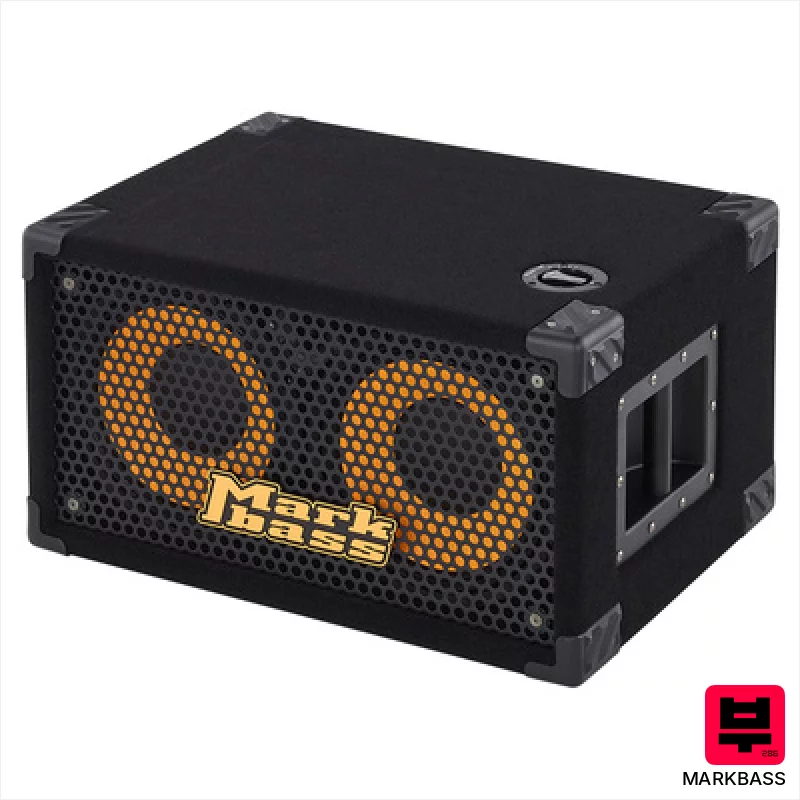
Markbass Traveler 102P - 4Ohm
- • Neodymium speakers deliver surprising power and low-frequency extension.
- • Adjustable tweeter allows for tailored high-end clarity and presence.
- • Compact design and relatively light weight for a 2x10 cab.
- • Bass reflex port enhances low-end response and overall efficiency.
- • 4 Ohm impedance limits amp head options and potential power efficiency.
- • Construction feels a little less robust than some higher-end Markbass cabs.
- • Piezo tweeter can sound a bit harsh if not carefully adjusted.
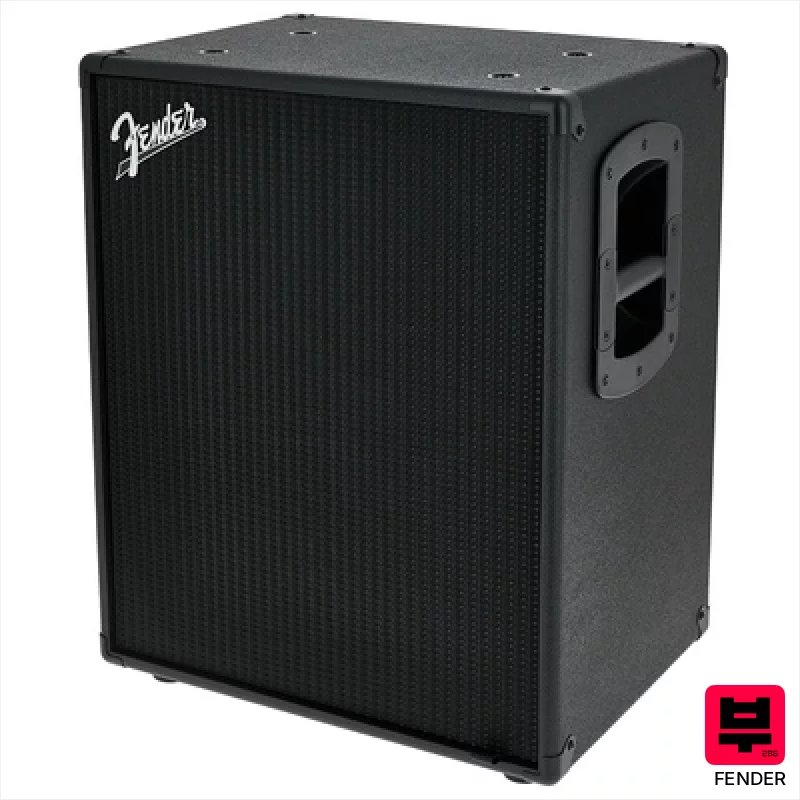
Fender Rumble 210 Cabinet BLK
- • Eminence speakers deliver a surprisingly full, warm, and articulate low-end.
- • Robust construction with a durable MDF cabinet – feels solid and reliable.
- • 700W power handling provides plenty of headroom for gigging situations.
- • Speaker twist output offers flexible positioning and aiming options.
- • Lacks a tweeter for extended high-frequency response – may feel limited.
- • 2x10 configuration isn't ideal for extremely low-tuned instruments.
- • Weight, while manageable, makes transport a bit cumbersome for solo players.
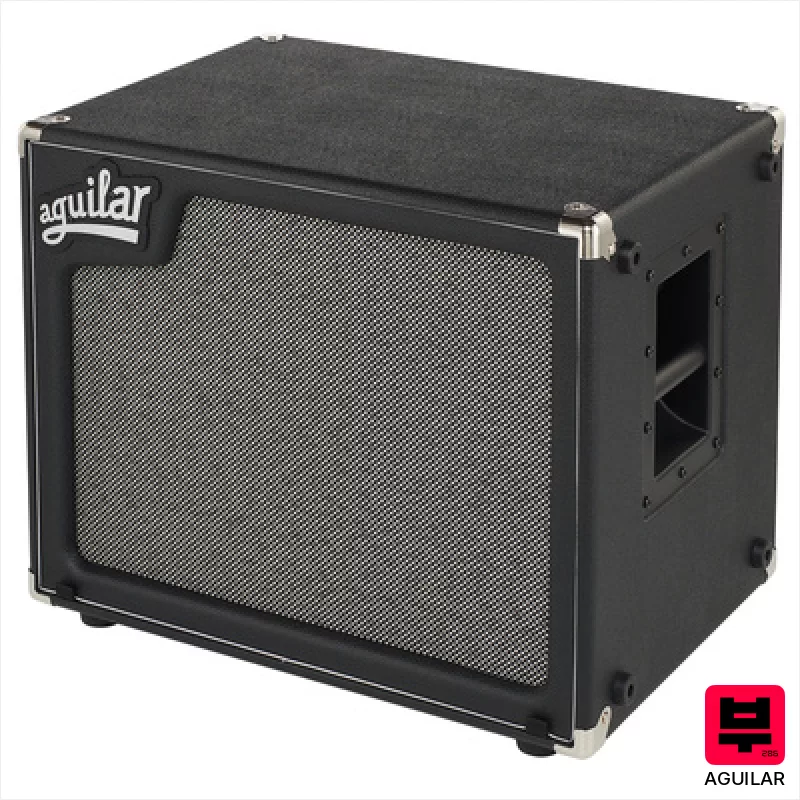
Aguilar SL 210 - 8 Ohms
- • Neodymium speakers deliver exceptional low-end extension and clarity.
- • Phenolic tweeter provides articulate highs without harshness or fatigue.
- • Robust birch ply construction ensures durability for gigging and touring.
- • Integrated phase plug minimizes unwanted cancellations for a tighter sound.
- • Relatively heavy for a 2x10, making transport a consideration for solo players.
- • Limited low-frequency extension compared to larger cabs; not ideal for extreme sub-bass.
- • Premium-priced, representing a significant investment for many bassists.

Markbass MB58R 102 P Box 8
- • Excellent ceramic speaker clarity with surprising warmth.
- • Piezo tweeter adds crisp articulation for modern styles.
- • Biodegradable housing demonstrates commitment to sustainability.
- • Italian craftsmanship ensures robust build and lasting reliability.
- • Ceramic speakers can lack the 'vintage' feel of alnico options.
- • Relatively heavy for a 2x10, portability will be a factor.
- • 8 Ohm impedance limits pairing options with some smaller amps.
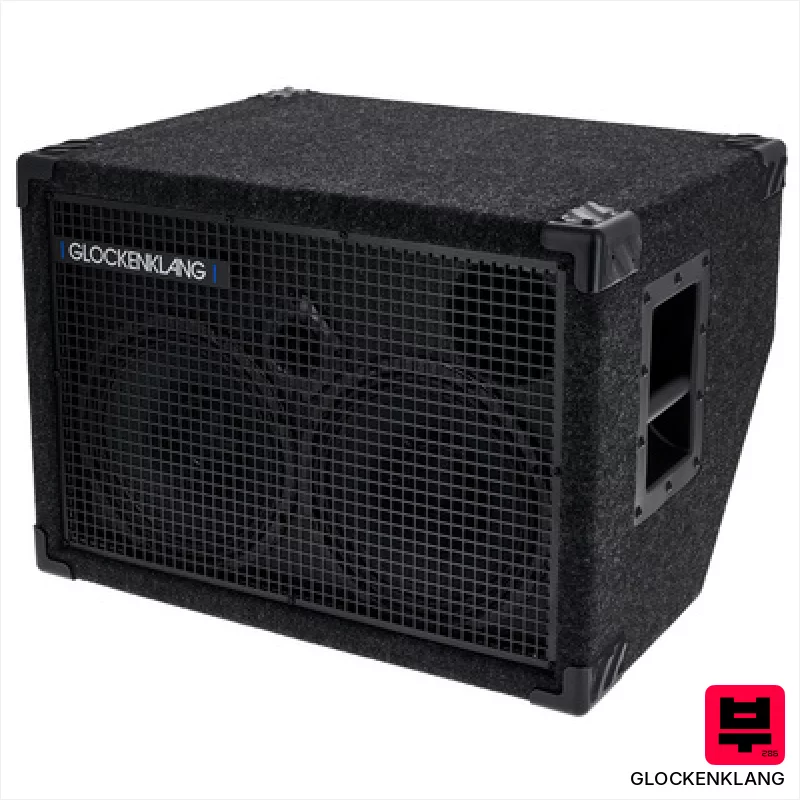
Glockenklang Duo Wedge Light Neo 2x10" 8Ohm
- • Excellent wedge design optimizes stage monitoring and projection.
- • Neo speakers deliver surprising clarity and tight low-end response.
- • Horn extension provides crisp highs and cuts through a band mix.
- • Relatively lightweight for a 2x10, making transport manageable.
- • 8 Ohm impedance limits amp choices and power efficiency.
- • Limited low-frequency extension compared to larger cabinets.
- • The wedge design might not suit all playing styles or stage setups.
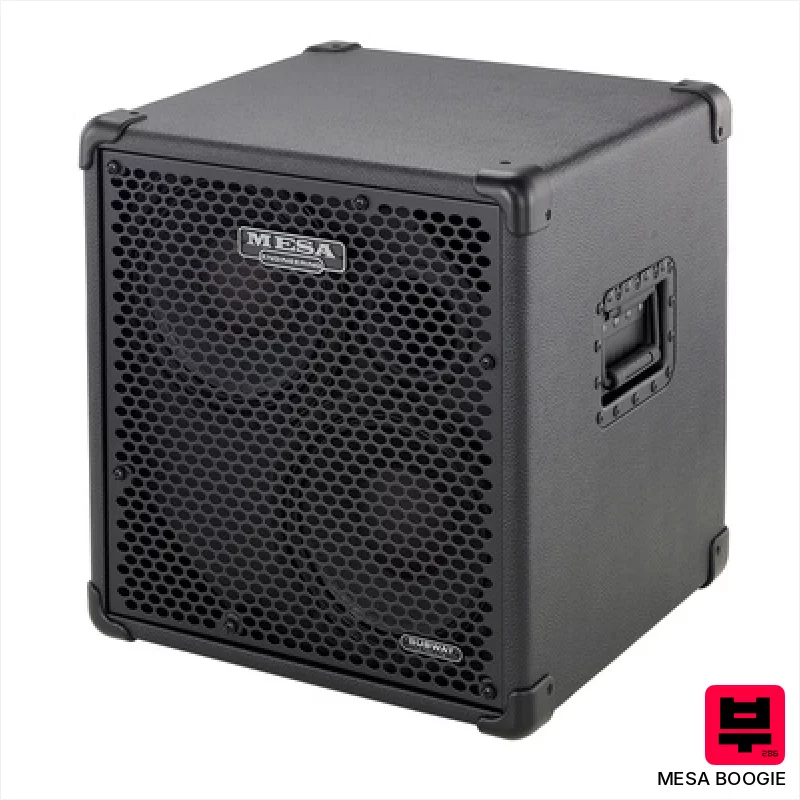
Mesa Boogie Subway 2x10 Ultra-Lite
- • Neodymium speakers deliver surprising punch and clarity for a 2x10.
- • Italian poplar plywood construction offers a light yet robust build.
- • Adjustable horn provides tonal flexibility for live and studio use.
- • Tri-port design enhances low-end extension without excessive muddiness.
- • Limited headroom compared to larger cabinets; best for moderate volumes.
- • High-frequency horn might be too bright for some players’ preferences.
- • Premium-priced, making it a significant investment for many bassists.
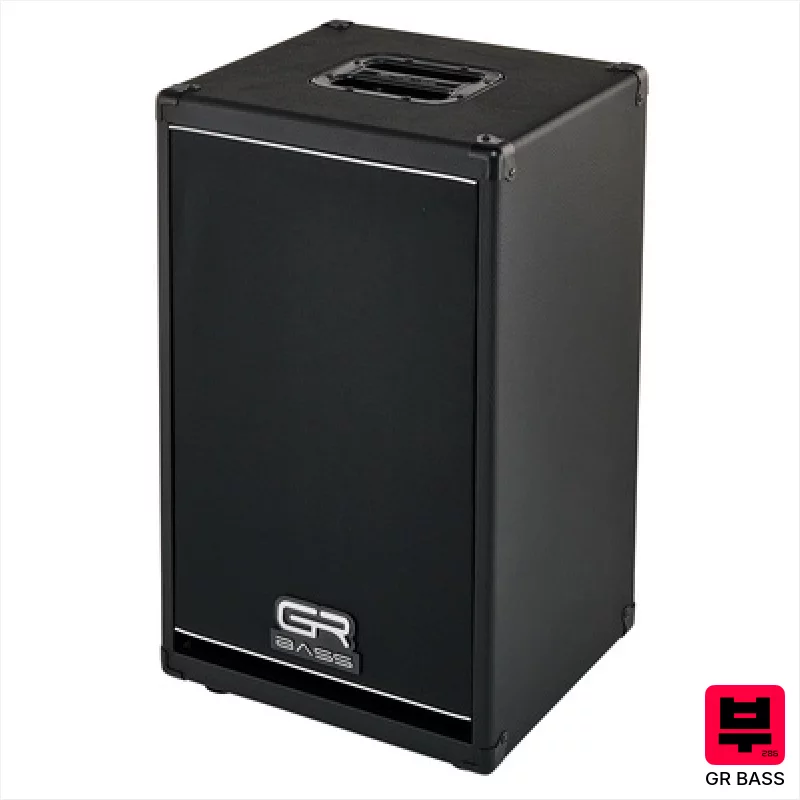
GR Bass GR210V/4
- • Jensen/Sica drivers deliver a remarkably tight and articulate low-end.
- • Birch plywood construction ensures excellent resonance and durability.
- • The integrated tweeter adds clarity and definition to higher frequencies.
- • Rear bass reflex port enhances low-frequency extension and overall volume.
- • At 13.1 kg, it’s noticeably heavy for frequent transport.
- • The 4-ohm impedance may require careful amplifier matching.
- • The tonal character leans towards a modern, clean sound; vintage warmth is limited.
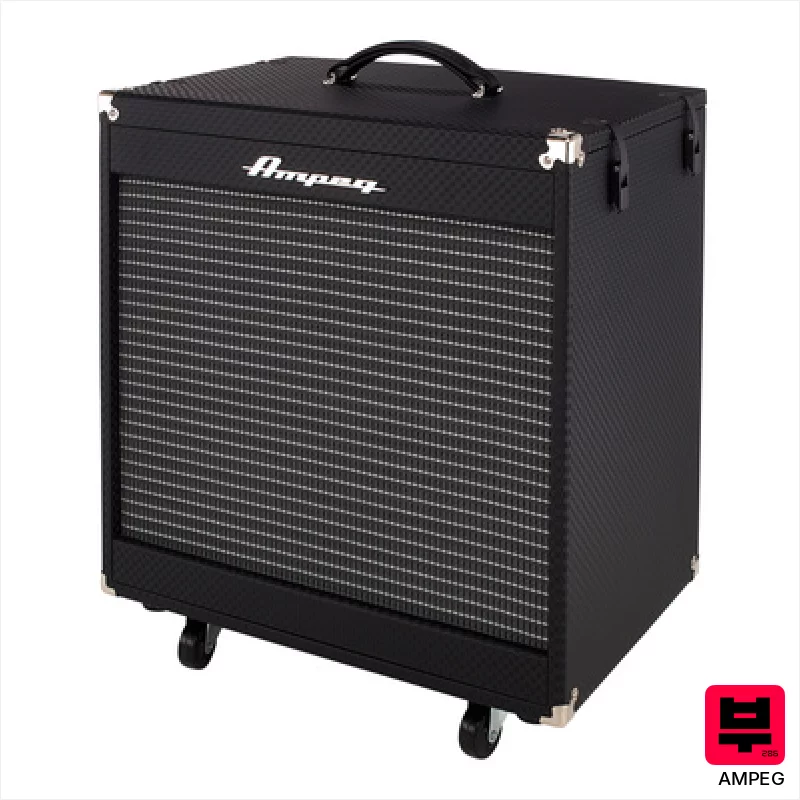
Ampeg PF-210HE Portaflex
- • Eminence speakers deliver a classic Ampeg low-end warmth and clarity.
- • Vintage Portaflex design offers excellent portability and stage presence.
- • Black Diamond Tolex provides a durable and attractive vintage aesthetic.
- • HF compression driver adds crisp highs, cutting through the mix well.
- • Weight makes it less ideal for frequent gigging or solo artists.
- • Limited to 2x10 configuration restricts low-frequency extension for some.
- • Tweeter volume control lacks finer adjustment for precise high-end shaping.
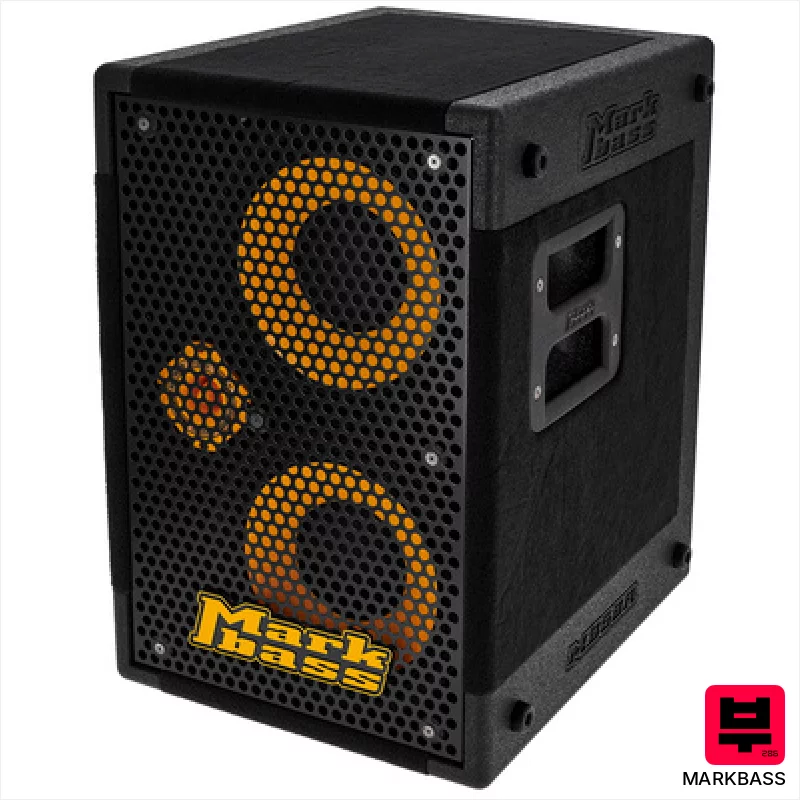
Markbass MB58R 102 Pure Box 8
- • Neodymium speakers offer impressive power-to-weight ratio.
- • Markbass custom speakers deliver a tight, articulate low-end.
- • Biodegradable housing demonstrates a commitment to sustainability.
- • Hi-Fi tweeter adds clarity and air in the upper frequencies.
- • Limited low-frequency extension compared to larger cabs.
- • Can be a bit bright for players preferring a very warm tone.
- • Relatively expensive compared to some other 2x10 options.

EBS Classic-210CL Cabinet
- • Excellent clarity and articulation thanks to the tweeter.
- • Robust birch ply construction provides a solid, resonant platform.
- • The 10” speakers offer a surprisingly full low-end response.
- • Lightweight for a 2x10, making transport manageable.
- • Limited headroom at higher volumes; best suited for smaller gigs.
- • Tweeter can be overly bright with certain amp pairings.
- • 8 Ohm impedance may require an amp with flexible output options.

Ampeg SVT-210AV
- • Eminence speakers deliver Ampeg’s signature warm, punchy low-end.
- • Compact 2x10 design offers portability without sacrificing tonal character.
- • Solid MDF construction ensures durability for gigging and touring.
- • Well-suited for smaller stages and practice, still retaining SVT power.
- • Limited headroom compared to larger SVT cabinets; best for moderate volume.
- • Weight, while manageable, can still be a strain for some players.
- • Lacks a tweeter, potentially limiting high-frequency extension for certain styles.
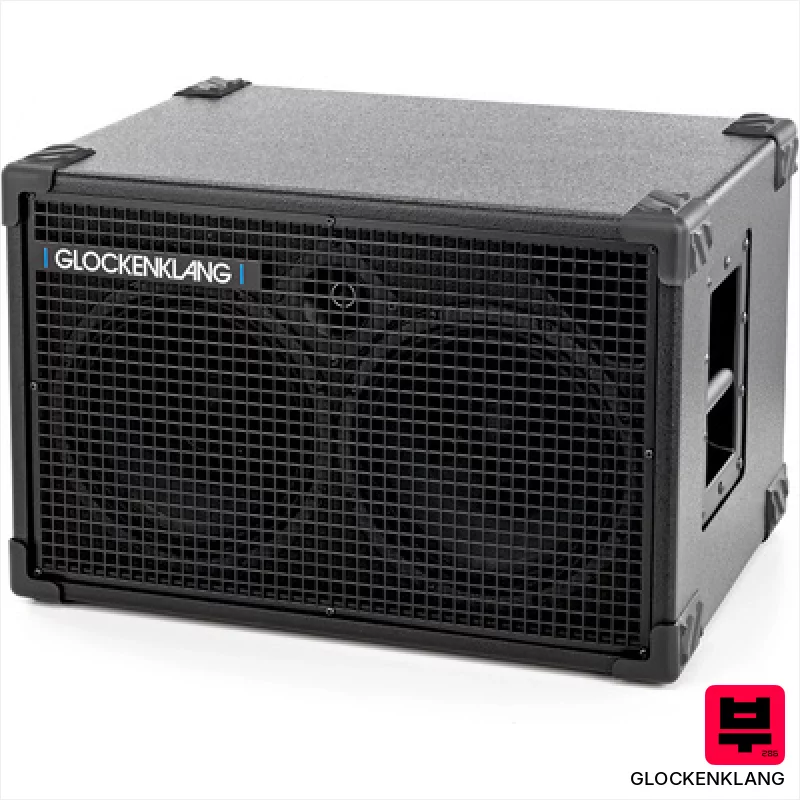
Glockenklang DUO 8 Ohm
- • Solid birch construction provides excellent resonance and durability.
- • Horn tweeter extends high frequencies for a cleaner, more articulate sound.
- • 2x10 design delivers a surprisingly full-bodied low-end response.
- • Handles a good amount of power without excessive weight for its size.
- • Limited low-frequency extension compared to larger cabinets.
- • The horn might be a bit much for very subtle, vintage tones.
- • Portability is impacted by the substantial weight.

Ampeg SVT-210AV Bundle
- • Eminence speakers deliver classic Ampeg tone with surprising clarity
- • Compact 2x10 design offers portability without sacrificing low-end
- • Durable MDF construction ensures road-worthiness and longevity
- • Included cover protects the cabinet from dust and minor bumps
- • 200 Watts is adequate, but may require additional power for larger venues
- • The 2x10 configuration lacks the extreme low-frequency extension of larger cabs
- • Weight, while manageable, still requires two people for easy transport
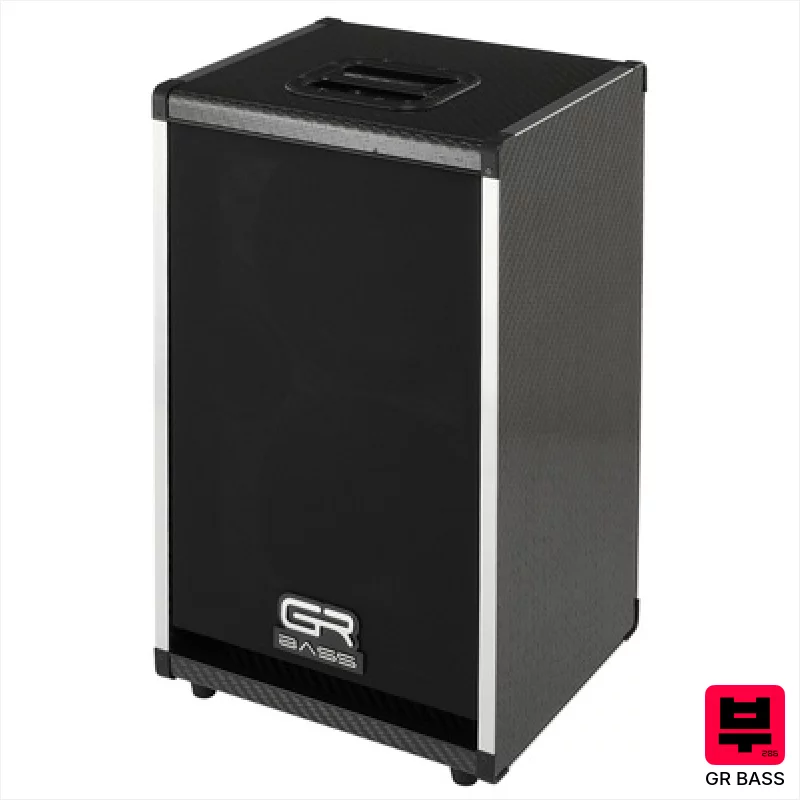
GR Bass AT210V/4
- • Italian craftsmanship delivers exceptional build quality and resonance
- • 3-way design offers a surprisingly wide range of tonal possibilities
- • Compact 2x10 format maximizes portability without sacrificing low-end
- • HF driver adds clarity and articulation for modern bass styles
- • 4 Ohm impedance may require careful amplifier matching
- • Relatively heavy for a 2x10 cab, transport can be a challenge
- • Front-firing port can be susceptible to feedback in certain environments
How to Choose the Best 2x10 Bass Cabs
Low-End Extension
Medium venues often have tricky acoustics. You need a cab that can deliver a solid, fundamental low-end without becoming boomy or losing definition. We're looking for that 'present' low-end, not just a vague rumble.
Midrange Definition
This is where a 2x10 really shines. You need that clarity and articulation to cut through the drums and guitars without getting lost. That fat midrange honk is your friend here.
High-Frequency Response
Too much harshness and you'll be fighting feedback; too little and you'll disappear. The sweet spot is a smooth, detailed top-end that adds sparkle without being ice-picky.
Headroom and Power Handling
Medium venues can get loud. You need a cab that can handle a decent amount of wattage without distorting uncontrollably or sounding thin when pushed. Consider your amp's power output.
Portability and Durability
Let's be honest, you're going to be hauling this thing around. Weight and build quality matter - flimsy plywood corners and a sagging grille aren't going to last long on the road.
Buying Guide
2x10 cabs are often a compromise - you're trading some low-end grunt for portability and articulation. Cheaper cabs often cut corners with thinner plywood and lower-quality drivers, leading to a weaker low-end and a muddier sound. Spending a bit more usually gets you better drivers, a more robust build, and a more refined overall tone. Don't chase the loudest cab; chase the cab that sounds best with your amp and playing style.
Our Methodology
We're not just looking at spec sheets here. We've spent countless hours playing these cabs through various bass rigs, A/B'ing them against other popular options, and, most importantly, putting them through the wringer in real-world gigging scenarios - loud bands, quiet acoustic sets, you name it. It's about how they feel and sound under your fingers, not just what the numbers say.

