
Best 20" Crash Cymbals for Intermediate 2026
So, you're past the beginner stage and looking to upgrade your crash game? A 20" crash is a sweet spot - big enough to get some real volume and wash, but still manageable to control. It's the workhorse crash for a lot of players, but finding one that really sings takes some digging. Let's break down some solid options for the intermediate drummer.
Last updated: September 30, 2026
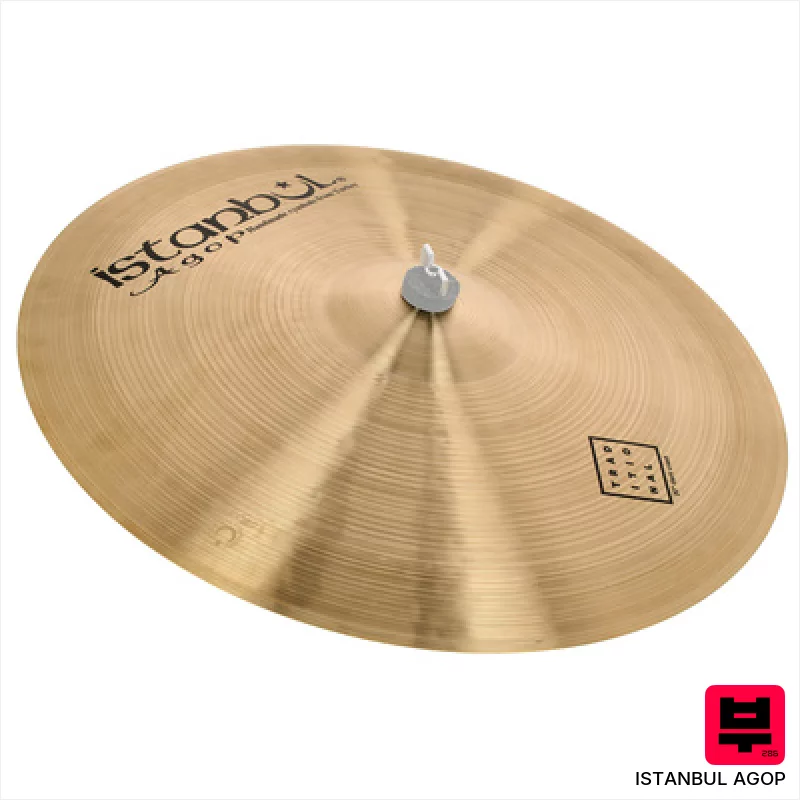
Istanbul Agop 20" Traditional Dark Crash
- • Rich, dark fundamental tone ideal for nuanced dynamics.
- • Hand-hammered lathing creates complex, evolving overtones.
- • B-20 bronze alloy delivers warmth and vintage character.
- • Well-balanced weight provides responsiveness without feeling flimsy.
- • Limited cutting power; not suited for aggressively loud genres.
- • Darker sound may clash with brighter cymbal setups.
- • Premium-priced, representing a significant investment.

Istanbul Agop 20" Traditional Thin Crash
- • B20 bronze delivers a complex, warm, and musical fundamental tone.
- • Hand-hammering creates a responsive wash and shimmering overtone complexity.
- • Thin profile allows for a very fast attack and expressive dynamic range.
- • Traditional series construction ensures exceptional durability and longevity.
- • Dark sound may not suit brighter musical styles like metal or funk.
- • Thinness makes it potentially vulnerable to cracking with aggressive playing.
- • Premium-priced, representing a significant investment for many drummers.
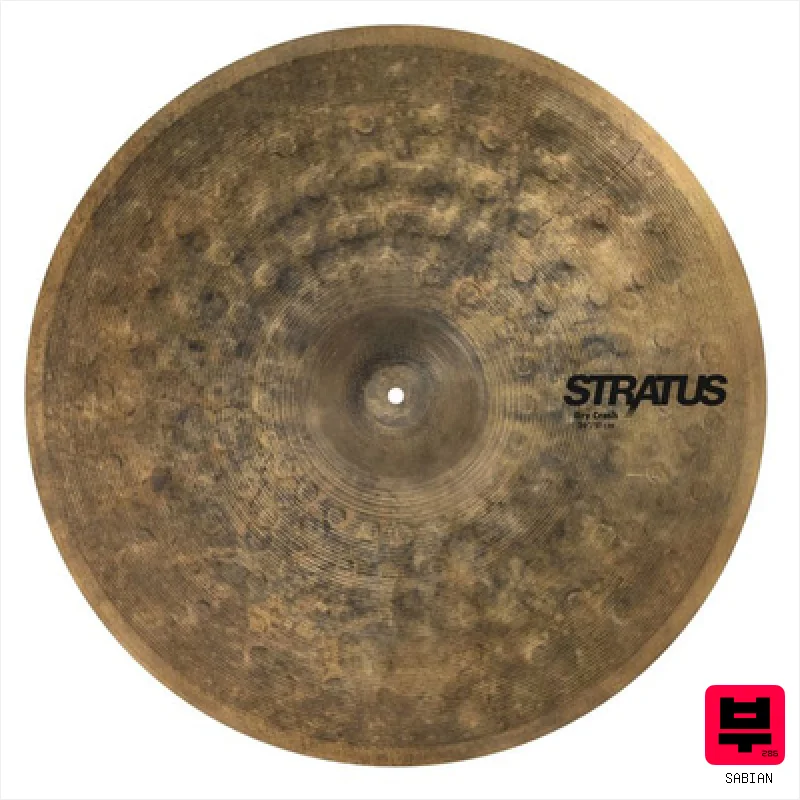
Sabian 20" Stratus Dry Crash
- • Strong attack delivers immediate response
- • Controlled decay keeps time tight
- • Warm tone adds musical depth
- • Dry sound cuts through the mix
- • Raw top finish may need care
- • Traditional bottom finish is standard only
- • No specific weight data provided
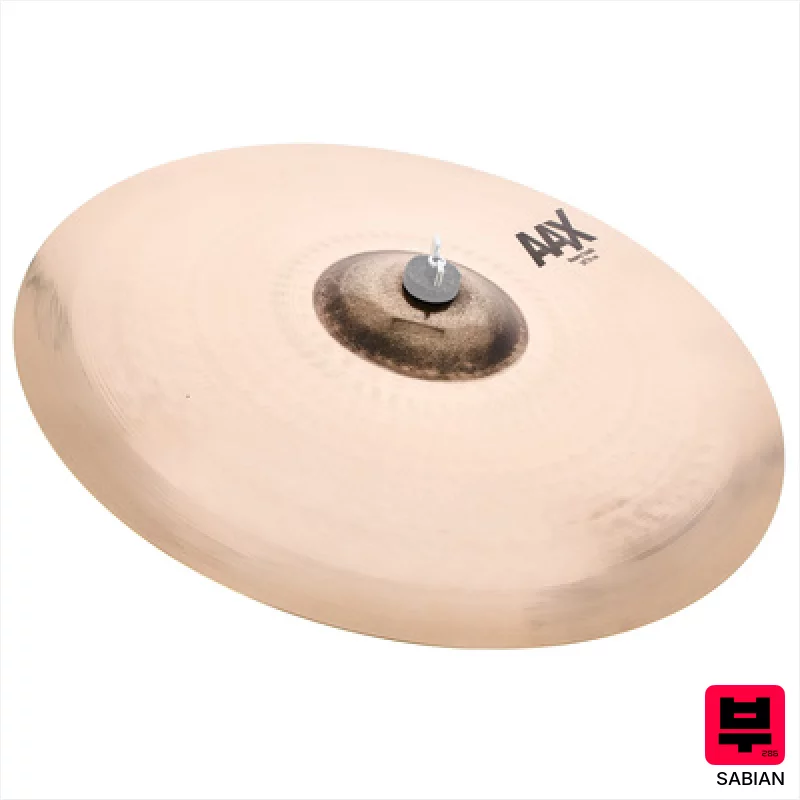
Sabian 20" AAX Heavy Crash
- • Bright, cutting sound cuts through dense mixes effectively
- • B20 bronze provides a complex, warm undertone despite the brightness
- • Heavy weight offers substantial sustain and a powerful initial attack
- • Slightly larger bell delivers a focused, articulate wash
- • The bright character may not suit softer, more nuanced musical styles
- • Premium-priced, a significant investment for many drummers
- • Heavy weight can be fatiguing in longer playing sessions
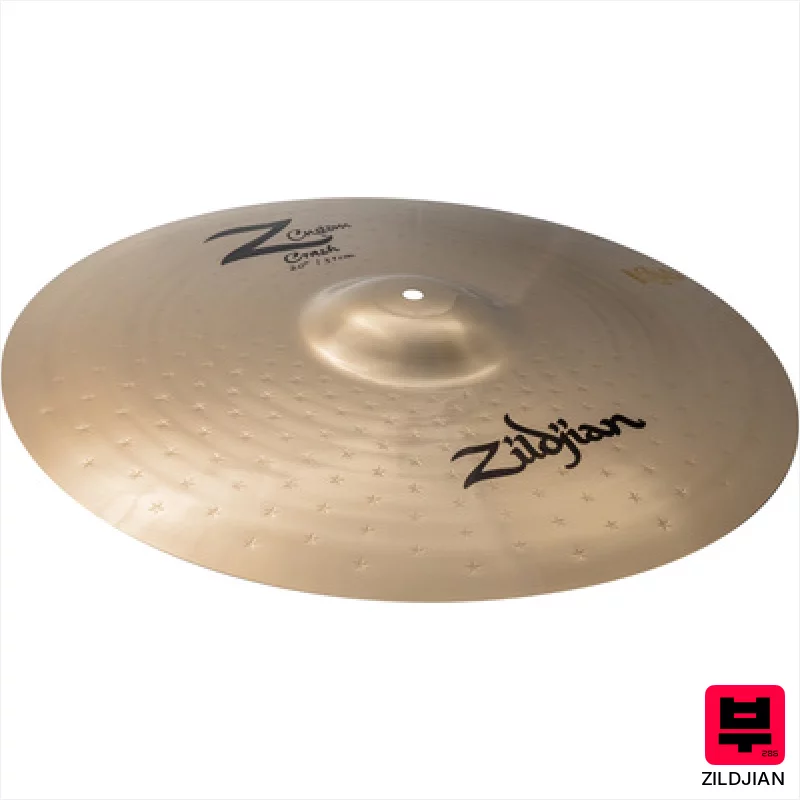
Zildjian 20" Z Custom Crash
- • Brilliant finish enhances stage presence and reflects light beautifully.
- • The slightly thinner profile provides a quicker response and more immediate attack.
- • Original star pattern hammering contributes to a complex, shimmering decay.
- • Zildjian's B20 bronze alloy delivers a focused, bright, and cutting sound.
- • The bright sound might be overwhelming for players seeking a darker, warmer tone.
- • Its explosive nature isn't ideal for very subtle, nuanced musical passages.
- • The brilliant finish is susceptible to finger marks and requires more cleaning.
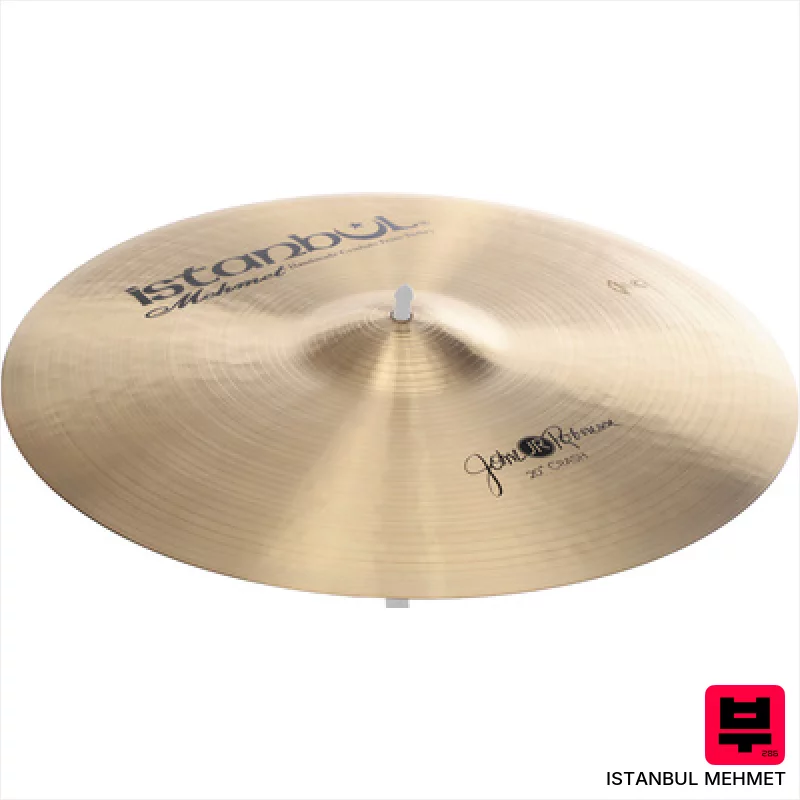
Istanbul Mehmet 20" John Robinson Crash
- • B20 bronze alloy delivers a complex, nuanced vintage character.
- • Fast attack and controlled decay offer excellent responsiveness and musicality.
- • Natural lathed finish enhances stick definition and provides a warm aesthetic.
- • John Robinson’s signature voicing sits beautifully in a wide range of musical contexts.
- • The darker tonality might be limiting for players needing a bright, cutting crash.
- • Premium-priced, representing a significant investment for many drummers.
- • Relatively heavy for a 20” crash, potentially fatiguing in extended playing.

Istanbul Mehmet 20" Crash Samatya Series
- • Beautiful, dark wash enhances tonal complexity and visual appeal
- • Fast, responsive stick definition ideal for modern playing styles
- • B20 bronze alloy delivers warm lows with bright, shimmering overtones
- • Well-latted construction ensures durability and consistent performance
- • Samatya series lacks the wash of more expensive Mehmet lines
- • Brilliant finish shows stick marks easily, requiring more upkeep
- • May be too dark for players seeking a very bright, cutting crash

Istanbul Mehmet 20" Legend Dry Crash-Ride
- • B20 bronze delivers a complex, nuanced, and warm tonal palette.
- • Hand-hammering creates a uniquely responsive and articulate feel.
- • Dry character cuts through dense mixes without excessive wash.
- • Compact 20-inch size offers excellent control and maneuverability.
- • The dry nature limits wash and shimmering sustain for some styles.
- • The crash-ride designation makes it a compromise, not an excel at either.
- • Higher price point positions it as a premium investment for serious players.
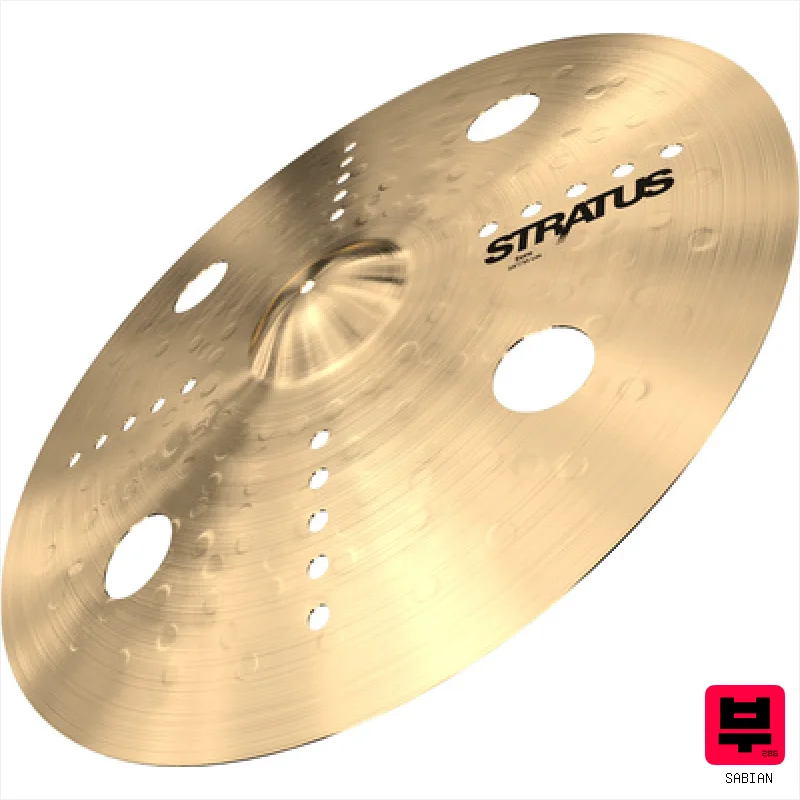
Sabian 20" Stratus Zero
- • B20 bronze gives a bright, cutting crash tone.
- • High impact hammering creates explosive response.
- • O-Zone design adds depth to the sound.
- • Aero perforations add an airy, trashy character.
- • Trashy sound may not suit traditional styles.
- • No specific weight listed for feel.
- • Perforated design can reduce sustain slightly.
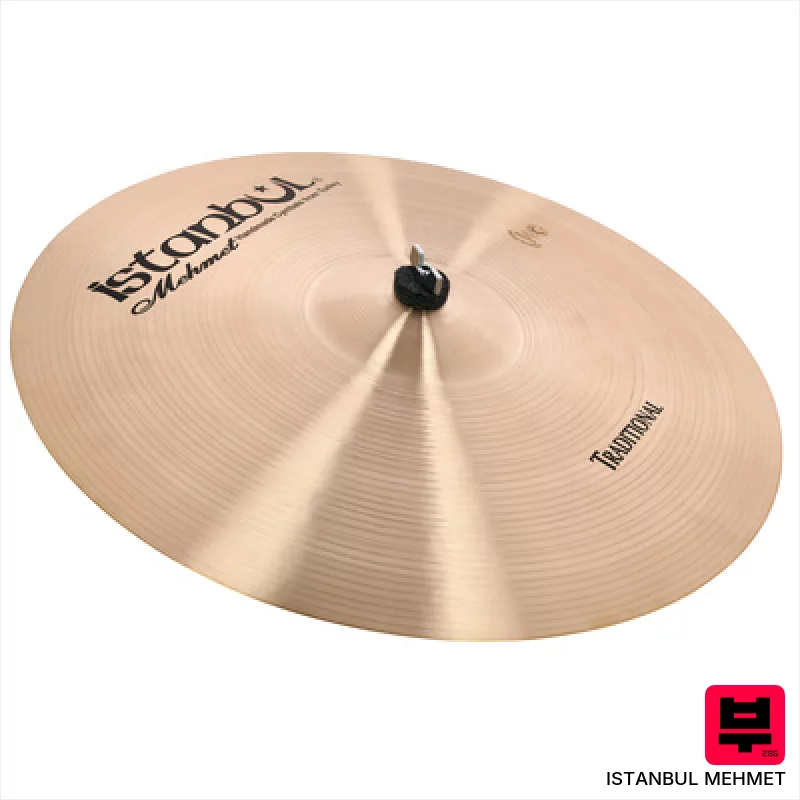
Istanbul Mehmet 20" Thin Crash Traditional
- • Hand-hammered bronze creates a complex, shimmering wash unlike machine-made cymbals.
- • Thin profile delivers incredibly fast response and a short, controlled decay.
- • Traditional hammering pattern provides a warm, vintage tone with excellent articulation.
- • B12 bronze alloy offers a balanced tonal character, avoiding excessive brightness or harshness.
- • Thinness makes it less durable than heavier crash cymbals; prone to cracking with aggressive playing.
- • The vintage voicing might be too mellow for drummers seeking a modern, cutting crash sound.
- • While versatile, excels in quieter genres; may get lost in high-volume, aggressive metal mixes.
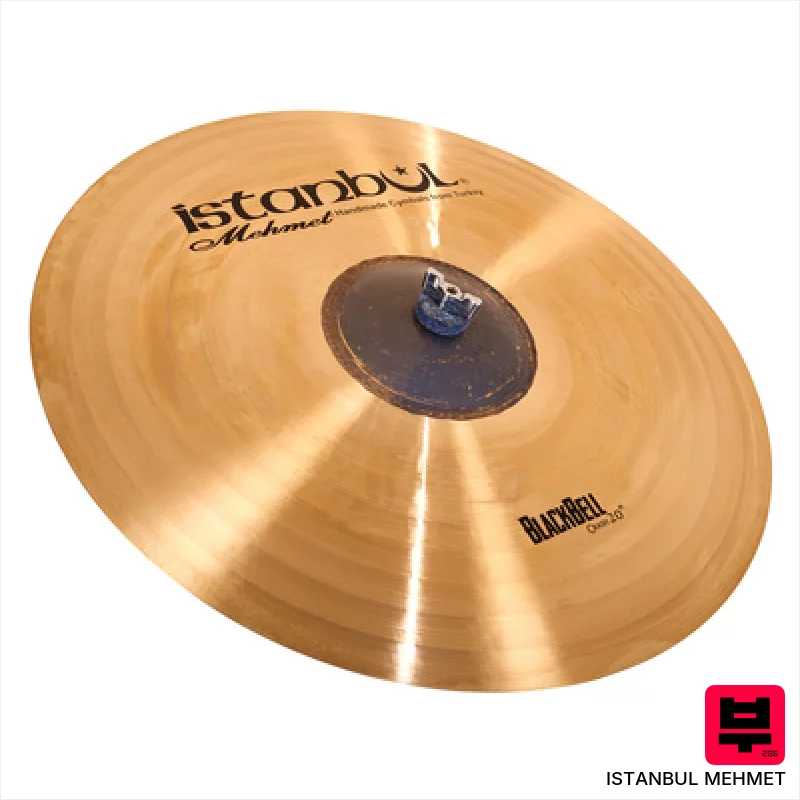
Istanbul Mehmet 20" Black Bell Crash
- • Rich, complex wash with a dark, controlled character
- • Untreated bell delivers a focused, musical tone
- • Solid B20 bronze construction ensures durability and longevity
- • Traditional finish adds vintage aesthetic and nuanced response
- • Can be a bit dark for brighter musical styles
- • Relatively heavy for a 20 inch crash
- • Price point places it in a premium-priced category
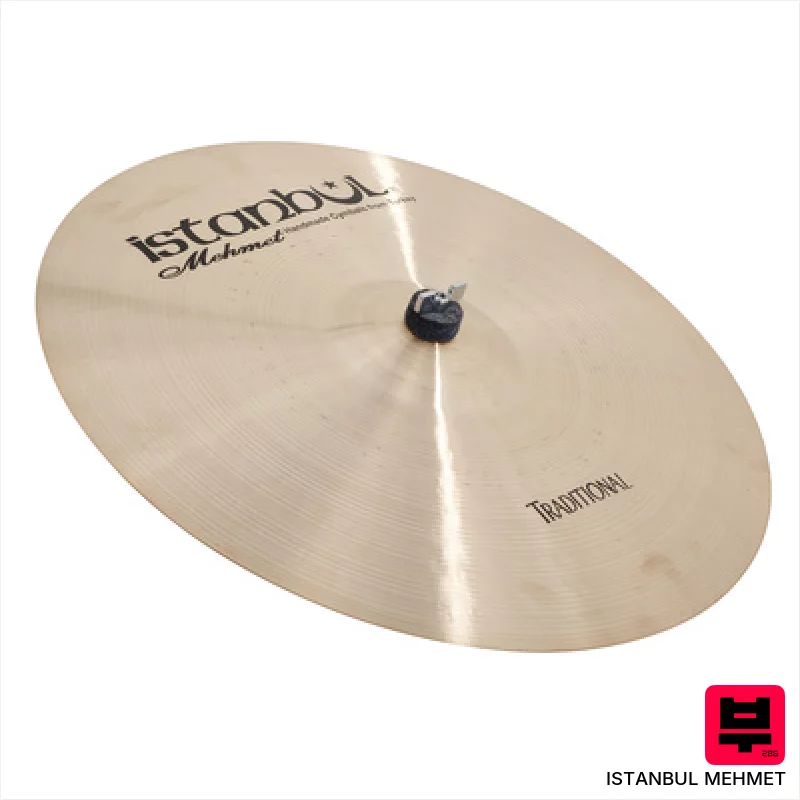
Istanbul Mehmet 20" Medium Crash Traditional
- • Hand-hammered bronze delivers complex overtones and warmth.
- • Regular finish provides a balanced wash and clear bell articulation.
- • Traditional series offers a vintage character appealing to diverse genres.
- • 20in size provides a versatile crash for a wide range of musical applications.
- • The medium weight might feel slightly heavy for players preferring lighter crashes.
- • Traditional finish can be prone to oxidation if not properly maintained.
- • Lacks the extreme projection of some modern, thinner crash cymbals.

Zildjian 20" A-Series Thin Crash
- • Brilliant finish provides excellent visual appeal and light reflection
- • B20 alloy delivers a warm, complex, and musical tone
- • Thin profile yields a quick response and shimmering decay
- • Versatile enough for genres needing nuanced dynamics and articulation
- • Thinness makes it less durable under heavy, aggressive playing
- • The bright sound may clash with darker, more vintage cymbal setups
- • Higher price point compared to entry-level crash options
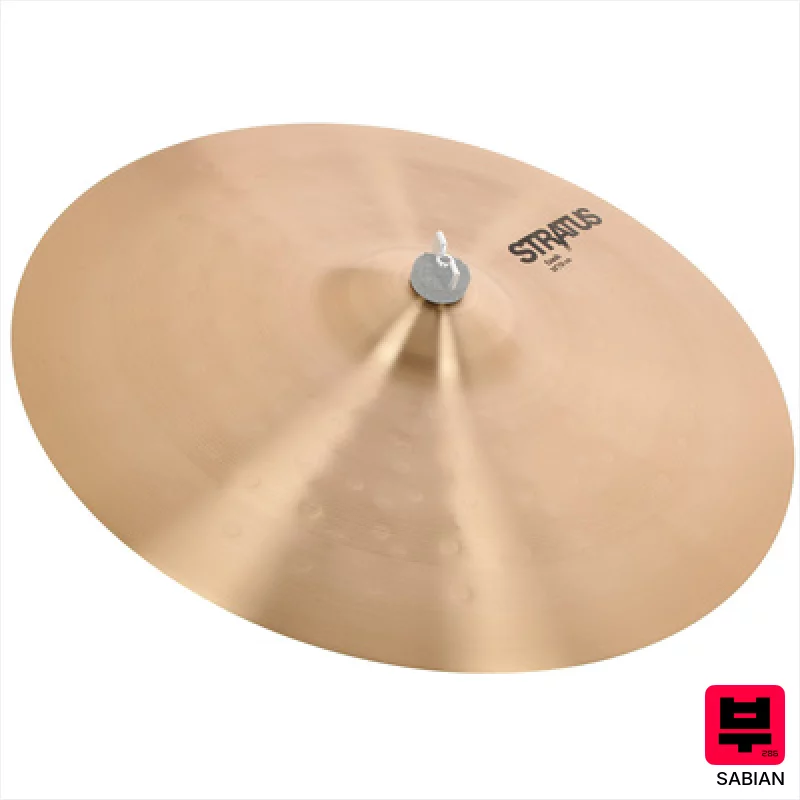
Sabian 20" Stratus Crash
- • The hammering creates a uniquely responsive wash, avoiding a brittle, metallic sound.
- • B-20 bronze provides a warm, complex tone with excellent sustain for a thin crash.
- • The traditional finish adds character and a slightly darker, more vintage aesthetic.
- • Short decay makes it ideal for fast, complex rhythms and controlled dynamic playing.
- • Thin weight limits its suitability for heavier hitters or louder genres like metal.
- • The darker tone might not be ideal for brighter, more modern musical styles.
- • The explosive response, while a pro for many, could be overwhelming in quieter settings.
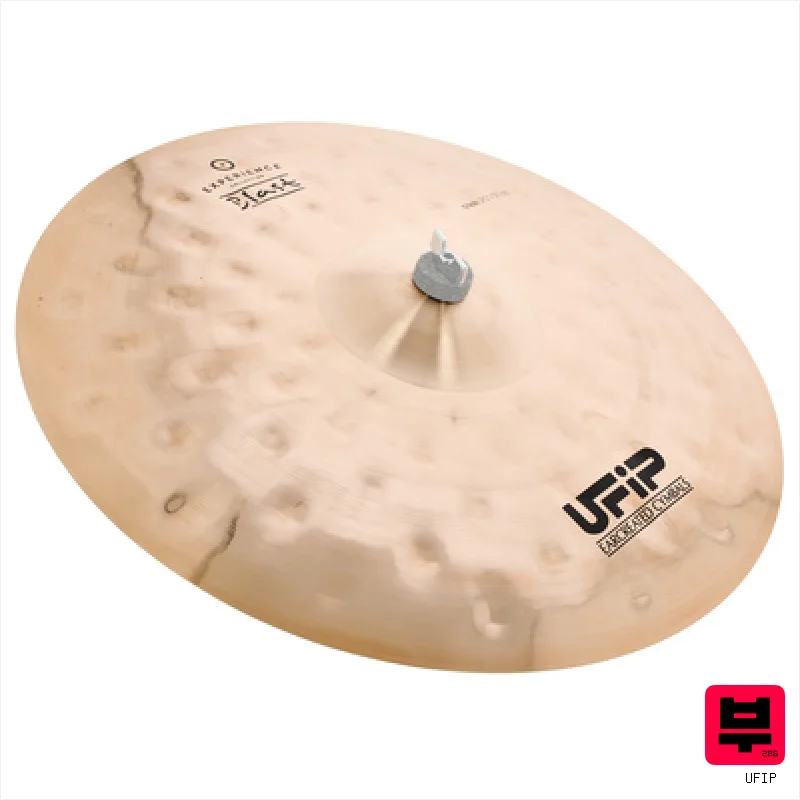
Ufip 20" Blast Series Crash
- • Twice hammered B20 bronze for a modern sound
- • Explosive and trashy character with fast response
- • Quick decay ideal for fast-paced music styles
- • Strong, clear voice from the 20-inch size
- • Very fast decay may lack sustain for some
- • Trashy sound might not fit every band
- • No specific weight listed for playing feel
Every 20" crash cymbals that matches
116 models match this page. The 15 above are covered in detail; the rest are listed here with their published specifications.
20" Crash Cymbals by the numbers
Measured across all 116 models in this category, so «wide», «short» or «expensive» mean something you can check.
How to Choose the Best 20" Crash Cymbals
Sustain & Decay
Too much sustain and you're fighting the mix; too little and you're just tapping a plate. Intermediate players need a crash that hangs long enough to create atmosphere but doesn't drown out the other instruments. It's a balancing act.
Wash & Complexity
A simple 'ping' is fine for a beginner, but you're looking for a crash with some character - a little shimmer, some overtones, a bit of a 'wash' that fills out the sound. This adds depth and musicality.
Playability & Response
How quickly does the cymbal respond to a lighter touch? A crash that's sluggish and unresponsive is frustrating, especially when you're trying to dial in dynamics. Good response is key to expressive playing.
Cut vs. Washed-Out
Does it cut through the mix, or does it disappear under the guitars and vocals? 20" crashes need to be assertive, but not ice-picky harsh. Finding that sweet spot of articulation is crucial.
Build Quality & Latency
Cheap crashes often feel brittle and have a weird, delayed response. The cymbal should feel solid and vibrate evenly, without any weird dead spots or unwanted ringing. This impacts the overall feel and how it interacts with your stick's rebound.
Buying Guide
Don't chase the loudest crash you can find. Focus on response and musicality. Entry-level cymbals often cut corners on hammering and lathing, leading to a dull, lifeless sound. It's worth spending a little more for a crash that inspires you to play better - a well-made crash can elevate your entire kit's sound, even if the rest of your setup is more budget-friendly.
How This List Is Built
We don't play these instruments — we're a catalog, not a review desk, and we'd rather say so than pretend otherwise. This page covers 116 20" crash cymbals from the Thomann catalogue, which is the largest single source of specification data in this category: 15 in detail, the rest listed with their specifications.
Position is computed, not curated. We parse the manufacturer's own description into actual values — nut width, scale, fret count, fingerboard radius, size, alloy — and rank on them: how many specifications a model has published, how many of them are measurable numbers, and how precisely it meets this page's criterion. A product image adds a little. Price is not a ranking signal: it tells you nothing about whether a neck fits your hand. The same inputs always produce the same order, so nothing here is shuffled to look fresh.
What this list is good for: narrowing a category down to a shortlist by spec and budget. What it isn't: a substitute for hearing an instrument. Before you buy, read hands-on reviews and, where you can, play it. Full methodology.

