
Best 1x15 Bass Cabs for Warm Low End 2026
So, you're chasing that warm, enveloping low end, huh? It's a vibe - the kind that makes your stomach rumble and gives you that solid foundation for everything else. A 1x15 cab is a natural starting point, but not all of them deliver that thick, fundamental warmth. Let's break down which ones actually nail it and why.
Last updated: July 15, 2026 • Next update: July 22, 2026
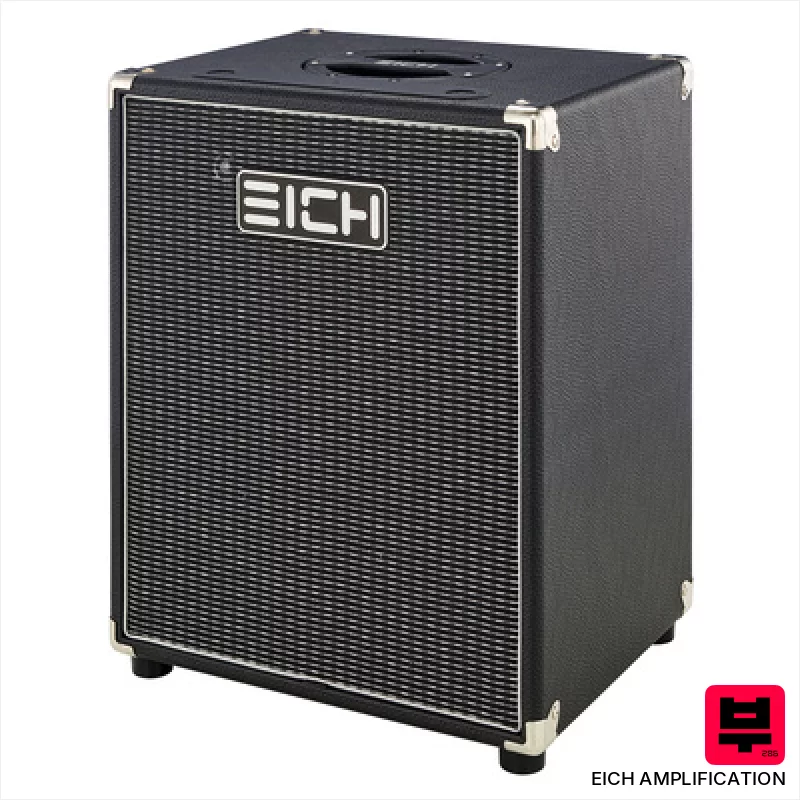
Eich Amplification 115XS-8 Bass Cabinet
- • TE15D ceramic driver delivers tight, defined low-end response.
- • CT1 tweeter adds clarity and airiness, surprisingly well-integrated.
- • Robust German engineering ensures exceptional build quality and longevity.
- • Monitor tilt and amp-fixing rail offer practical stage-ready functionality.
- • Relatively heavy for a 1x15, transport can be a challenge.
- • Midrange switch offers limited tonal shaping options.
- • Premium-priced, may be a barrier for budget-conscious players.
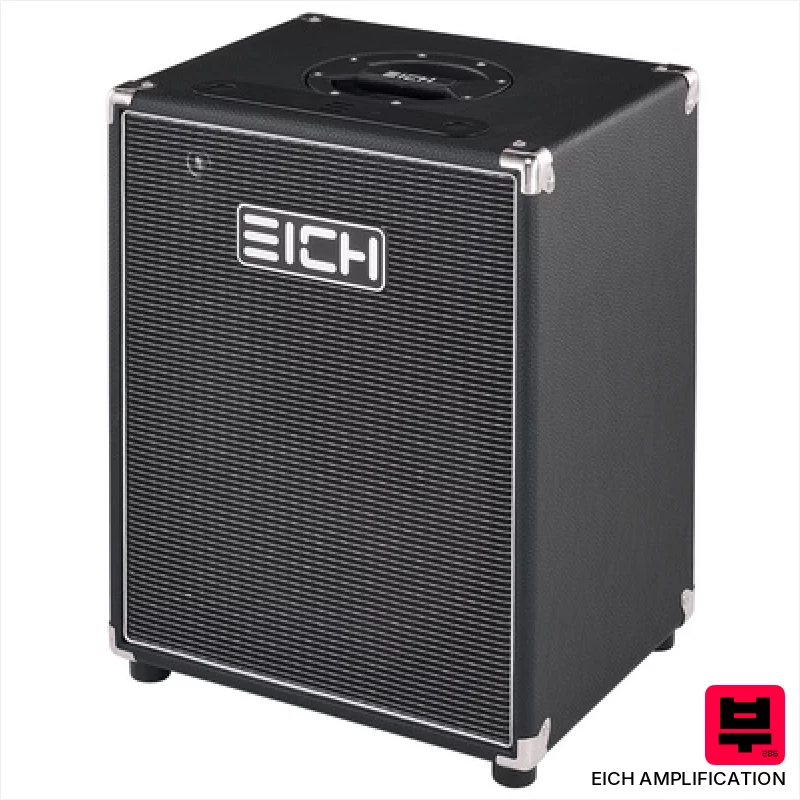
Eich Amplification 115XS-4 Bass Cabinet
- • TE15D driver delivers exceptionally deep, controlled low-end response
- • CT1 tweeter adds surprising clarity and articulation for bass
- • Robust German engineering ensures exceptional build quality and longevity
- • Monitor tilting function offers versatility for stage or practice
- • 4 Ohm impedance requires careful amp matching to avoid damage
- • Relatively heavy for a 1x15, making transport challenging
- • Tweeter’s high-frequency extension might be too bright for some genres
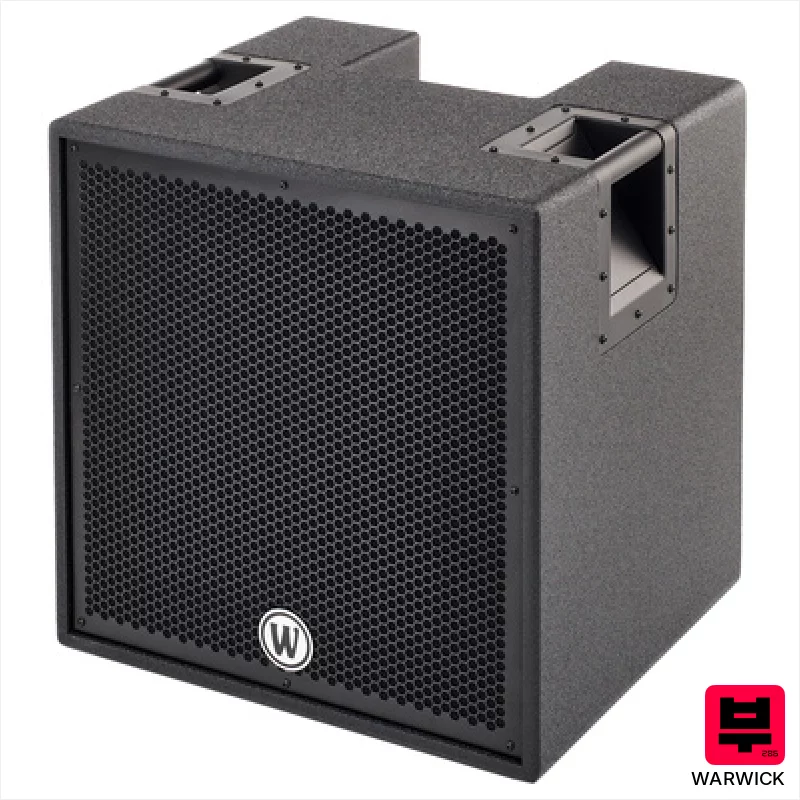
Warwick Gnome Pro CAB 15/8
- • Warwick’s custom speaker delivers a surprisingly deep, articulate low-end.
- • Piezo tweeter adds clarity and cuts through without harshness.
- • Compact and relatively lightweight for a 15” cab – gig-friendly.
- • Robust birch plywood construction ensures durability and resonance.
- • Limited headroom at higher volumes; best suited for smaller stages.
- • 8 Ohm impedance restricts amp pairing options somewhat.
- • The tweeter's adjustment range is a bit narrow for extreme EQ tweaking.
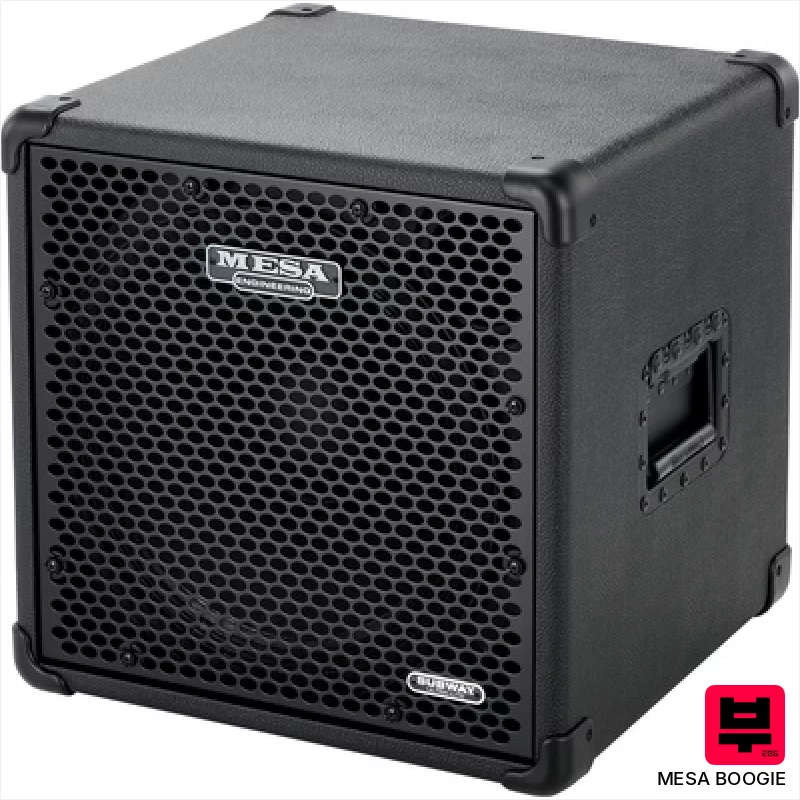
Mesa Boogie Subway Ultra-Lite 1x15
- • Neodymium speaker delivers surprising low-end extension for its size.
- • Tri-port design provides a remarkably tight and articulate bass response.
- • Poplar plywood construction balances weight and sonic resonance well.
- • Adjustable tweeter offers tonal shaping for gigging versatility.
- • Limited headroom compared to larger, multi-speaker cabinets.
- • Relatively premium-priced for a 1x15 enclosure.
- • Lexan corners, while durable, don't quite match the premium feel of metal.
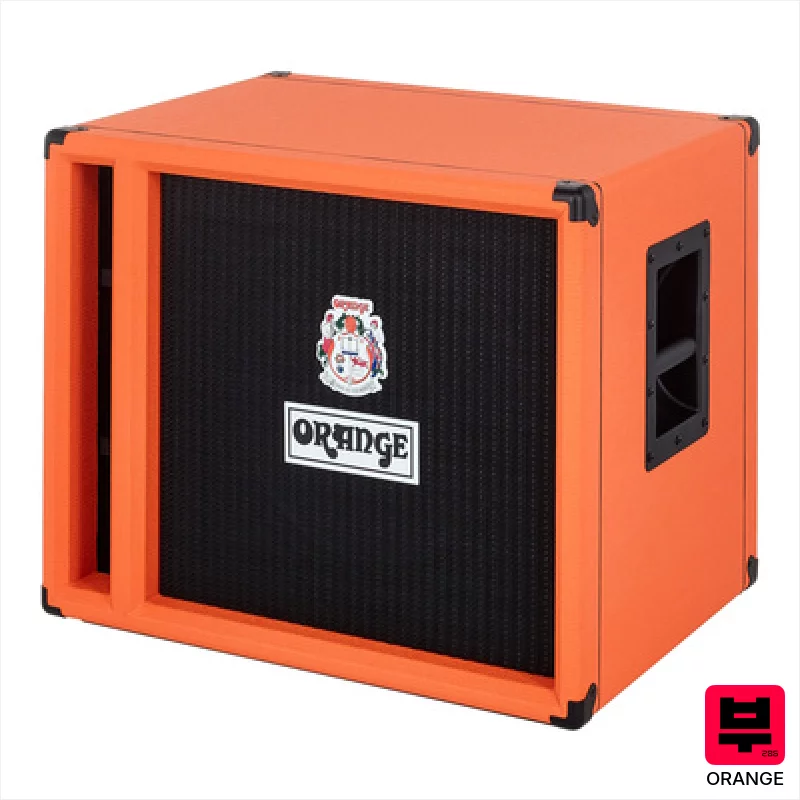
Orange OBC115C
- • Robust 18mm birch construction provides excellent resonance and durability.
- • Celestion Pulse XL 15.17 delivers a warm, defined low-end with surprising clarity.
- • Closed cabinet design focuses bass frequencies for a tight, punchy sound.
- • Skid-style feet offer stability and prevent unwanted movement on stage.
- • Single 15” limits high-end extension; not ideal for brighter bass tones.
- • The weight makes transportation a challenge, especially for solo performers.
- • Closed design can feel slightly boxy compared to ported cabinets.
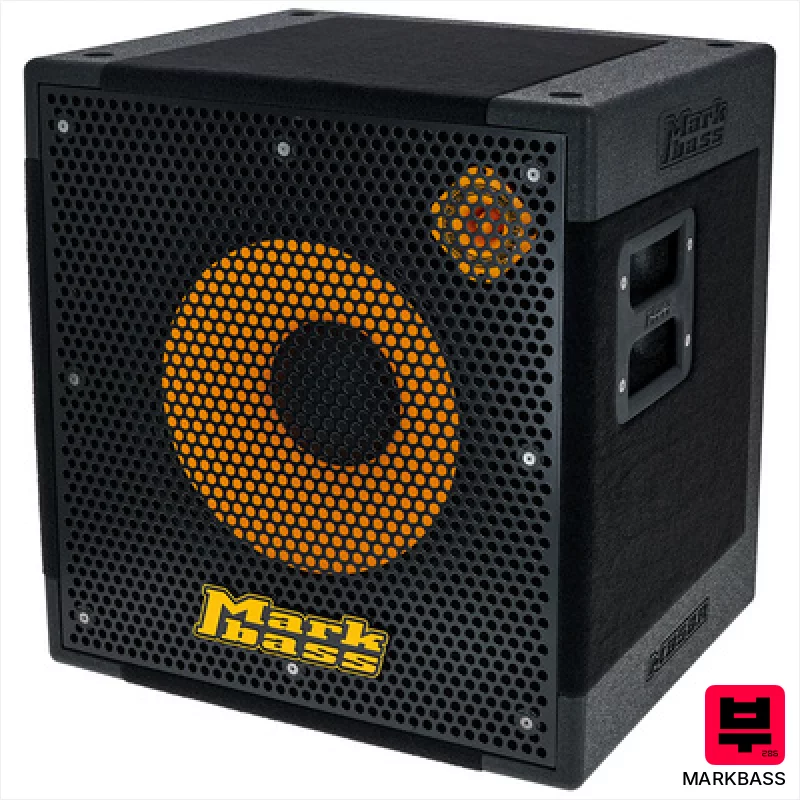
Markbass MB58R 151 Pure Box
- • Neodymium speaker delivers exceptional low-end extension and clarity.
- • Hi-fi tweeter provides surprisingly articulate high-frequency response.
- • Biodegradable housing showcases Markbass's commitment to sustainability.
- • Italian craftsmanship ensures robust construction and long-term reliability.
- • Relatively heavy for a 1x15, limiting portability for some players.
- • High-fi tweeter might be too bright for certain musical styles.
- • Limited versatility; excels in specific genres, less ideal for extreme metal.
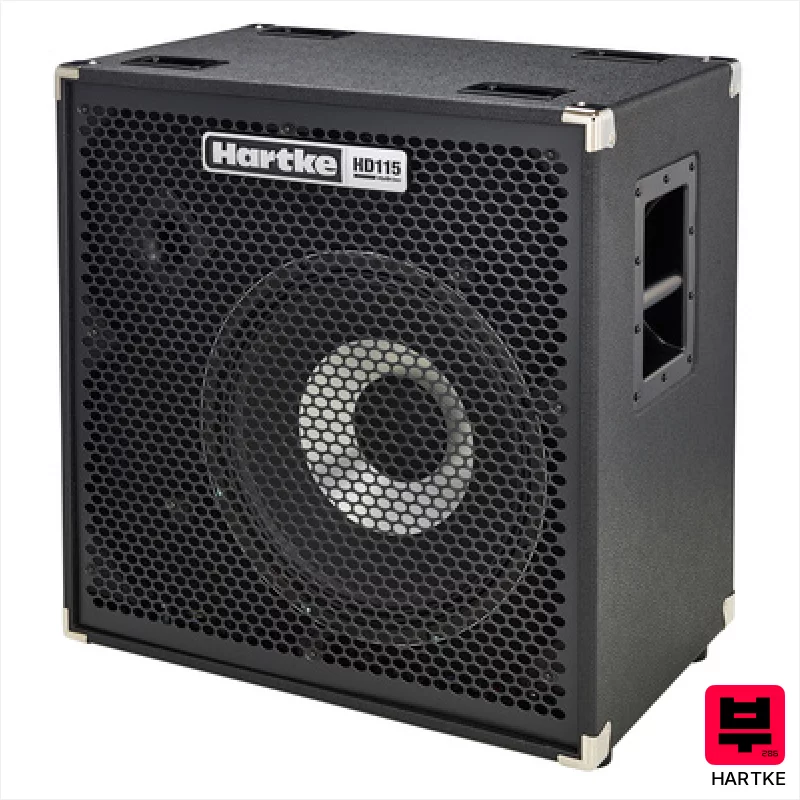
Hartke HyDrive HD115
- • Hartke’s paper/aluminum drivers deliver a surprisingly articulate low-end.
- • Reinforced plywood construction feels exceptionally robust and roadworthy.
- • The 3-way tweeter switch offers tonal shaping versatility for various genres.
- • Bass reflex design provides extended low-frequency response and impressive volume.
- • The weight makes it a two-person job to transport, especially for gigging.
- • While versatile, it leans towards a scooped mid-range, limiting some styles.
- • The paper cone driver may be more susceptible to damage than a more robust material.

Glockenklang Uno Rock Deluxe 8 Ohms
- • Celestion neodymium speaker delivers tight, defined low-end response.
- • Tulip Horn expands sonic projection, adding clarity and air.
- • UN skirt design minimizes turbulence, improving efficiency and reducing distortion.
- • Robust MDF construction ensures durability for gigging and studio use.
- • Weight makes transport a challenge for solo performers or smaller vehicles.
- • High-end price point may be prohibitive for budget-conscious players.
- • Limited versatility; excels in rock and funk, less ideal for very clean genres.
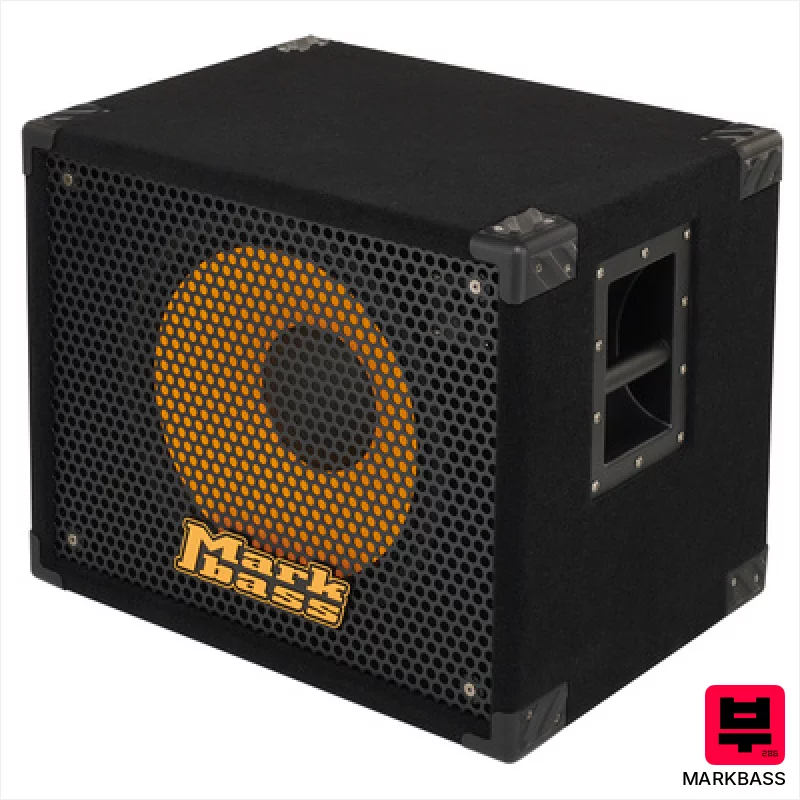
Markbass Traveler 151P
- • Neodymium speaker delivers surprising low-end punch and clarity
- • Laterally adjustable tweeter offers precise high-frequency tailoring
- • Compact size and reflex port design maximize portability and efficiency
- • Robust MDF construction feels solid and well-built for gigging
- • 8 Ohm impedance limits head compatibility with some higher-powered amps
- • Limited to a single 15in speaker, lacks the headroom of larger cabs
- • Reflex port placement can be tricky in tight spaces or on carpet
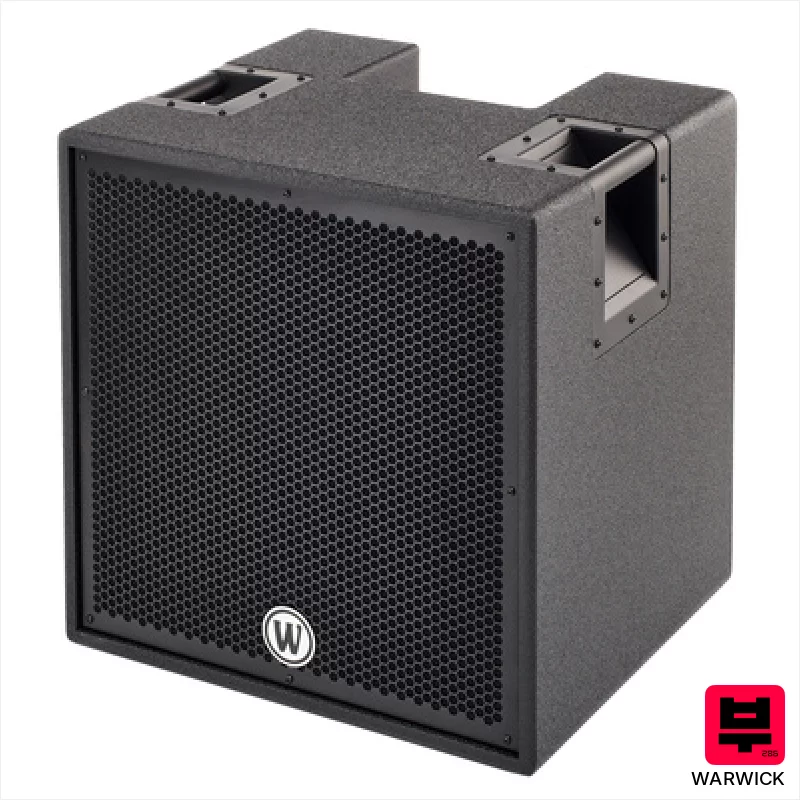
Warwick Gnome Pro CAB 15/4
- • Warwick’s custom speaker delivers a surprisingly deep, controlled low-end.
- • Piezo tweeter adds crisp highs, adjustable to avoid harshness.
- • Compact and relatively lightweight for a 15’ cab – gig-friendly.
- • Robust birch plywood construction ensures durability and resonance.
- • 4 Ohm impedance limits amp pairing options, requiring careful matching.
- • Single 15’ driver lacks the sheer volume of larger cabs.
- • The tweeter’s adjustment isn’t as granular as a dedicated EQ.
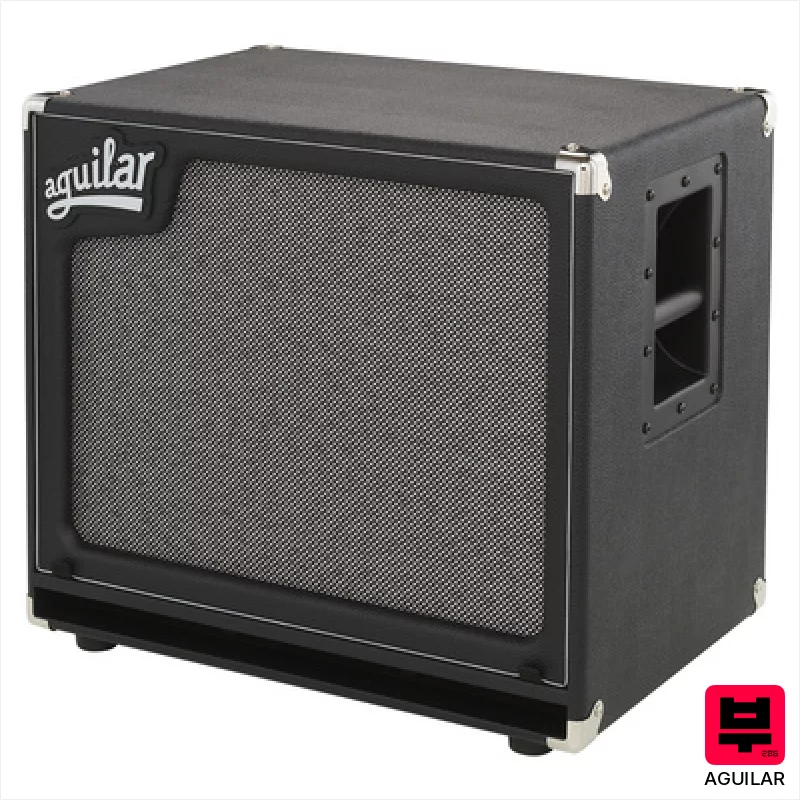
Aguilar SL 115 - 8 Ohms
- • Custom voiced neodymium driver delivers tight, articulate low-end.
- • Phenolic tweeter adds crisp highs without harshness or fatigue.
- • Robust birch plywood construction ensures excellent resonance and durability.
- • Integrated phase plug optimizes tweeter response for a balanced sound.
- • Relatively heavy for gigging, especially when combined with a head.
- • Limited to a single 15-inch speaker – lacks versatility for varied genres.
- • Premium-priced, representing a significant investment for many bassists.

Fender Rumble 115 Cabinet V3
- • Eminence speaker delivers a warm, punchy low-end response.
- • Compression tweeter adds clarity and cuts through the mix effectively.
- • Robust vinyl covering and silver grille offer a professional aesthetic.
- • Pop-out rollers simplify transport, a real boon for gigging musicians.
- • The Eminence speaker, while good, isn’t a premium audiophile-grade driver.
- • Vinyl covering can be susceptible to scuffs and wear over time.
- • Relatively heavy, making it less ideal for frequent transport by one person.
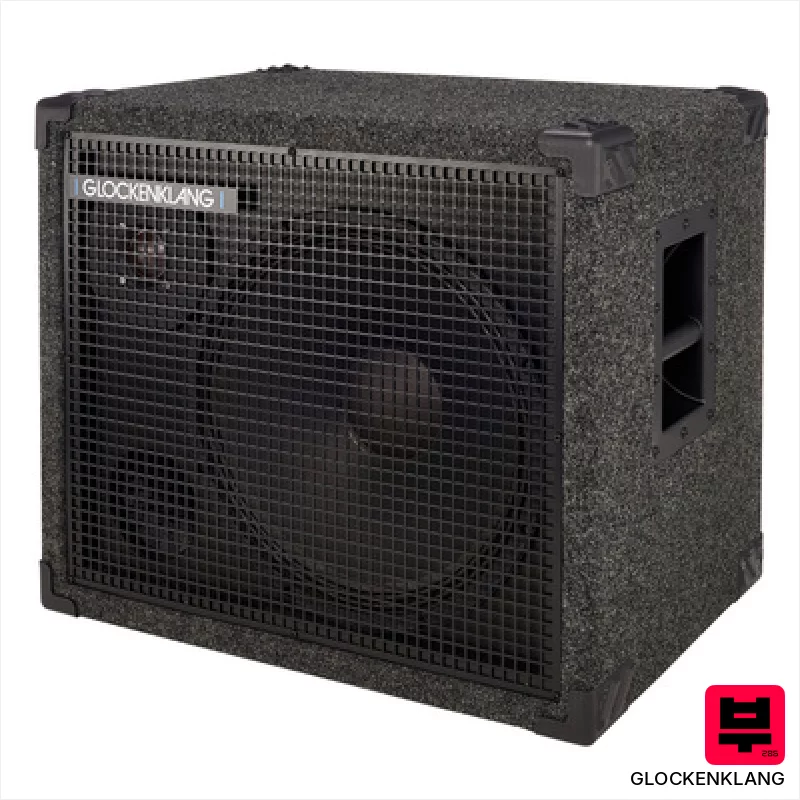
Glockenklang Uno Rock Art light 115 8 Ohms
- • Exceptional clarity thanks to adjustable dome tweeter
- • Bass reflex design delivers impressive low-end extension
- • German engineering ensures robust construction and longevity
- • Lightweight for a 1x15, surprisingly portable for its size
- • Limited headroom compared to higher wattage cabinets
- • 8-ohm impedance restricts amp pairing flexibility
- • Carpet finish can be susceptible to wear and staining
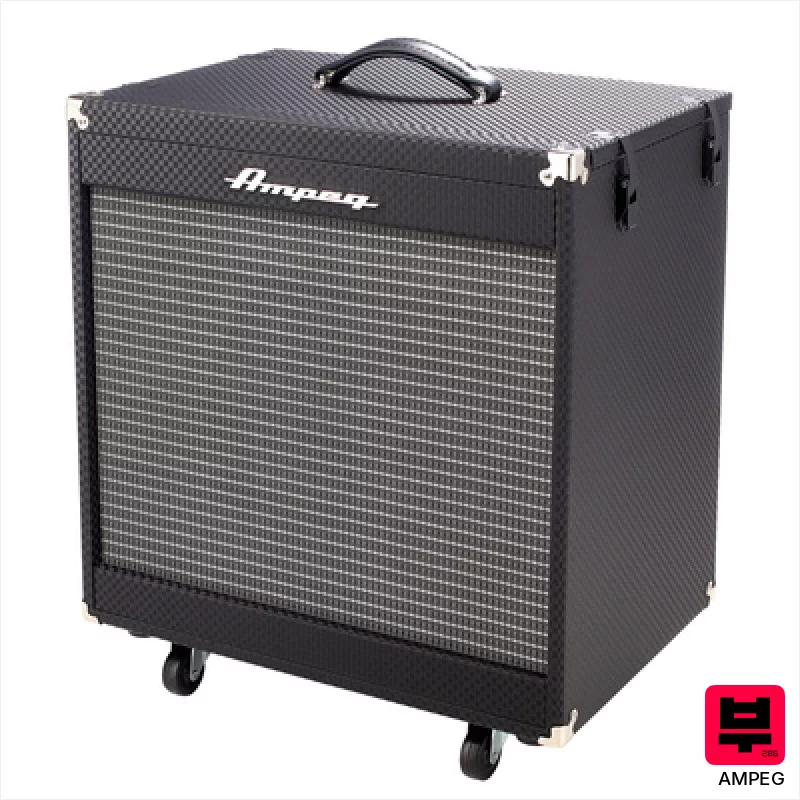
Ampeg PF-115HE Portaflex
- • Robust construction with classic diamond tolex and sturdy flip-top design
- • The Eminence speaker delivers a warm, punchy low-end response
- • High-frequency compression driver adds clarity and articulation to the sound
- • Portaflex design offers portability and convenient storage for gigging musicians
- • Weight makes transport a challenge for solo performers or frequent travelers
- • Limited versatility compared to combo amps or multiple-speaker setups
- • Tweeter volume control lacks precise adjustment for optimal high-frequency balance
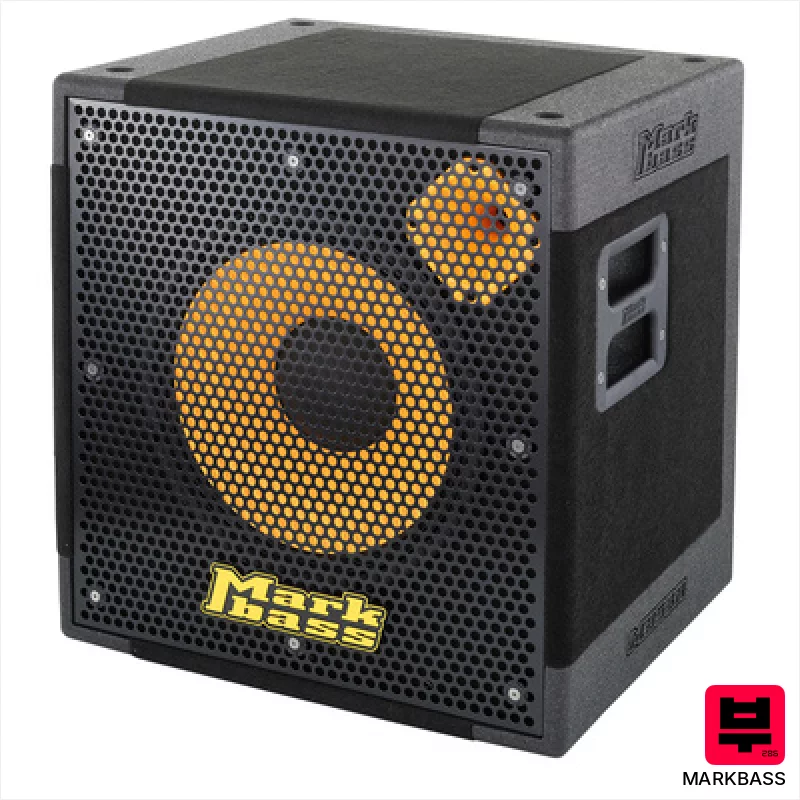
Markbass MB58R 151 Energy Box
- • Neodymium speaker delivers tight, articulate low-end response.
- • HF compression tweeter provides clear, detailed highs without harshness.
- • Biodegradable housing demonstrates Markbass's commitment to sustainability.
- • Italian craftsmanship ensures robust build quality and lasting durability.
- • 1x15 configuration limits versatility for broader musical styles.
- • Relatively heavy for portable use, especially for gigging bassists.
- • Premium-priced compared to some competing 1x15 cabinets.
How to Choose the Best 1x15 Bass Cabs
Cone Material
Paper cones, especially those with vintage formulations, tend to have a more natural, damped low-end response. They don't have the raw, aggressive punch of a polypropylene cone, but they offer a rounder, warmer tone - crucial for that 'hug' we're after.
Porting/Vented Design
Ports emphasize the low frequencies, but too much porting can lead to a boomy, undefined sound. The best warm-toned 1x15s find a balance, offering extended lows without sacrificing clarity or tightness.
Cabinet Construction/Damping
MDF is common, but thicker, denser cabinets with internal bracing will resonate less and offer a tighter, more controlled low-end. Damping materials (like foam) can further tame unwanted resonances, shaping the overall tone.
Driver Size (15-inch)
While all are 15s, slight variations in driver diameter affect the overall frequency response. Some cabs use slightly larger 15-inch drivers, which can extend the low-end a bit further, but also require more power to move.
Power Handling & Headroom
Warm low end requires headroom. If you're consistently pushing a cab to its limits, you'll lose that sweet warmth and just get distortion. Look for a cab with adequate power handling for your amp and playing style.
Buying Guide
Don't get fooled by marketing hype - a 1x15 cab won't magically make a thin-sounding amp sound huge. The low end is only as good as the amp driving it. Be wary of super-cheap cabs; they often use flimsy materials and underpowered drivers that just won't deliver the warmth you're seeking. Paying a bit more for a well-built cab with a quality driver and solid construction is almost always worth it.
Our Methodology
We're not chasing spec sheets here. We've spent countless hours plugging these cabs into a variety of basses - from vintage P-basses to modern 5-stringers - and running them through different amps, both at gig volumes and bedroom levels. It's about how they feel and how they translate in a band mix, not just the numbers on a page.

