AudioFu Chart · October 2026
Best 16" Crash Cymbals for Beginner 2026
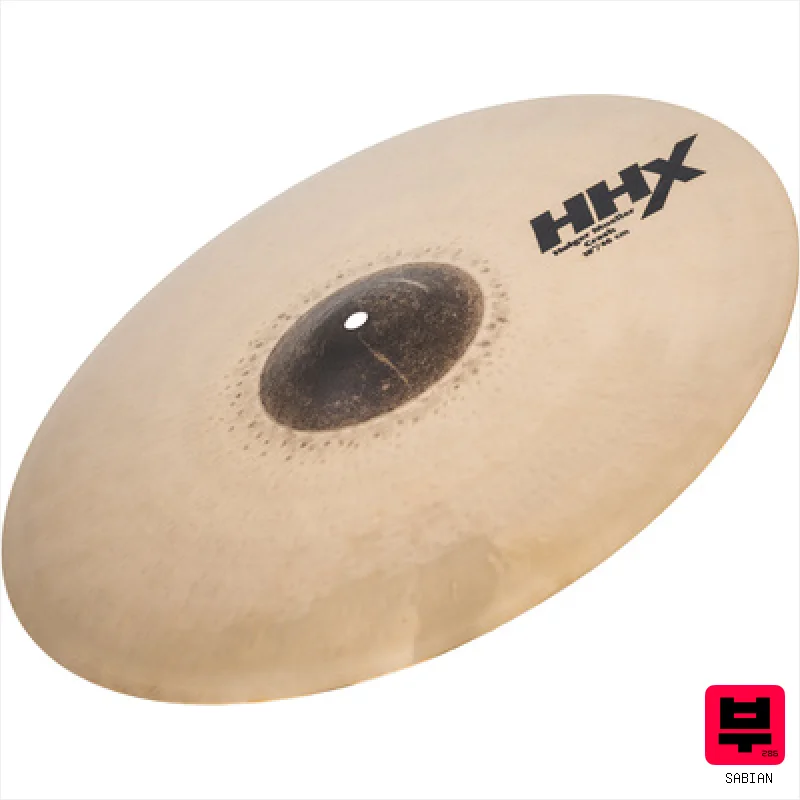
The top pick is Meinl 16" HCS Crash ($78). Paiste 16" 101 Brass Crash Cymbal gives you the most for the money at $59. Paiste 16" PST 7 Thin Crash Cymbal leads the high end. Ranked by the AudioFu Index from 174 models across 11 brands, prices checked every night.
Last updated: October 19, 2026
Top 10
Full detail for the 10 highest AudioFu Index scores. Every other model is listed below.
-
- Size16"
The Meinl HCS 16 in crash is a solid starting point for beginners or players needing an affordable, reliable cymbal. It offers a bright, clear sound that cuts through a mix without being overly complex. It’s a workhorse for practice, student bands, or situations where budget is a primary concern.
Pros
- Bright, clear initial attack provides good cutting power.
- The B20 bronze alloy delivers a surprisingly full tone for its price.
- Consistent, predictable response makes it easy to control dynamics.
Cons
- Sustain is noticeably short compared to higher-end crash cymbals.
- The MS63 alloy lacks the complex overtones of more premium bronze.
-
- Size16"
The 101 series is Paiste's entry-level line, and this 16 in crash is a fantastic starting point. It's bright, responsive, and surprisingly versatile – great for beginners, gigging musicians on a budget, or anyone needing a reliable, all-purpose crash.
Pros
- Bright, responsive stick attack ideal for lighter playing styles
- Excellent projection for its size, cuts through a busy mix
- Well-laced with overtones that add complexity without being overwhelming
Cons
- Lacks the dark, brooding character of higher-end Paiste lines
- The thinner profile means it's not ideal for heavy hitters
-
Zildjian 16" Planet Z Crash Cymbal
16" Planet Z Crash · Zildjian
25 for sale on Reverb1 finish at Thomann
- Size16"
The Planet Z 16in crash is a solid starting point for drummers looking for a bright, responsive sound without spending a fortune. It's a great option for student kits or anyone needing a budget-friendly crash, but don't expect the depth and sophistication of Zildjian's higher-tier offerings. It’s a workhorse for rock, pop, and lighter genres.
Pros
- Bright, lively sound ideal for beginner and intermediate players
- Thin profile offers quick response and easy playability
- Solid brass construction provides decent durability for the price point
Cons
- Lacks the complexity and sustain of higher-end Zildjian cymbals
- Brass finish is prone to tarnishing and requires regular cleaning
-
- Size16"
The PST3 16in crash is a solid, budget-friendly option for drummers wanting a bright, cutting sound. It’s great for rock, pop, and heavier styles where you need a defined crash that won't get lost. A fantastic first crash for younger players or those on a tight budget.
Pros
- Bright, focused sound cuts through busy mixes effectively.
- Paiste’s bronze alloy provides a reliable, consistent tone.
- Medium weight makes it responsive and easy to control for beginners.
Cons
- Lacks the complex overtones of higher-end Paiste cymbals.
- The brass alloy can be prone to tarnishing with regular use.
-
Meinl 16" Byzance Dual Trash Crash Cymbal
16" HCS Trash Crash · Meinl
14 for sale on Reverb1 finish at Thomann
- Size16"
This Meinl HCS Trash Crash is a surprisingly good option for drummers on a budget who want a distinctive, trashy sound. It’s a solid choice for beginners or those needing a specific, aggressive crash for genres like punk or metal – just don't expect the nuance of a professional-grade cymbal.
Pros
- Bright, trashy sound ideal for rock, punk, and industrial genres
- HCS Bronze alloy offers surprising durability for its price point
- Relatively soft response makes it manageable for less experienced players
Cons
- Lacks the complex overtones of higher-end trash cymbals
- Sustain is shorter than many crash cymbals, limiting versatility
-
- Size16"
This Millenium Still Series crash is a solid option for drummers needing a quiet practice tool. It's surprisingly playable for a budget-friendly, dampened cymbal, offering a decent feel and a warmer tone than you'd expect. Perfect for apartment dwellers or those needing to rehearse discreetly.
Pros
- Nickel construction provides a darker, warmer tone than bronze cymbals.
- Significant volume reduction makes it genuinely usable for quiet practice.
- Regular finish offers a bit more projection than a completely dead finish.
Cons
- Lacks the complex overtones and shimmering sustain of a traditional cymbal.
- Nickel finish can be prone to tarnishing and requires occasional cleaning.
47AudioFu
Index↓ 16.9%since Aug 17 · lowest so far$66 · Aug 17$55 now$55€49 at Thomann · in stockCheck price ↗ -
- Size16"
The Sabian SBR 16 in crash is a workhorse – loud and responsive, perfect for drummers needing a reliable accent cymbal in rock, pop, or similar styles. It's a great value option for gigging musicians who want a decent sound without a premium price tag, though don't expect the nuance of more expensive models.
Pros
- Bright, cutting sound ideal for rock and pop accents
- Thin profile provides a quick, responsive feel and wash
- Solid brass construction ensures durability for regular gigging
Cons
- Lacks the complex overtones of higher-end Sabian crashes
- Can be overly bright for very mellow or jazz-oriented playing
66AudioFu
IndexStableno change since Aug 17Aug 17$115 now$115€102 at Thomann · in stockCheck price ↗ -
- Size16"
This Millenium crash is a solid budget-friendly option if you're primarily focused on quiet practice or low-volume acoustic sets. It’s a great way to get the feel of a crash without the volume, but don’t expect it to replace a high-quality cymbal for serious performance work. Perfect for students or anyone needing a discreet practice tool.
Pros
- Nickel construction provides a muted, controlled response ideal for quiet practice.
- The blue finish is purely cosmetic, but adds a distinct visual appeal.
- Low-volume design significantly reduces bleed into microphones for recording.
Cons
- Nickel bronze offers limited tonal complexity compared to bronze alloys.
- The 'still' series lacks the wash and sustain of a higher-end crash.
-
Paiste 16" PST 7 Thin Crash Cymbal
PST7 16" Thin Crash · Paiste
10 for sale on Reverb3 finishes at Thomann
- Size16"
The Paiste PST7 16 in Thin Crash is a solid, reliable cymbal for players needing a light, articulate crash. It's great for quieter genres like acoustic, folk, or lighter pop, where you want a splashy accent without overpowering the kit. A really good entry point into the Paiste sound at an affordable price.
Pros
- Bright, shimmering wash with a quick decay for subtle accents
- CuSn8 bronze provides a warm, fundamental tone
- PST7 series offers excellent value for beginner to intermediate drummers
Cons
- Lacks the complexity and sustain of higher-end Paiste cymbals
- Can be overly bright in certain recording environments without careful EQ
64AudioFu
IndexStableno change since Aug 17Aug 17$123 now$123€109 at Thomann · in stockCheck price ↗ -
- Size16"
This Millenium 16' B20 crash is a surprisingly decent option for beginners or those on a tight budget. It’s got a lively, immediate sound that cuts through a mix, making it great for practice or gigging in quieter settings. Don't expect heirloom quality, but it's a solid performer for the price.
Pros
- Bright, explosive initial attack provides immediate impact
- B20 bronze alloy delivers a relatively complex tonal character
- Good sustain for a cymbal in this price bracket
Cons
- Lacks the nuanced overtones of higher-end bronze cymbals
- Thin profile means it's prone to cracking with aggressive playing
All 174 16" crash cymbals
Same index, same nightly prices — compact. Colour options of one model share a row. Tap a photo to zoom.
- 11
Zultan 16" Aja CrashZultan44Stable$78€69$78€69Check ↗
- 12
Sabian 16" AAX O-Zone Crash Cymbal16" SBR O-Zone Crash · Sabian63Stable$134€119$134€119Check ↗
- 13
Zultan 16" Aja Blaze CrashZultan44Stable$84€75$84€75Check ↗
- 14
Paiste 16" PST X Swiss Thin Crash Cymbal16" PSTX Swiss Thin Crash · Paiste61Stable$134€119$134€119Check ↗
- 15
Meinl 16" HCS Practice Crash Cymbal16" Practice HCS Crash · Meinl52Stable$110€98$110€98Check ↗
- 16
Paiste PST5 16" Rock Crash '14Paiste · 2 finishes50Stable$111€99$111€99Check ↗
- 17
Zildjian 16" A Series Medium Thin Crash Cymbal16" S Series Thin Crash · Zildjian71Stable$174€155$174€155Check ↗
- 18
Zildjian 16" A Series Medium Thin Crash Cymbal16" S Series Medium Thin Crash · Zildjian71Stable$179€159$179€159Check ↗
- 19
Paiste 16" PST 8 Reflector Rock Crash Cymbal16" PST8 Reflector Mediu Crash · Paiste · 2 finishes56Stable$145€129$145€129Check ↗
- 20
Paiste 16" PST X Cajon Crash Cymbal16" PSTX Cajon Crash · Paiste51Stable$134€119$134€119Check ↗
- 21
Paiste 16" Color Sound 900 Series Crash Cymbal16" 900 Color Sound Crash RED · Paiste · 2 finishes65Stable$179€159$179€159Check ↗
- 22
Paiste 16" 900 Series Crash Cymbal16" 900 Series Crash · Paiste61Stable$168€149$168€149Check ↗
- 23
Zildjian 16" S Series Trash CrashZildjian62Stable$186€165$186€165Check ↗
- 24
Paiste 16" PSTX Swiss Flanger CrashPaiste45Stable$141€125$141€125Check ↗
- 25
Zildjian 16" S Series Rock Crash Cymbal16" S Series Rock Crash · Zildjian57Stable$179€159$179€159Check ↗
- 26
Meinl 16" Classics Custom Dark Crash16" Classics Custom Pow. Crash · Meinl58Stable$182€162$182€162Check ↗
- 27
Zildjian 16" I Family Crash medium-thinZildjian46↓ 2.9%$152€135$152€135Check ↗
- 28
Paiste 16" Color Sound 900 Series Heavy Crash Cymbal16" 900 Series Heavy Crash · Paiste51Stable$168€149$168€149Check ↗
- 29
Paiste 16" Color Sound 900 Series Heavy Crash Cymbal16" 900 Color Heavy Crash BK · Paiste51Stable$179€159$179€159Check ↗
- 30
Zultan 16" Crash 25Zultan44Stable$168€149$168€149Check ↗
- 31
Zultan 16" Raw CrashZultan44Stable$168€149$168€149Check ↗
- 32
Zultan 16" F5 CrashZultan44Stable$168€149$168€149Check ↗
- 33
Meinl 16" Class. Cust. Dark Tr. Cr.Meinl46Stable$174€155$174€155Check ↗
- 34
Masterwork 16" Troy Traditional CrashMasterwork40Stable$163€145$163€145Check ↗
- 35
Zultan 16" Q CrashZultan44Stable$179€159$179€159Check ↗
- 36
Zultan 16" Caz CrashZultan44Stable$179€159$179€159Check ↗
- 37
Zultan 16" Rock Beat CrashZultan44Stable$179€159$179€159Check ↗
- 38
Zultan 16" Crash Dark MatterZultan40↑ 7.2%$168€149$168€149Check ↗
- 39
Evans 16" dB One CrashEvans37Stable$163€145$163€145Check ↗
- 40
Masterwork 16" Custom Rock CrashMasterwork42↓ 3.6%$179€159$179€159Check ↗
- 41
Zultan 16" Dark Matter Splatter CrashZultan41↑ 6.7%$179€159$179€159Check ↗
- 42
Zildjian 16" A Custom Crash Cymbal16" Z Custom Crash · Zildjian72Stable$370€329$370€329Check ↗
- 43
Zildjian 16" A Custom Crash Cymbal16" A-Custom Crash · Zildjian72Stable$370€329$370€329Check ↗
- 44
Zildjian 16" A Series Medium Thin Crash Cymbal16" A-Series Medium Crash · Zildjian71Stable$324€288$324€288Check ↗
- 45
Zildjian 16" A Series Medium Thin Crash Cymbal16" A-Series Medium Thin Crash · Zildjian71Stable$325€289$325€289Check ↗
- 46
Zildjian 16" A Series Medium Thin Crash Cymbal16" A-Series Thin Crash · Zildjian71Stable$325€289$325€289Check ↗
- 47
Sabian 16" B8X O-Zone Crash Cymbal16" B8X Thin Crash · Sabian · 4 finishes69Stable$190€169$190€169Check ↗
- 48
Zildjian 16" K Series Sweet Crash Cymbal16" K Sweet Crash · Zildjian68Stable$381€339$381€339Check ↗
- 49
Zildjian 16" K Custom Dark Crash Cymbal16" K-Custom Dark Crash · Zildjian67Stable$426€379$426€379Check ↗
- 50
Zildjian 16" K Series Dark Thin Crash Cymbal16" K-Series Dark Crash Thin · Zildjian66Stable$393€349$393€349Check ↗
16" Crash Cymbals by the numbers
Measured across all 183 models we track, not a sample.
Median $291 — half of all 16" crash cymbals here cost less.
median of 183 models · 16"–16"
How to choose the best 16" crash cymbals
Wash vs. Stick Definition
Beginners need a crash that's forgiving. Too much sizzle and a sharp, brittle attack will make it hard to control. A good wash helps blend, while still allowing for clear stick definition when you want it.
Sustain
A longer sustain isn't always better, especially when learning. Too much sustain can mask sloppy playing. A moderate sustain allows for a nice, full sound without lingering for an eternity.
Playability/Action
The cymbal needs to respond evenly across the surface. A stiff, uneven action makes it harder to get a consistent sound and can lead to frustration. Look for something that bows smoothly and doesn't fight you.
Volume
As a beginner, you'll be playing with other instruments. A 16" crash offers a good balance - loud enough to cut through a practice band, but not so loud you're drowning everyone out at home.
Durability/Construction
Beginner players aren't always the gentlest. A well-latened cymbal will handle more abuse and last longer than a thin, delicate one. Look for something with a reasonable weight and a solid construction.
Buying guide
So, you're starting out on drums and looking for a crash? A 16" crash is a sweet spot - big enough to get a good wash and volume, but still manageable and relatively easy to control. Don't go straight for the 20" sizzle-fest, trust me. You need something that'll let you learn dynamics and articulation without fighting the cymbal every time. Let's break down some good options for beginner players.
Don't chase the 'brightest' or 'most cutting' cymbal - that's for experienced players. Focus on playability and a balanced tone. Entry-level cymbals often cut corners with thinner bronze alloys, which means they can be more brittle and prone to cracking.
Spending a little more for a higher-quality bronze alloy (like B8 bronze) is worth it for longevity. Ultimately, listen to the cymbal - your ears are your best guide.
How the AudioFu Index works
Five measured signals and nothing else — no stars from strangers, no “tested by experts” we didn’t do. The weights are fixed and public. We don’t play these instruments; we measure the market around them.
This chart covers 183 16" crash cymbals from the Thomann catalogue. Before you buy, read hands-on reviews and, where you can, play it. Full methodology.
AudioFu earns a commission when you buy through our Thomann links. It never changes the order — the index does.
- Demand40%
How many of this exact model are for sale on Reverb right now — what musicians actually buy and resell.
- Lineup20%
How many finishes Thomann stocks — makers expand the models that sell.
- Price15%
Where the price has moved since we started tracking in August.
- Specs15%
How completely the maker documents it.
- Maker10%
How deep the brand’s range is in this category.
Questions
Are bronze cymbals really worth the extra money?
Absolutely. Bronze (especially B20) offers a warmer, more complex tone and is significantly more durable than brass or nickel-brass cymbals. The difference is noticeable, especially as you develop your ear.
What's the difference between B8 and B20 bronze?
B8 is a bronze alloy with a higher tin content, making it more affordable and generally brighter. B20 is a more traditional alloy with a more complex and nuanced tone, and it's usually a bit darker and warmer.
I'm playing in a loud band - should I get a bigger crash?
Not necessarily. A 16" can still cut through with good technique. Focus on striking the cymbal in the right place and using dynamics - that's more important than size.
Can I use a 16" crash as a ride cymbal?
While it's possible, it's not ideal. It won't have the bell definition or the wash you need for a good ride sound. It'll likely sound thin and washy, and won't cut through well. Get a dedicated ride.
My cymbal keeps cracking - what am I doing wrong?
It's likely a combination of factors. Are you hitting it too hard? Is the cymbal too thin for your playing style? Are you letting it rest on the stands at awkward angles? Proper care and technique are essential.