
Best Pearl 14" Brass Snare Drums 2026
Alright, so you're in the market for a 14" brass snare? Smart move. Pearl's been churning out serious hitters for decades, and their brass snares consistently deliver that dry, cracky response with a surprising amount of projection. We're not talking about a generic 'thud' - these are snares built for cutting through a live band or adding some serious snap to a studio recording, depending on how you dial them in.
Last updated: September 30, 2026
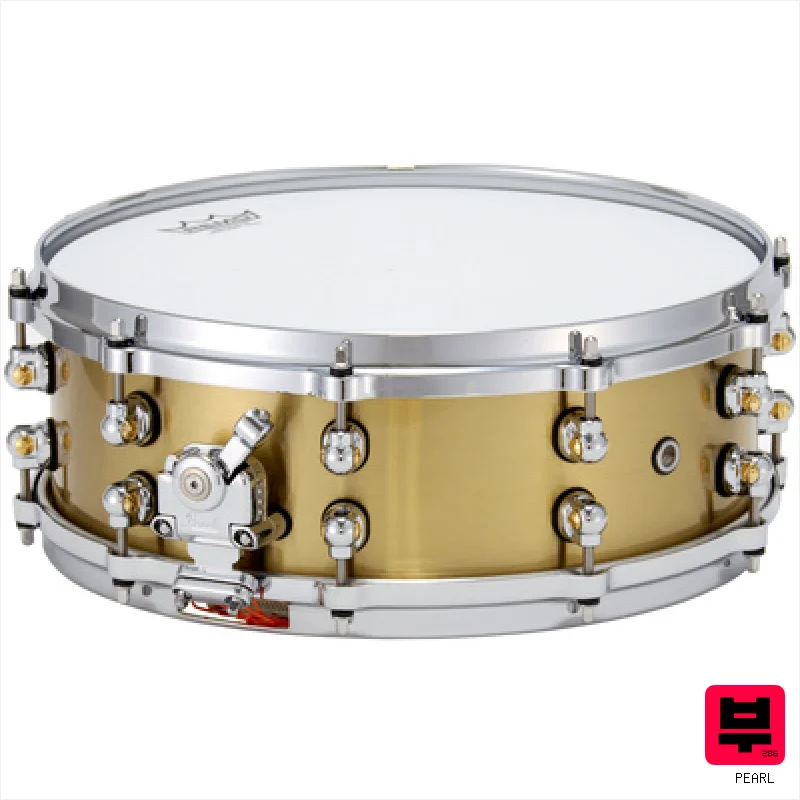
Pearl 14"x05" Reference One Brass
- • Heavy 3mm brass shell gives big, bright sound
- • MasterCast hoops add stiffness and durability
- • Glide-Lock strainer locks tight without slipping
- • Ultra-Sound wires help control the snare response
- • No listed weight makes it hard to judge balance
- • Ambassador heads are standard, not a custom option
- • Only one head type listed limits kit variety
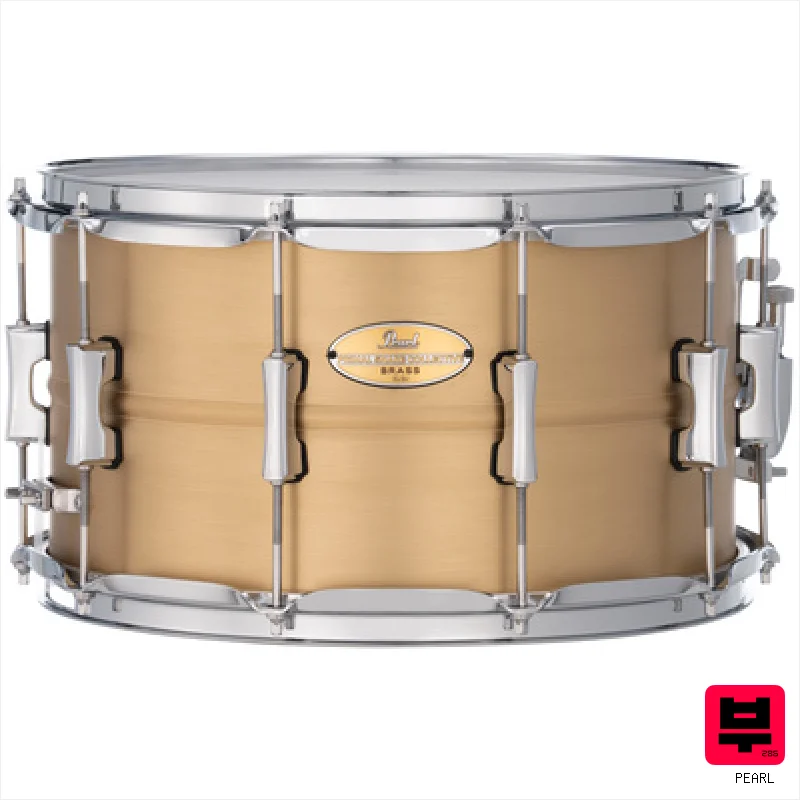
Pearl 14"x08" Primal Col. Brass SD
- • Bright tone with a quick response
- • Solid brass shell construction
- • 1 mm bead for controlled overtones
- • Triple-flanged hoops for stability
- • No weight specification listed
- • Limited to one shell color option
- • No mention of drumhead type
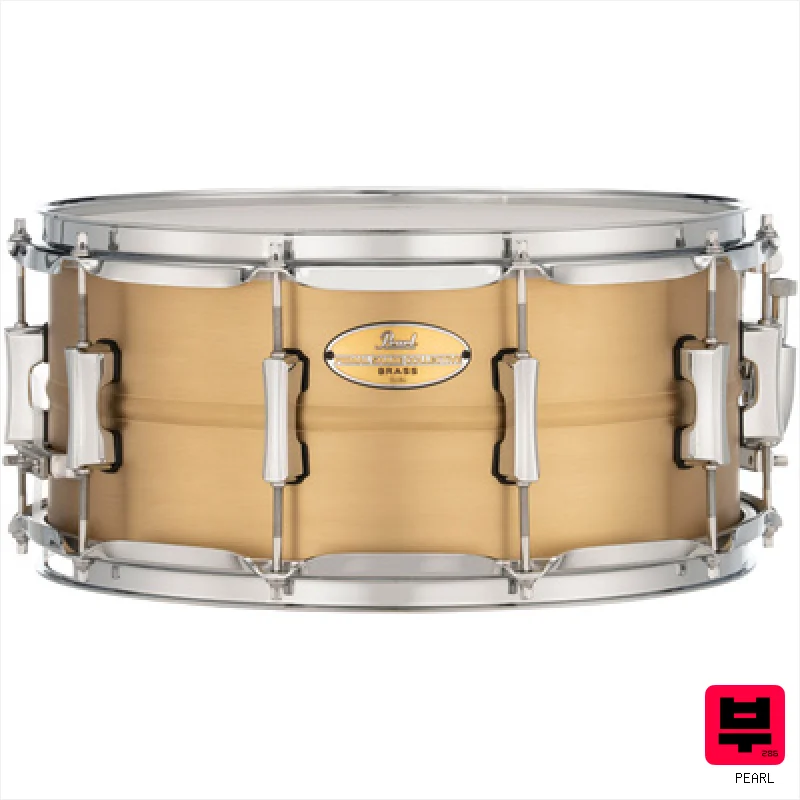
Pearl 14"x6,5" Primal Col. Brass SD
- • Brass shell gives a naturally bright and cutting tone
- • Triple-flanged hoops provide strong stability and sustain
- • Ten-hole strainer offers precise tension control options
- • Primal Collective design ensures quick response and attack
- • No specific shell thickness listed for this model
- • Dual lugs may feel heavier than single lug alternatives
- • Missing weight data makes carrying this drum uncertain
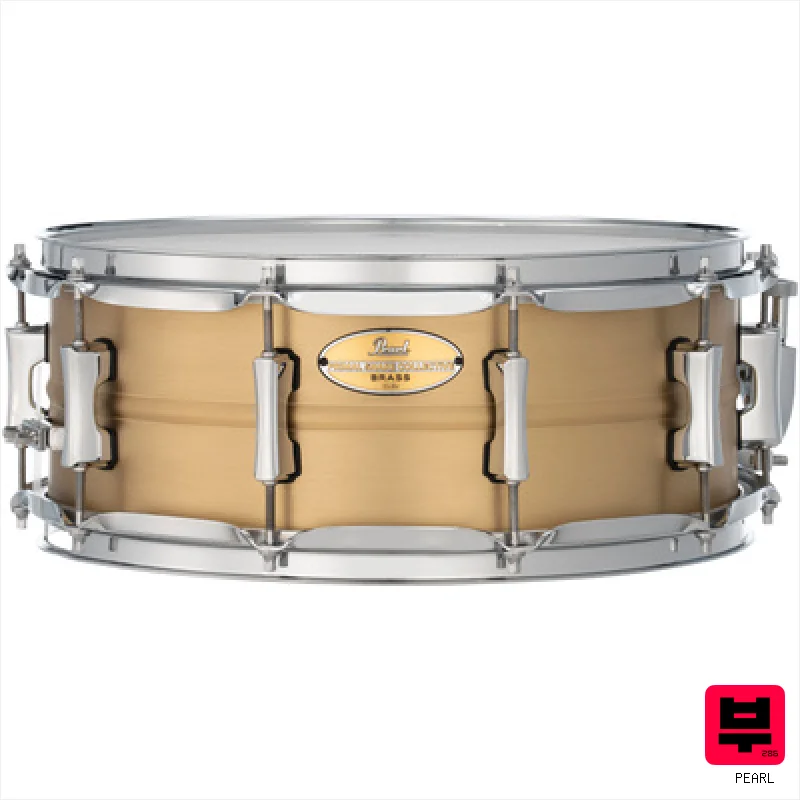
Pearl 14"x5,5" Primal Col. Brass SD
- • Bright tone with quick response
- • 1 mm bead adds snap
- • Triple-flanged hoops for stability
- • Ten-hole strainer setup included
- • No shell thickness listed
- • Lack of hardware details
- • No weight or depth specified
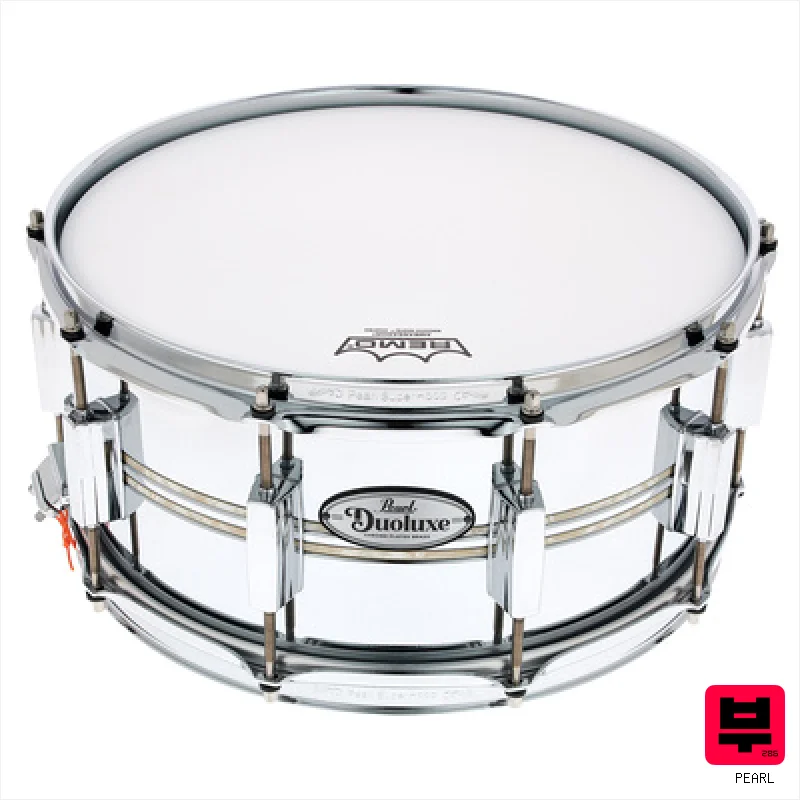
Pearl 14"x6,5" Sensitone Duoluxe
- • Inverted 1 mm brass shell delivers strong attack
- • Superhoop II tension hoop ensures stable tuning
- • Two bead design adds unique tonal character
- • Warm sound with soft overtones for room fill
- • Heavy chrome finish may add significant weight
- • Remo Ambassador heads limit sound customization
- • No specific tonal range mentioned in description
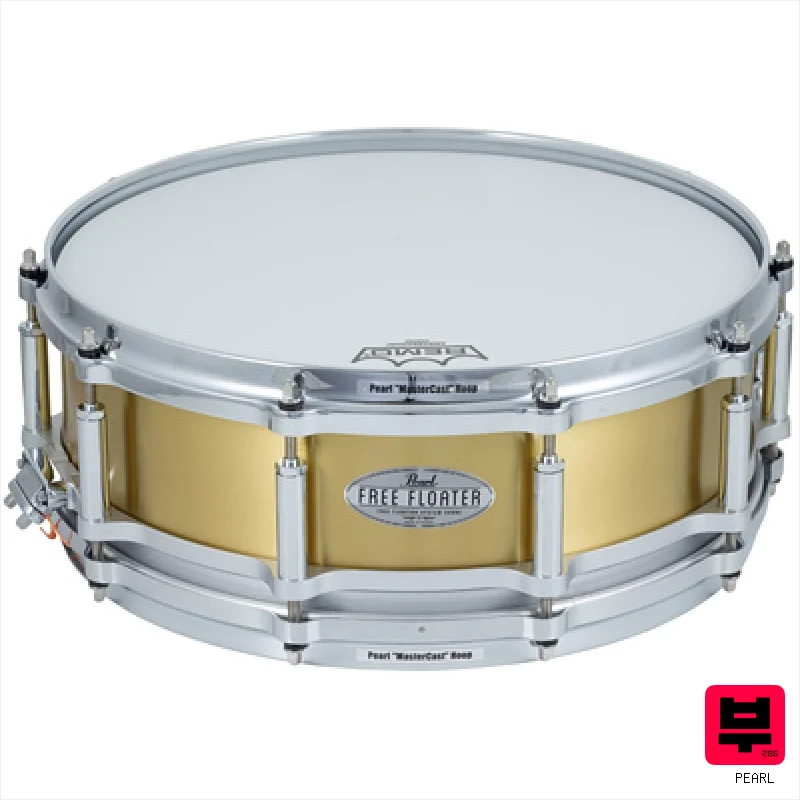
Pearl 14"x5" Free Floating Brass
- • 1 mm brass shell offers bright, cutting tone
- • Free floating lugs let the shell vibrate freely
- • Chrome hardware adds a crisp, bright feel
- • Die cast hoops ensure tight, controlled response
- • No holes in shell blocks resonance slightly
- • Single 5 mm depth limits depth options
- • No strainer mechanism mentioned in specs
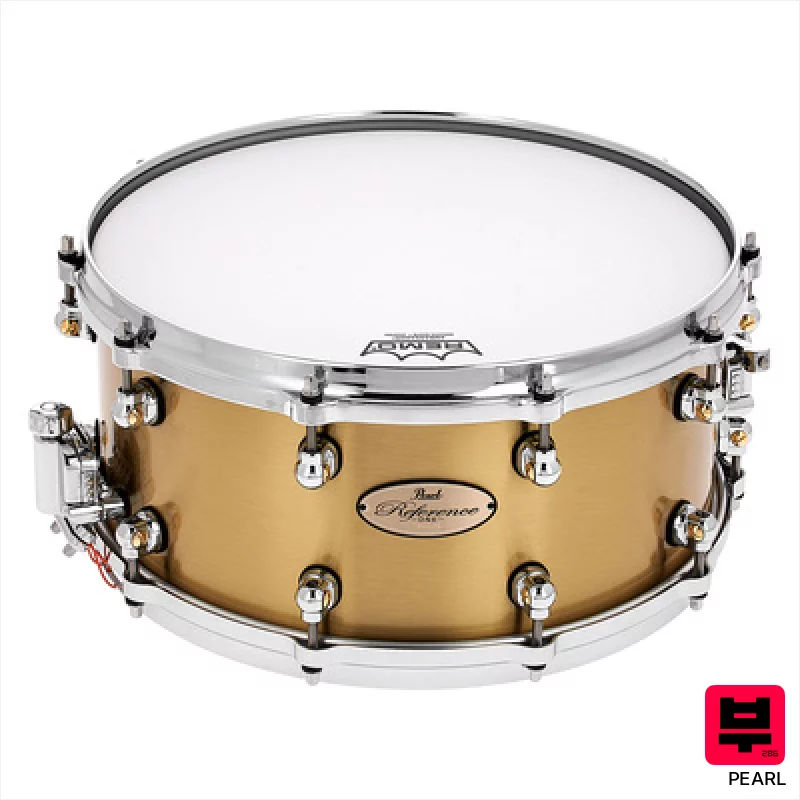
Pearl 14"x6,5" Reference One Brass
- • Exceptional projection and warmth thanks to the 3mm brass shell.
- • MasterCast hoops deliver increased sensitivity and resonance.
- • STL-100 lugs provide secure tuning and a refined aesthetic.
- • SR-1000 strainer ensures smooth, reliable, and quiet operation.
- • Premium-priced, placing it out of reach for many beginner drummers.
- • The deep shell can be slightly less versatile for very quiet, nuanced playing.
- • Weight (around 1.3 lbs) might be a factor for younger or less physically strong players.
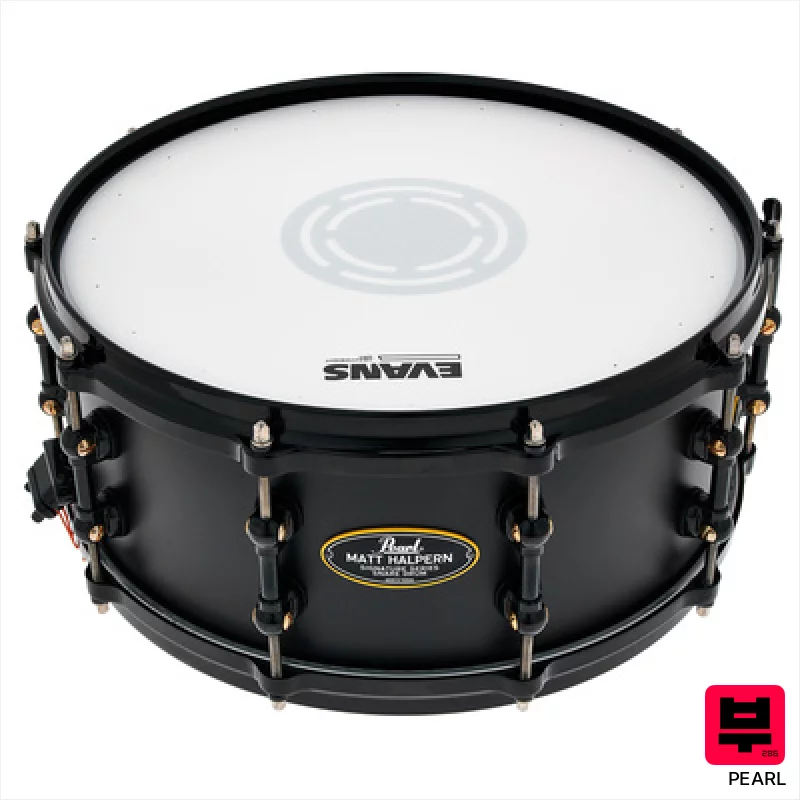
Pearl 14"x06" Matt Halpern Signature
- • 1.5mm brass shell delivers a crisp, responsive, and cutting tone.
- • MasterCast hoops enhance tuning stability and projection significantly.
- • STL lugs and Click-Lock strainer offer smooth, reliable hardware performance.
- • Air balance holes provide a surprisingly controlled, less overbearing resonance.
- • The 6-inch depth limits low-end thump; leans towards higher frequencies.
- • Premium-priced, making it a significant investment for many drummers.
- • Matte black finish can be prone to fingerprints and smudging.
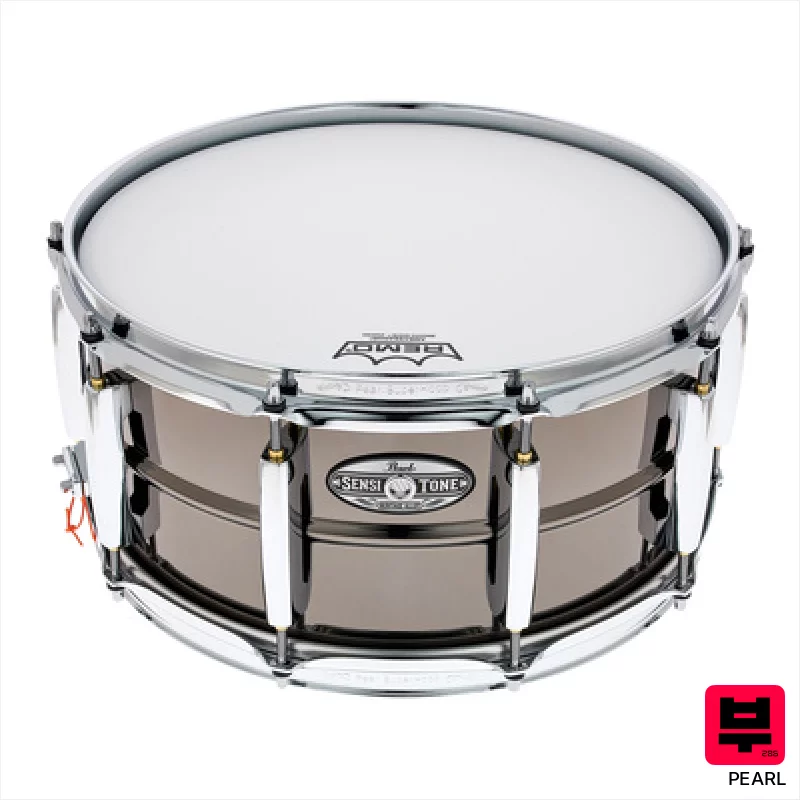
Pearl 14"x6,5" Sensitone Brass
- • Heritage Bronze alloy delivers a warm, complex, vintage-inspired tone
- • Superhoop II hoops offer improved resonance and stick articulation
- • CL-Bridge lugs provide secure tuning and minimize shell vibration
- • Solid, well-built hardware demonstrates Pearl's reputation for quality
- • The 1mm shell can be a bit too sensitive for heavier hitters
- • Black Nickel finish, while attractive, can be prone to minor scratches
- • The Sensitone series isn’t the absolute loudest or most cutting snare
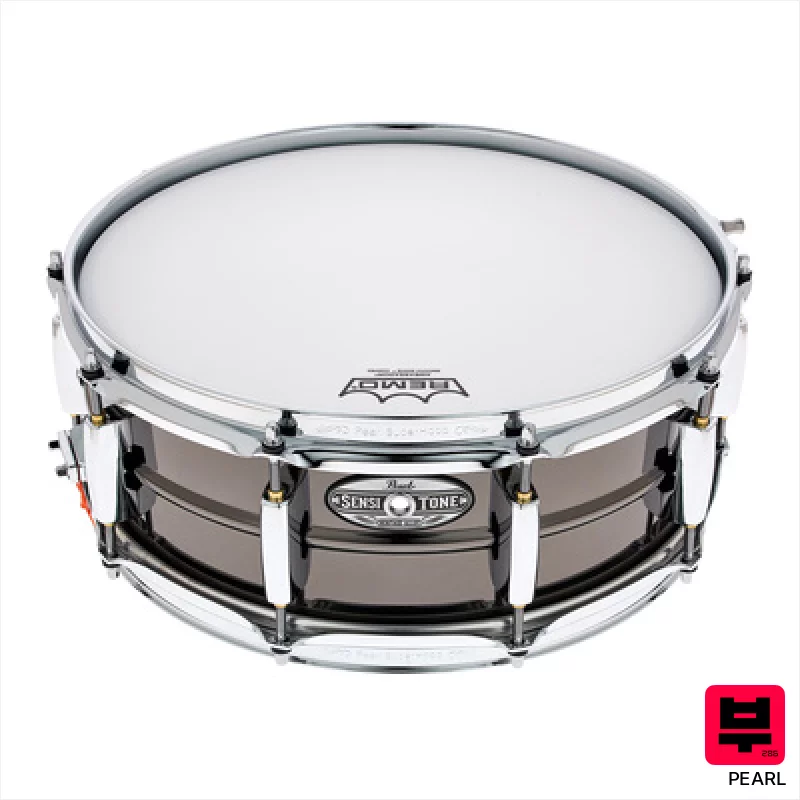
Pearl 14"x05" Sensitone Brass
- • Heritage Brass alloy delivers a warm, resonant, vintage tone.
- • Superhoop II hoops offer improved stick articulation and durability.
- • CL-Bridge lugs provide secure head attachment and dampened overtones.
- • The 0.5” depth creates a crisp, focused crack and sensitivity.
- • The 1mm shell can feel a bit thin compared to thicker snare drums.
- • Black Nickel finish can be prone to fingerprints and smudging.
- • The SR017 strainer is functional, but a higher-end option would be preferable.
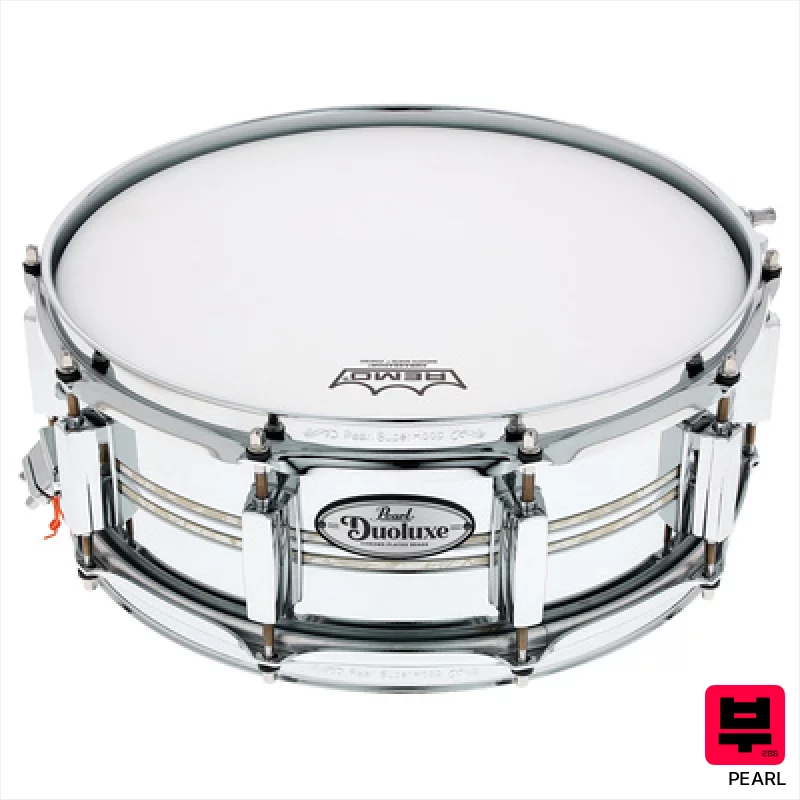
Pearl 14"x05" Sensitone Duoluxe
- • The 1mm inverted brass shell delivers a warm, focused, and resonant tone.
- • Superhoop II hoops offer increased rim sensitivity and enhanced durability.
- • Nicotine White Marine Pearl inlays add a touch of visual flair and sophistication.
- • CL-Bridge lugs provide secure head attachment and a clean, professional aesthetic.
- • The heavier brass construction might be fatiguing for extended playing sessions.
- • The sound, while versatile, leans towards warmer tones, limiting extreme high-frequency needs.
- • The price point places it in a premium-priced category, potentially excluding some players.
14" Brass Snare Drums by the numbers
Measured across all 55 models in this category, so «wide», «short» or «expensive» mean something you can check.
How to Choose the Best 14" Brass Snare Drums
Shell Thickness
Pearl's brass snares often fall in that sweet spot - typically around 12-ply, which gives you a good balance of weight, responsiveness, and sustain. Too thin and they'll sound flimsy; too thick and they lose some of that lively articulation.
Bearing Edge
This is critical. Pearl's consistently excellent bearing edges - often a 30-degree cut - are a huge factor in their tone. They allow for a wider tuning range and contribute to that crisp, defined attack. It's not just about the angle, but the precision of the cut, and Pearl nails it.
Lugs & Hardware
Pearl's hardware is generally solid. Their tube lugs aren't the flashiest, but they're functional and distribute pressure evenly, minimizing dampening. The strainer action is smooth and reliable - a small thing, but those little details matter when you're in the heat of a gig.
Rim Type
Whether it's a standard, die-cast, or their more premium options, the rim significantly affects the snare's sensitivity and projection. The die-cast rims generally offer more crack and sustain, while the more expensive options might have a more controlled, focused tone.
Finish & Durability
Pearl's finishes are usually bombproof, which is a huge plus for gigging drummers. You're not going to worry about chipping the finish after a few gigs. The hardware is also well-built to withstand the rigors of touring - a real benefit compared to some of the cheaper options out there.
Buying Guide
Don't get hung up on the finish - it's purely cosmetic. Focus on the shell construction and bearing edge. Higher-end Pearl brass snares often feature hand-hammered interiors, which can add a layer of complexity to the tone and a bit more warmth. Be honest about your playing style; if you're a heavy hitter, you might prefer a slightly thicker shell to handle the abuse and maintain its tone over time.
How This List Is Built
We don't play these instruments — we're a catalog, not a review desk, and we'd rather say so than pretend otherwise. This page covers 11 of 55 14" brass snare drums from the Thomann catalogue, which is the largest single source of specification data in this category: 11 in detail, the rest listed with their specifications.
Position is computed, not curated. We parse the manufacturer's own description into actual values — nut width, scale, fret count, fingerboard radius, size, alloy — and rank on them: how many specifications a model has published, how many of them are measurable numbers, and how precisely it meets this page's criterion. A product image adds a little. Price is not a ranking signal: it tells you nothing about whether a neck fits your hand. The same inputs always produce the same order, so nothing here is shuffled to look fresh.
What this list is good for: narrowing a category down to a shortlist by spec and budget. What it isn't: a substitute for hearing an instrument. Before you buy, read hands-on reviews and, where you can, play it. Full methodology.

