
Best 13" Brass Snare Drums Under $2,000 2026
Alright, so you're after that buttery brass crack, that warm, responsive feel, but your wallet isn't screaming for a custom job. 13" brass snares are a sweet spot - plenty of projection without being overwhelming, and the right brass can really sing. Finding one that delivers serious bang-for-the-buck under $2000 takes some digging, but it's absolutely doable. Let's break down what to look for.
Last updated: April 11, 2026

Sonor SSD 13"x5,75" Brass BG 2.0
- • The 1.2mm brass shell delivers a bright, responsive, and articulate tone.
- • Dual-Glide strainer provides incredibly smooth and precise snare tension adjustments.
- • 2.3mm power hoops offer enhanced durability and focused resonance.
- • Vintage brass finish with the stripe adds a distinctive, premium aesthetic appeal.
- • The heavier brass construction might be fatiguing for extended playing.
- • The focused tone may not be ideal for all genres; lacks broad versatility.
- • Premium-priced, representing a significant investment for many drummers.
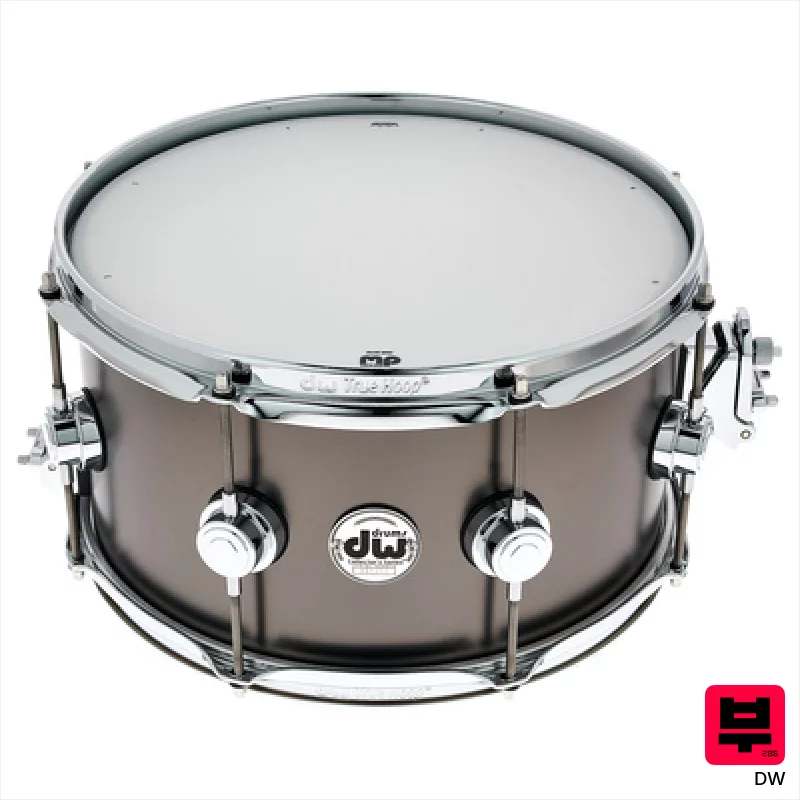
DW 13"x07" SB over Brass Snare
- • Exceptional brass tone with focused crack and warm low-end.
- • DW's MAG throw-off is incredibly reliable and quiet.
- • The 1mm shell offers surprising sensitivity and responsiveness.
- • TruePitch rods ensure even head tension and tuning stability.
- • The thin shell can be prone to denting with rough handling.
- • Satin Black finish shows fingerprints and smudges easily.
- • The 7” depth limits its versatility for very low-frequency applications.

Sonor 13"x07" Kompressor Brass Snare
- • Exceptional brass tone with focused crack and warm resonance.
- • Robust, expertly welded shell provides excellent durability.
- • TuneSafe lugs prevent accidental detuning – a real pro feature.
- • Black nickel finish offers a unique aesthetic and resists fingerprints.
- • The 7” depth limits low-end response; not ideal for heavier genres.
- • Premium-priced; a significant investment for many drummers.
- • Black nickel finish, while stylish, can be prone to minor wear over time.

Yamaha Recording Custom 13"x6,5" BR
- • Bright, crisp tone thanks to the 1.2mm brass shell
- • Dyna hoops offer excellent resonance and durability
- • 25-string wires provide a sensitive, cracky response
- • Yamaha Q strainer ensures reliable, precise snare control
- • Hairline finish is prone to fingerprints and scratches
- • Limited versatility; excels in specific genres, less so in others
- • Might be a bit bright for drummers seeking a warmer sound
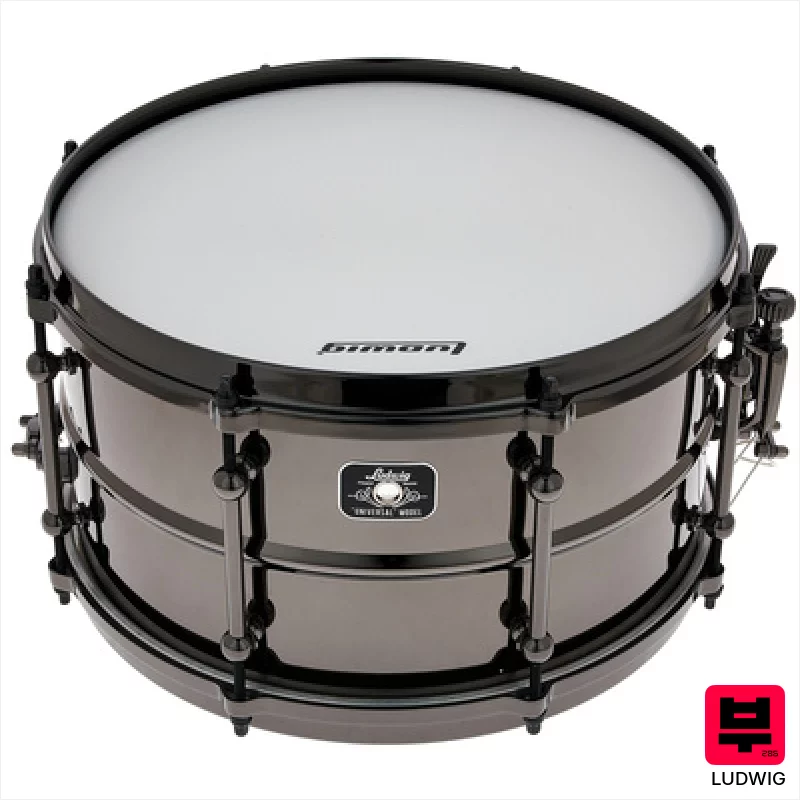
Ludwig 13"x07" Universal Brass Snare
- • Bright, cutting tone with a warm brass undertone.
- • Die-cast hoops offer excellent resonance and durability.
- • P88i strainer provides smooth, reliable snare action.
- • Ludwig’s tube lugs ensure even tension and a responsive feel.
- • The Black-Nickel finish can show fingerprints easily.
- • Universal models lack some of the premium features of higher-tier Ludwigs.
- • Shell thickness might be too thin for players wanting a very dry, controlled sound.

Pearl B1330 13"x03" Piccolo Snare
- • The brass shell delivers a bright, crisp tone with excellent articulation.
- • Cream finish provides a unique aesthetic and subtle warmth to the sound.
- • Pearl’s Powerhoop hoops enhance resonance and projection significantly.
- • Compact size makes it ideal for close-mic’d recording and tighter kits.
- • Piccolo snares inherently lack the low-end thump of larger drums.
- • The thin shell can be sensitive to playing dynamics – requires finesse.
- • Cream finish may show fingerprints and require more frequent cleaning.
13" Brass Snare Drums by the numbers
Measured across all 6 models in this category, so «wide», «short» or «expensive» mean something you can check.
How to Choose the Best 13" Brass Snare Drums
Shell Thickness
Thicker shells (around 12-14 plies) will give you more crack and sustain, but can feel a little less responsive. Thinner shells (8-11 plies) are more sensitive to your playing, but might lack some serious thump. It's about finding the balance for your style.
Brass Alloy
202 brass is warmer and more mellow, great for recording and a more vintage vibe. 204 brass is brighter and more cutting, ideal for cutting through a loud band. 250 brass sits somewhere in between - a good all-rounder.
Bearing Edge Profile
A rounded bearing edge will mellow the tone and increase sustain. A sharper, more defined edge will focus the attack and give you more crack. This is a huge tonal differentiator.
Hardware Quality
Let's be real, at this price point, hardware can be a weak point. Look for well-machined lugs and a responsive strainer. Chrome plating is a given, but check for any signs of cheap tooling or sloppy finishing.
Finish & Resonant Frequencies
A dry, satin finish will generally result in a more controlled, less ringy tone. Some snares have inherent resonant frequencies that can either enhance or detract from the overall sound - listen for unwanted overtones.
Buying Guide
Don't expect miracles at this price. You're trading some bespoke craftsmanship for affordability. Hardware might be a compromise - upgrading the lugs and strainer down the line is a common upgrade. Pay close attention to the bearing edge - it's the biggest tonal factor. And remember, what sounds amazing in a YouTube video might not cut through your band's wall of guitars; listen for articulation and how it sits in a mix.
How This List Is Built
We don't play these instruments — we're a catalog, not a review desk, and we'd rather say so than pretend otherwise. This page covers 6 13" brass snare drums from the Thomann catalogue, which is the largest single source of specification data in this category: 6 in detail, the rest listed with their specifications.
Position is computed, not curated. We parse the manufacturer's own description into actual values — nut width, scale, fret count, fingerboard radius, size, alloy — and rank on them: how many specifications a model has published, how many of them are measurable numbers, and how precisely it meets this page's criterion. A product image adds a little. Price is not a ranking signal: it tells you nothing about whether a neck fits your hand. The same inputs always produce the same order, so nothing here is shuffled to look fresh.
What this list is good for: narrowing a category down to a shortlist by spec and budget. What it isn't: a substitute for hearing an instrument. Before you buy, read hands-on reviews and, where you can, play it. Full methodology.

