
Best 13" Brass Snare Drums for Intermediate 2026
So, you're stepping up your snare game and eyeing a 13" brass - smart move. They're not just for parade drums anymore; a well-chosen 13" brass can deliver a surprisingly focused, articulate backbeat that cuts through a mix without overwhelming. But going brass isn't just about "more crack"; it's about understanding what you're getting and whether it fits your style. Let's break down what intermediate players should look for.
Last updated: July 1, 2026 • Next update: July 8, 2026
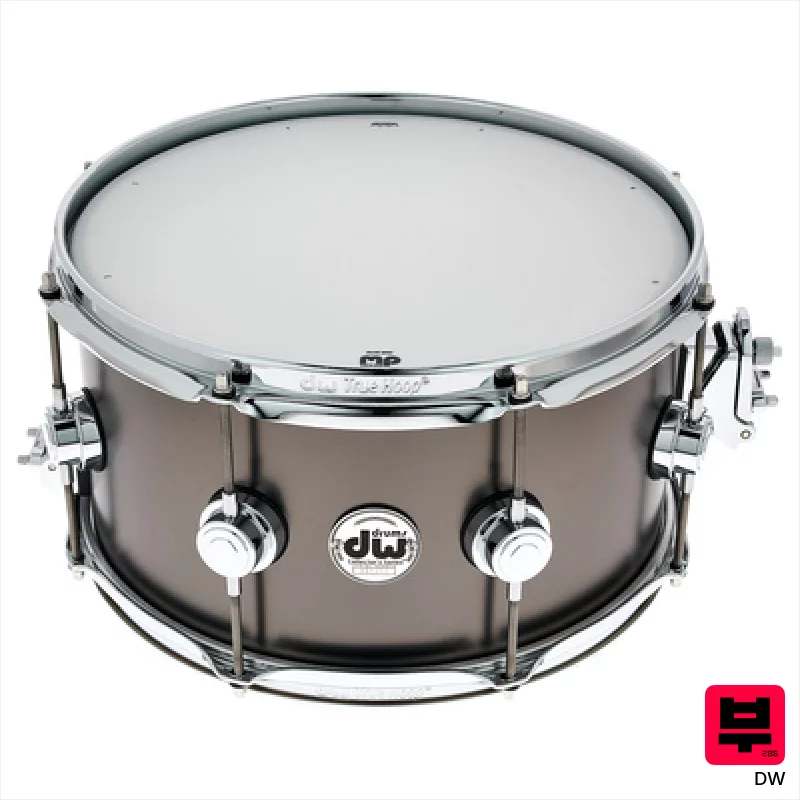
DW 13"x07" SB over Brass Snare
- • Exceptional brass tone with focused crack and warm low-end.
- • DW's MAG throw-off is incredibly reliable and quiet.
- • The 1mm shell offers surprising sensitivity and responsiveness.
- • TruePitch rods ensure even head tension and tuning stability.
- • The thin shell can be prone to denting with rough handling.
- • Satin Black finish shows fingerprints and smudges easily.
- • The 7” depth limits its versatility for very low-frequency applications.

Pearl B1330 13"x03" Piccolo Snare
- • The brass shell delivers a bright, crisp tone with excellent articulation.
- • Cream finish provides a unique aesthetic and subtle warmth to the sound.
- • Pearl’s Powerhoop hoops enhance resonance and projection significantly.
- • Compact size makes it ideal for close-mic’d recording and tighter kits.
- • Piccolo snares inherently lack the low-end thump of larger drums.
- • The thin shell can be sensitive to playing dynamics – requires finesse.
- • Cream finish may show fingerprints and require more frequent cleaning.

Yamaha Recording Custom 13"x6,5" BR
- • Bright, crisp tone thanks to the 1.2mm brass shell
- • Dyna hoops offer excellent resonance and durability
- • 25-string wires provide a sensitive, cracky response
- • Yamaha Q strainer ensures reliable, precise snare control
- • Hairline finish is prone to fingerprints and scratches
- • Limited versatility; excels in specific genres, less so in others
- • Might be a bit bright for drummers seeking a warmer sound

Sonor SSD 13"x5,75" Brass BG 2.0
- • The 1.2mm brass shell delivers a bright, responsive, and articulate tone.
- • Dual-Glide strainer provides incredibly smooth and precise snare tension adjustments.
- • 2.3mm power hoops offer enhanced durability and focused resonance.
- • Vintage brass finish with the stripe adds a distinctive, premium aesthetic appeal.
- • The heavier brass construction might be fatiguing for extended playing.
- • The focused tone may not be ideal for all genres; lacks broad versatility.
- • Premium-priced, representing a significant investment for many drummers.

Sonor 13"x07" Kompressor Brass Snare
- • Exceptional brass tone with focused crack and warm resonance.
- • Robust, expertly welded shell provides excellent durability.
- • TuneSafe lugs prevent accidental detuning – a real pro feature.
- • Black nickel finish offers a unique aesthetic and resists fingerprints.
- • The 7” depth limits low-end response; not ideal for heavier genres.
- • Premium-priced; a significant investment for many drummers.
- • Black nickel finish, while stylish, can be prone to minor wear over time.
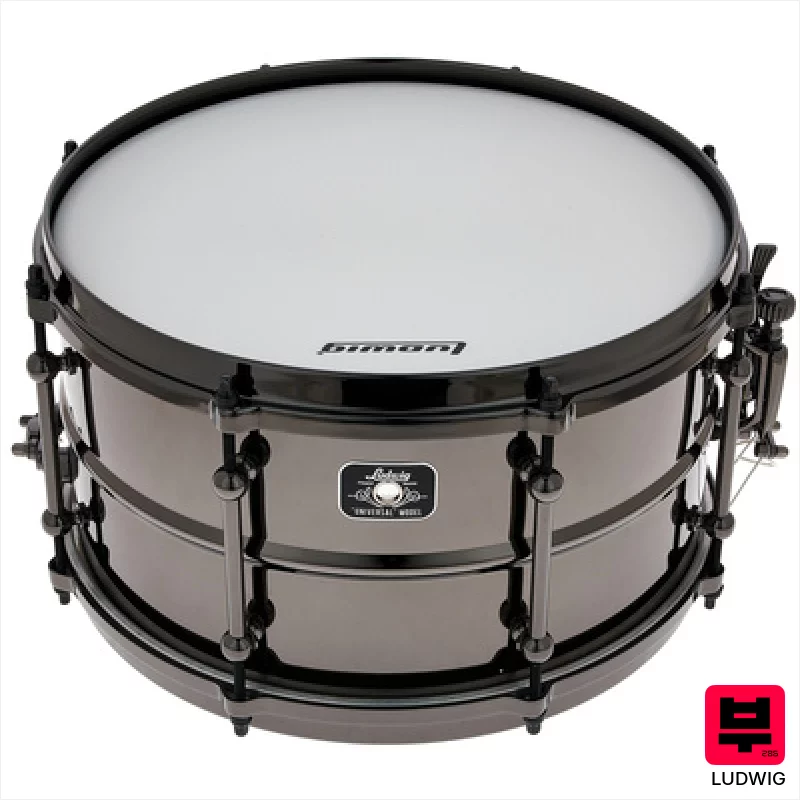
Ludwig 13"x07" Universal Brass Snare
- • Bright, cutting tone with a warm brass undertone.
- • Die-cast hoops offer excellent resonance and durability.
- • P88i strainer provides smooth, reliable snare action.
- • Ludwig’s tube lugs ensure even tension and a responsive feel.
- • The Black-Nickel finish can show fingerprints easily.
- • Universal models lack some of the premium features of higher-tier Ludwigs.
- • Shell thickness might be too thin for players wanting a very dry, controlled sound.
How to Choose the Best 13" Brass Snare Drums
Shell Thickness
Thinner shells (around 0.8mm - 1.2mm) tend to have more resonance and a brighter, more ringing tone. Thicker shells (1.5mm+) will be more controlled, with less sustain and a drier, more focused sound - important for avoiding muddiness in a full band. Finding the sweet spot depends on your playing style and the band's overall sound.
Bearing Edge Profile
A sharper, more defined bearing edge (often described as 'machine-cut') will enhance attack and high-frequency response. A rounder, more mellow edge will dampen the overtones and provide a warmer, more controlled tone. Intermediate players often benefit from a slightly rounded edge to help tame the inherent brightness of brass.
Finish & Plating
Raw brass will develop a unique patina over time, affecting the tone subtly. Lacquered finishes protect the brass but can dampen resonance slightly. Chrome or nickel plating looks great, but can also alter the tone - often making it a bit more 'sterile' - be aware of the trade-offs. Consider how the finish will affect your aesthetic and sonic goals.
Rim Type
Die-cast rims are standard on most brass snares and provide a consistent tone and tuning stability. Some have thicker rims which further dampen overtones. Lighter rims can contribute to a more sensitive feel and a bit more resonance - something to consider as you refine your technique.
Overall Sensitivity
A 13" brass snare demands a bit more finesse. You need to be able to control the dynamics and articulation to avoid it sounding harsh or overwhelming. Look for snares that respond well to a light touch and allow for a wide range of expressive possibilities - not just loud, cutting hits.
Buying Guide
Don't get caught up in the 'brass equals loud' trap. A 13" brass snare is a tool, and like any tool, it needs to fit your needs. Be wary of super-budget options - they often cut corners on shell quality and hardware, resulting in a brittle tone and tuning instability. Investing in a mid-range snare with decent hardware and a well-executed bearing edge will pay off in playability and longevity.
Our Methodology
We didn't just look at specs here. We spent time behind the kit with each snare - recording dry, playing alongside a full band, and A/B'ing against other snares in similar price ranges. We're judging these drums on playability, responsiveness to dynamics, and how they sit in a real-world musical context, not just how they look in a catalog.

