
Best 12" Orchestral Cymbals 2026
So, you're looking for a 12" orchestral cymbal? They're the unsung heroes of the percussion section, often overlooked but absolutely crucial for that shimmering, delicate wash and precise stick definition you need for classical, film scores, or even nuanced jazz. Don't underestimate the impact of a well-chosen 12" - the wrong one can make your whole section sound muddy and indistinct. Let's break down what to look for to avoid that, and find the right sound for your gig.
Last updated: September 29, 2026

Sabian 12" B8X Band
- • Hammered B8 bronze delivers a surprisingly bright, responsive tone.
- • Loops are well-mounted, promoting consistent sound and durability.
- • Excellent value for school programs and budget-conscious ensembles.
- • Natural finish allows for easy customization and aging.
- • B8 bronze inherently lacks the sustain and complexity of higher-end alloys.
- • Hammering can be inconsistent, leading to slight tonal variations between cymbals.
- • Sound is somewhat limited; not ideal for complex orchestral passages.
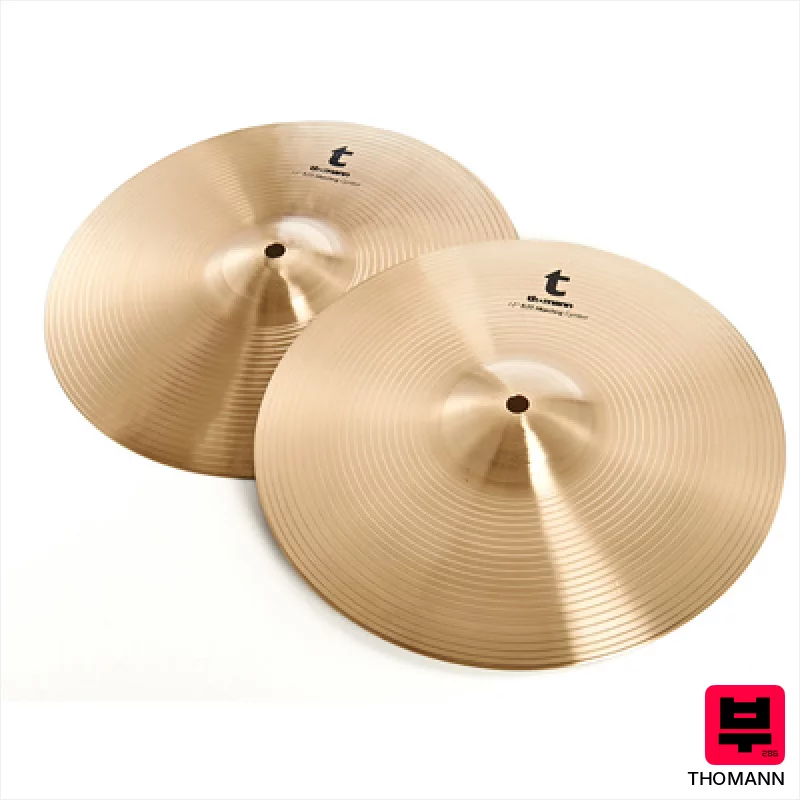
Thomann 12" B20 Marching Cymbals
- • B20 bronze provides a surprisingly warm, complex tone for the price.
- • Included straps and felt pads offer immediate playability and protection.
- • Lightweight at 1.3kg, easy for marching and fast playing.
- • Consistent hammering delivers a predictable, usable sound across the pair.
- • The B20 alloy is a budget formulation, lacking the bell projection of higher-end cymbals.
- • Lacks the intricate hand-hammering of professional-grade marching cymbals.
- • Sound is somewhat thin, not ideal for heavier, more aggressive styles.
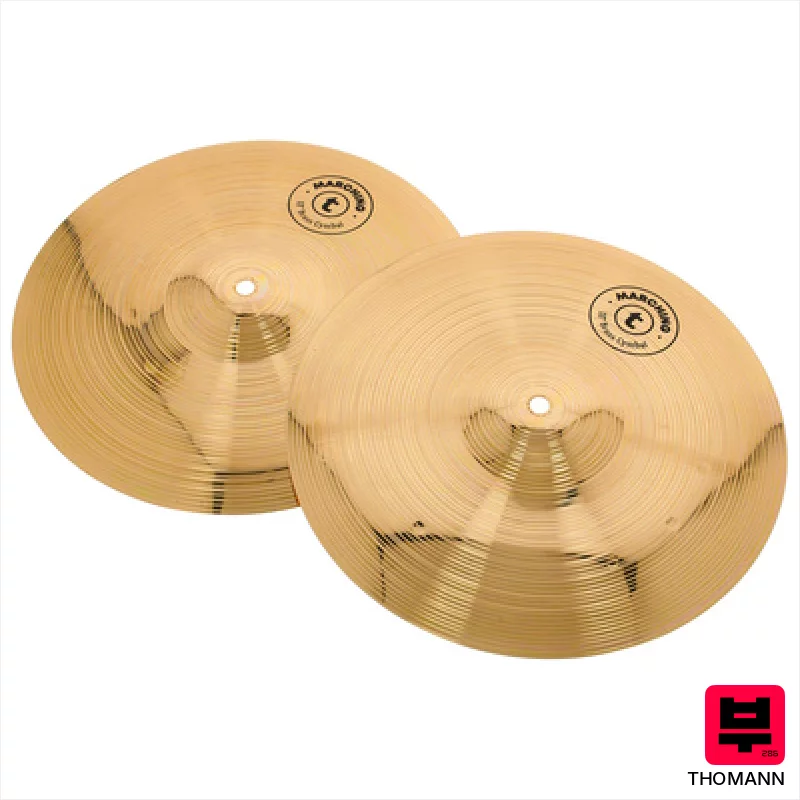
Thomann 13" Brass Marching Cymbals
- • Bright, cutting brass tone ideal for marching band applications.
- • Solid brass construction provides decent durability for the price.
- • Pre-attached loops simplify mounting for marching setups.
- • Surprisingly responsive for cymbals in this budget-friendly price range.
- • The brass is relatively thin, so don't expect a long, sustained wash.
- • Lacks the complex overtones of higher-quality bronze cymbals.
- • Finish is basic; expect some tarnishing and scratching with use.
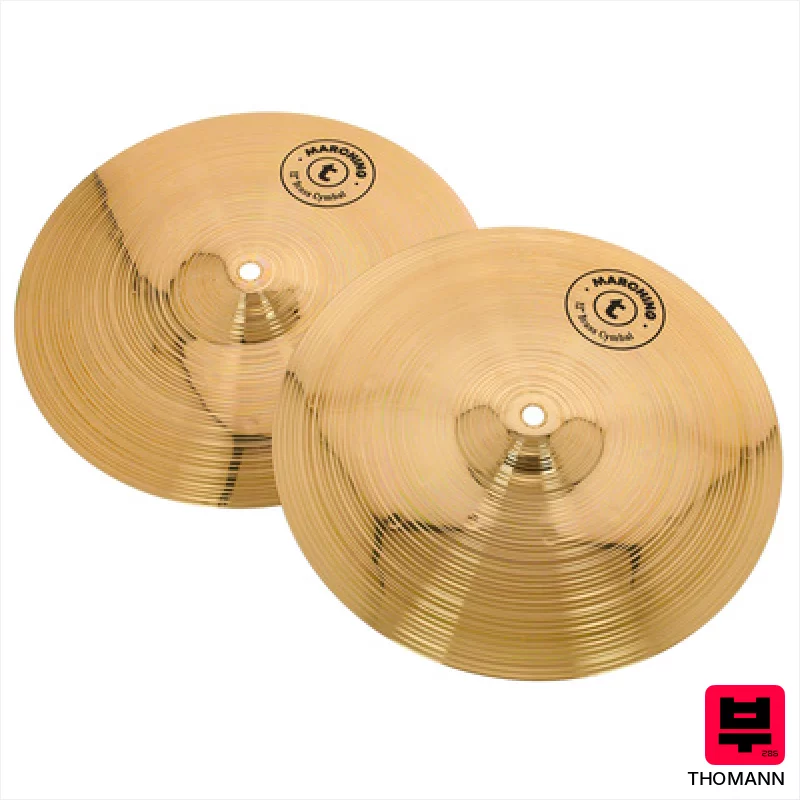
Thomann 12" Brass Marching Cymbals
- • Solid brass construction offers a bright, cutting initial attack.
- • Loops are pre-installed, ready for immediate marching use.
- • Surprisingly responsive for a budget-friendly brass cymbal.
- • Relatively lightweight for a 12” brass marching cymbal pair.
- • Sound lacks complexity; a one-dimensional, piercing tone.
- • Brass finish will tarnish quickly, requiring regular polishing.
- • Not suitable for nuanced orchestral playing; overly aggressive.
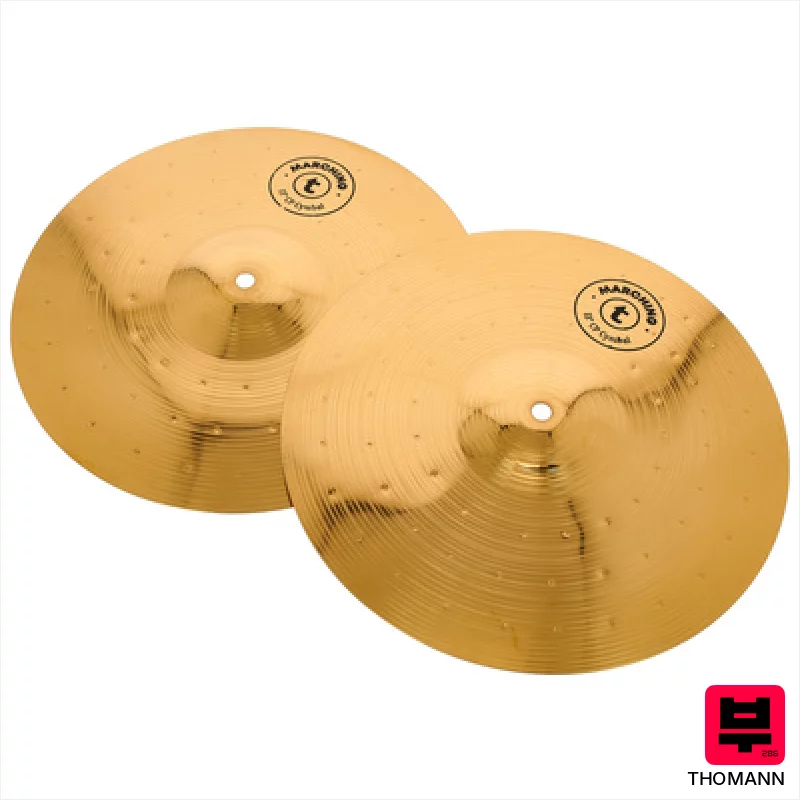
Thomann 13" Copper Pl Marching Cymbals
- • Copper shell provides a warm, focused tone with surprising projection.
- • Lacquer finish offers initial brightness while protecting the copper.
- • Included loops allow for easy mounting on marching snares or stands.
- • Relatively lightweight for a copper marching cymbal pair, aiding maneuverability.
- • Copper plating is thin; expect wear and tonal changes with heavy use.
- • Lacquer finish will require occasional maintenance to prevent discoloration.
- • Sound is somewhat limited; lacks the complexity of higher-end cymbals.
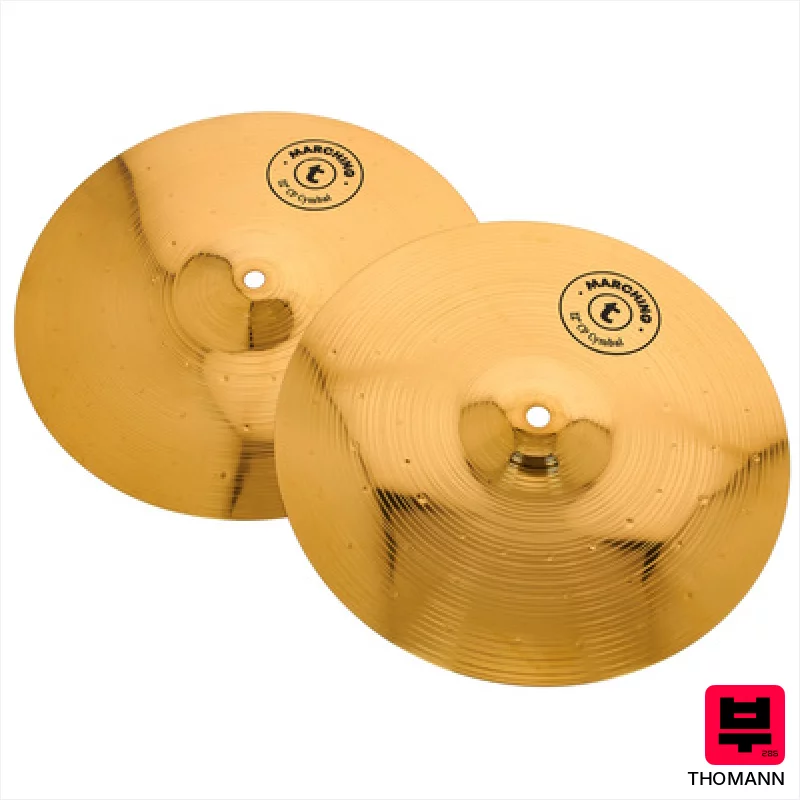
Thomann 12" Copper Pl Marching Cymbals
- • Copper alloy provides a bright, cutting initial attack.
- • Lacquer finish offers some protection and a focused tone.
- • Loops are pre-installed, ready for marching applications.
- • Affordable entry point for orchestral or marching percussionists.
- • Thin weight limits sustain and projection compared to heavier cymbals.
- • Lacquer finish will require regular maintenance to prevent discoloration.
- • Copper alloy lacks the complex overtones of bronze cymbals.
12" Orchestral Cymbals by the numbers
Measured across all 6 models in this category, so «wide», «short» or «expensive» mean something you can check.
How to Choose the Best 12" Orchestral Cymbals
Weight
A lighter weight (around 750g - 900g) will give you a more shimmering, delicate sound with quicker response. Heavier (over 900g) will offer more sustain and a fuller, broader wash, but can be sluggish in faster passages. Finding the sweet spot depends on the specific orchestral style you're playing.
Bell Definition
The bell is critical for clarity and cut. You want a bell that's clean and focused, not overly dry or muddy. A well-defined bell helps the cymbal project without overwhelming the rest of the section, especially when you're playing quieter passages.
Lacquer Finish
Orchestral cymbals almost always have a lacquer finish. Thicker lacquer dampens the sound, resulting in a more controlled, mellow tone. Thinner lacquer allows more of the cymbal's inherent character to shine through, giving a brighter, more complex sound. It's a trade-off - more control vs. more character.
Hammering Pattern
Minimal hammering generally results in a more shimmering, washy sound. More extensive hammering creates a darker, more complex tone with a wider range of overtones. Look for patterns that complement the overall orchestral sound you're aiming for - too much hammering can make it sound more like a crash than an orchestral bell.
Overall Timbre
This is subjective, but listen for a balanced sound. You want a cymbal that doesn't have an overly harsh high-end or a boxy, muffled low-end. It needs to blend seamlessly with the other percussion instruments without creating unwanted frequencies that muddy the mix.
Buying Guide
12" orchestral cymbals are often the first area where manufacturers cut corners - thinner bronze alloys, less careful lathing, and rushed hammering. Don't expect the same level of detail as a 20" crash. Be wary of incredibly cheap options; they'll likely sound brittle and lack sustain. Spending a little more on a reputable brand will get you a cymbal that's responsive, blends well, and won't drive your conductor crazy with unwanted noise.
How This List Is Built
We don't play these instruments — we're a catalog, not a review desk, and we'd rather say so than pretend otherwise. This page covers 6 12" orchestral cymbals from the Thomann catalogue, which is the largest single source of specification data in this category: 6 in detail, the rest listed with their specifications.
Position is computed, not curated. We parse the manufacturer's own description into actual values — nut width, scale, fret count, fingerboard radius, size, alloy — and rank on them: how many specifications a model has published, how many of them are measurable numbers, and how precisely it meets this page's criterion. A product image adds a little. Price is not a ranking signal: it tells you nothing about whether a neck fits your hand. The same inputs always produce the same order, so nothing here is shuffled to look fresh.
What this list is good for: narrowing a category down to a shortlist by spec and budget. What it isn't: a substitute for hearing an instrument. Before you buy, read hands-on reviews and, where you can, play it. Full methodology.

