
Best 12" China Cymbals Under $500 2026
Alright, let's talk China cymbals. You need that splashy, trashy accent, but you're not dropping five hundred bucks on a single piece. A 12" China is a great size - big enough to get some real wash and character, but small enough to articulate without getting totally lost in the mix. We're focusing on value here; getting the most usable sound without breaking the bank.
Last updated: April 11, 2026
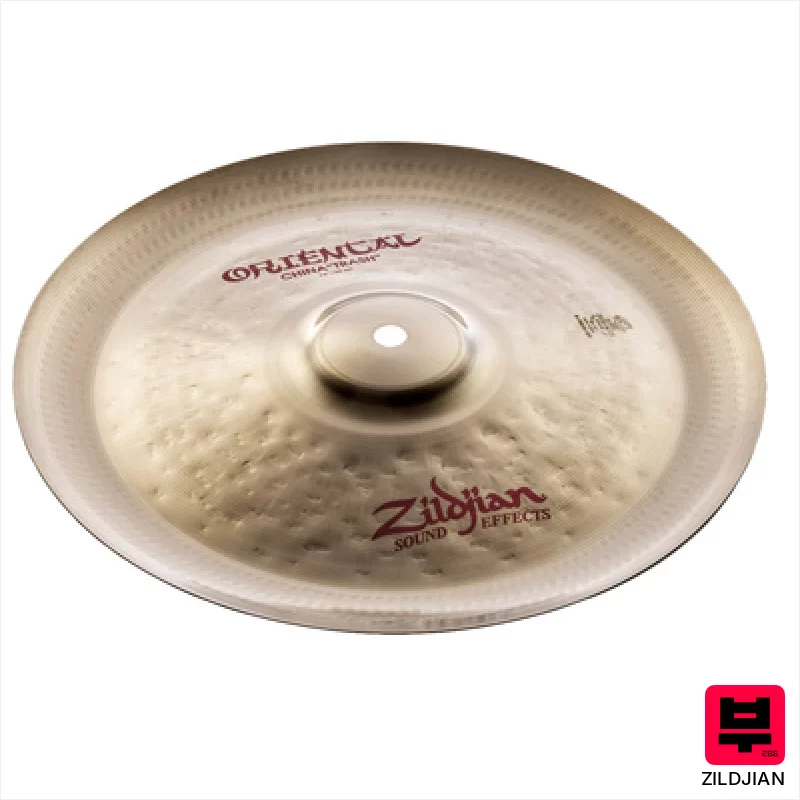
Zildjian 12" Oriental China Trash
- • The brilliant finish offers excellent visual appeal on stage.
- • Quick response makes it highly controllable for nuanced playing.
- • Its explosive sound cuts through dense mixes effectively.
- • The short decay prevents washiness, ideal for tighter grooves.
- • The thinner profile can be fragile with aggressive playing.
- • Its trashy, aggressive sound limits versatility across genres.
- • The Oriental series is a mid-range offering; premium options exist.
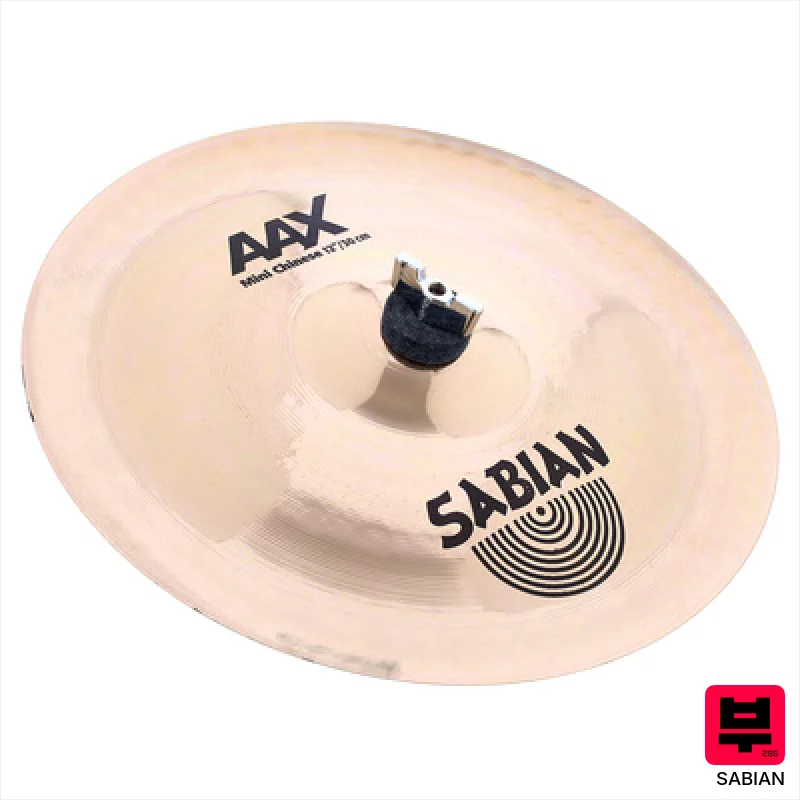
Sabian 12" AAX Mini China Brilliant
- • Bright, cutting sizzle with a quick, responsive decay.
- • AAX Brilliant finish enhances shimmer and projection.
- • Thin profile allows for controlled, nuanced accents.
- • Sabian's B20 bronze delivers a complex, musical tone.
- • Brilliant finish shows fingerprints and handling marks easily.
- • Limited tonal versatility compared to larger, more complex china cymbals.
- • Can be overly bright in certain musical contexts or with certain drum tunings.
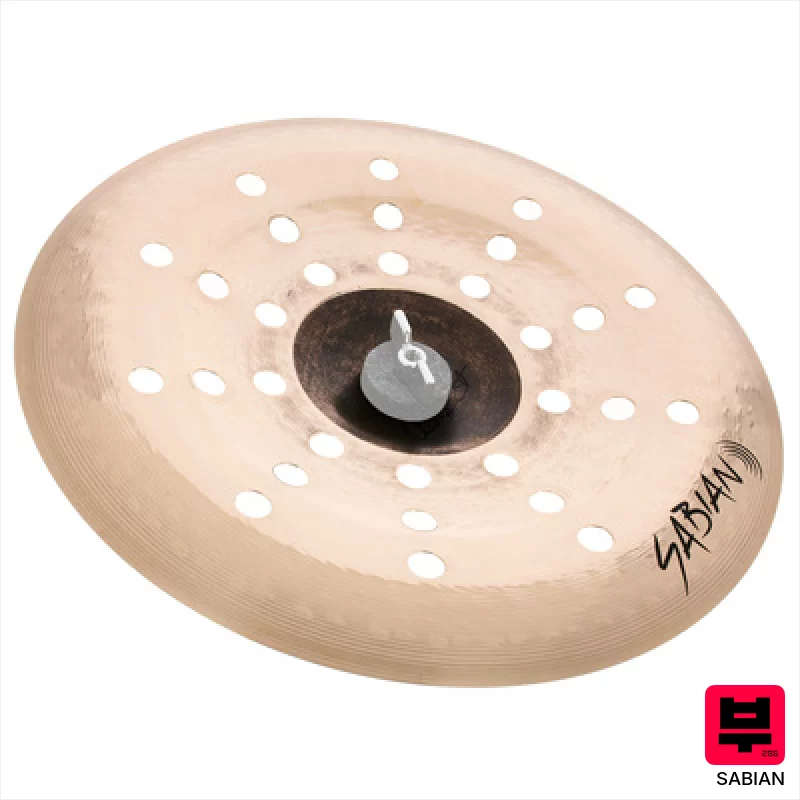
Sabian 12" AA Mini Holy China
- • Chad Smith’s input delivers a uniquely aggressive and cutting sound.
- • Extra thin profile allows for incredibly fast, complex wash patterns.
- • Brilliant finish provides visual appeal and enhances high-frequency projection.
- • Relatively compact size makes it ideal for smaller kits or tighter stages.
- • The thinness makes it susceptible to cracking with rough handling.
- • Limited tonal versatility; excels in aggressive styles, less suited for subtle work.
- • High price point compared to other 12 in china cymbal options.
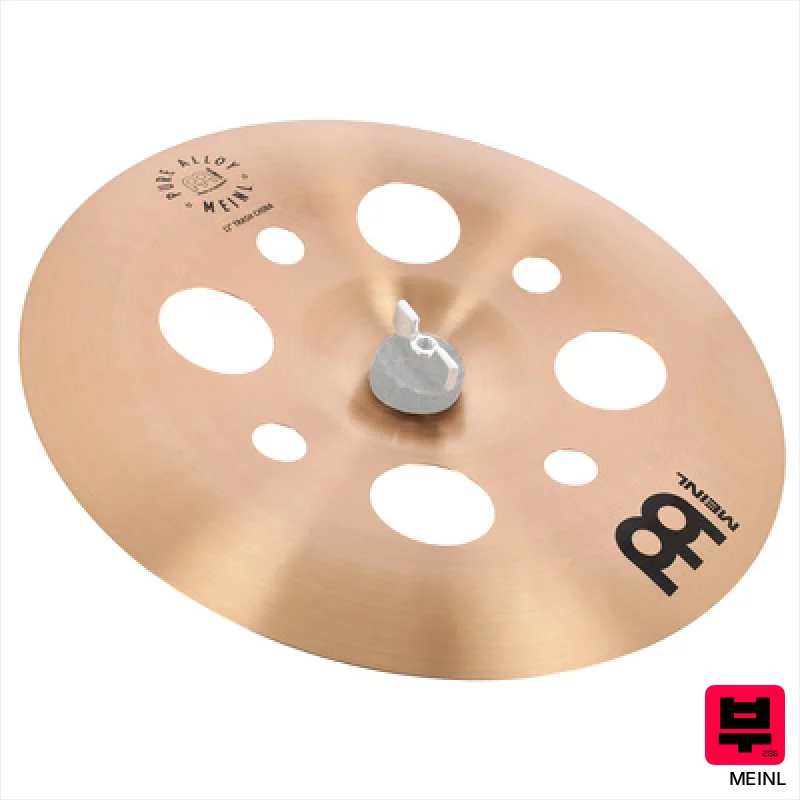
Meinl Pure Alloy 12" Trash China
- • Meinl’s Pure Alloy blend offers a unique, trashy, yet controlled character.
- • The 12 in size is incredibly versatile across various genres and setups.
- • Traditional hammering provides a complex wash and distinct bell tone.
- • German manufacturing ensures consistent quality and durability.
- • The 'trash' sound can be quite aggressive; not ideal for all musical styles.
- • Pure Alloy isn’t as bright or cutting as some other cymbal alloys.
- • While durable, the thinner profile may not withstand extremely heavy hitting.

Meinl 12" Pure Alloy Cust. Trash Ch.
- • The Pure Alloy blend delivers a unique, complex trashy shimmer.
- • German manufacturing ensures consistent quality and excellent workmanship.
- • Smoke Bronze finish minimizes stick marks and adds a professional aesthetic.
- • 12 in size offers a manageable trashiness without overwhelming a kit.
- • The bright sound might clash with darker, vintage-style drum kits.
- • Pure Alloy cymbals can be slightly more brittle than traditional bronze.
- • Lacks the extreme, chaotic wash of larger, more aggressively pitched trash cymbals.

Meinl 12" HCS China
- • MS63 bronze offers a surprisingly bright, cutting sizzle.
- • Fast response allows for quick, nuanced cymbal swells and crashes.
- • The medium-thin weight is easy to control, even for beginners.
- • Affordable price point makes it accessible for budget-conscious drummers.
- • MS63 bronze lacks the complexity of B20 bronze cymbals.
- • The medium decay means it won't sustain as long as premium china models.
- • The finish is basic and prone to scratching with heavy use.
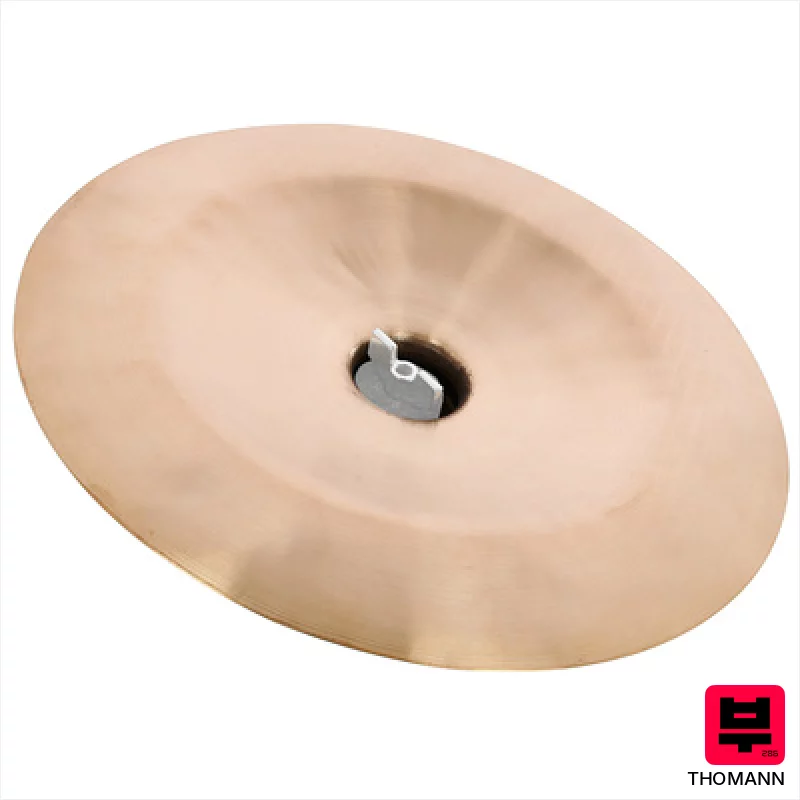
Thomann China Cymbal 30cm
- • Surprisingly full and wash for a cymbal in this price range.
- • Wuhan-made construction indicates a decent level of craftsmanship for the cost.
- • The raw, unlathed bell produces a distinctive, trashy overtone complexity.
- • Provides a budget-friendly option for experimenting with China cymbal sounds.
- • Lacks the sustain and clarity of higher-end, more refined China cymbals.
- • The hammering is inconsistent, resulting in some tonal unevenness across the surface.
- • The thin weight limits dynamic range and may warp with aggressive playing.
How to Choose the Best 12" China Cymbals
Wash & Splash
This is the core. You want a wide, shimmering wash that isn't just a high-pitched ring. A good China should have a complex overtone series, creating a swirling, almost vocal quality. Too much ice-picky high-end and it'll just be annoying.
Trashiness/Articulation
The "trash" is what makes a China a China. It's the raw, unrefined edge that cuts through a dense mix. But too much harshness becomes unmusical. We're looking for a balance - aggressive, but still controllable.
Sustain & Decay
A China shouldn't just pop and die. It needs enough sustain to create a wash, but also a controlled decay to avoid muddiness. Short sustain can feel choked; long sustain can get overwhelming.
Bell Definition
The bell's action is crucial for those crisp, cutting accents. A well-defined bell will give you more focused attack and clarity, especially when you're trying to cut through a loud band or mic'd up for recording.
Build Quality & Latency
Let's be real, budget cymbals can feel flimsy. We're looking for something that holds up to gigging, won't warp easily, and doesn't have excessive latency - that delayed response that makes it feel disconnected.
Buying Guide
At this price point, expect some compromises. The alloy will likely be a bronze blend, not B20 bronze, which means a slightly less complex, more "one-dimensional" sound. The lathing might be less precise, resulting in a slightly less responsive feel. Don't expect the same level of hand-hammering or finishing as a top-tier cymbal; it'll be machine-made, which impacts the overall character. Focus on finding one that has a usable wash and a decent bell without being completely brittle or overly harsh.
How This List Is Built
We don't play these instruments — we're a catalog, not a review desk, and we'd rather say so than pretend otherwise. This page ranks 7 12" china cymbals from the Thomann catalogue, which is the largest single source of specification data in this category.
Position is computed, not curated. Four signals, in order of weight: how completely the manufacturer documents the instrument (number of published specifications), where it sits in the price range, how specific the model designation is — which filters out generic accessories — and whether a product image exists. The same inputs always produce the same order, so nothing here is shuffled to look fresh.
What this list is good for: narrowing a category down to a shortlist by spec and budget. What it isn't: a substitute for hearing an instrument. Before you buy, read hands-on reviews and, where you can, play it. Full methodology.

