
Best 1/4 Size Classical Guitars Under $800 2026
Alright, so you're looking at a 1/4 size classical - a great starting point for younger players or those wanting a more manageable instrument. Finding a decent one that doesn't sound like a toy and won't break the bank can be tricky. We're focusing on instruments under $800; you're not gonna get a Ramirez level tone, but you can find something that inspires playing and sounds decent enough for lessons, casual jams, or even recording simple tracks.
Last updated: April 11, 2026
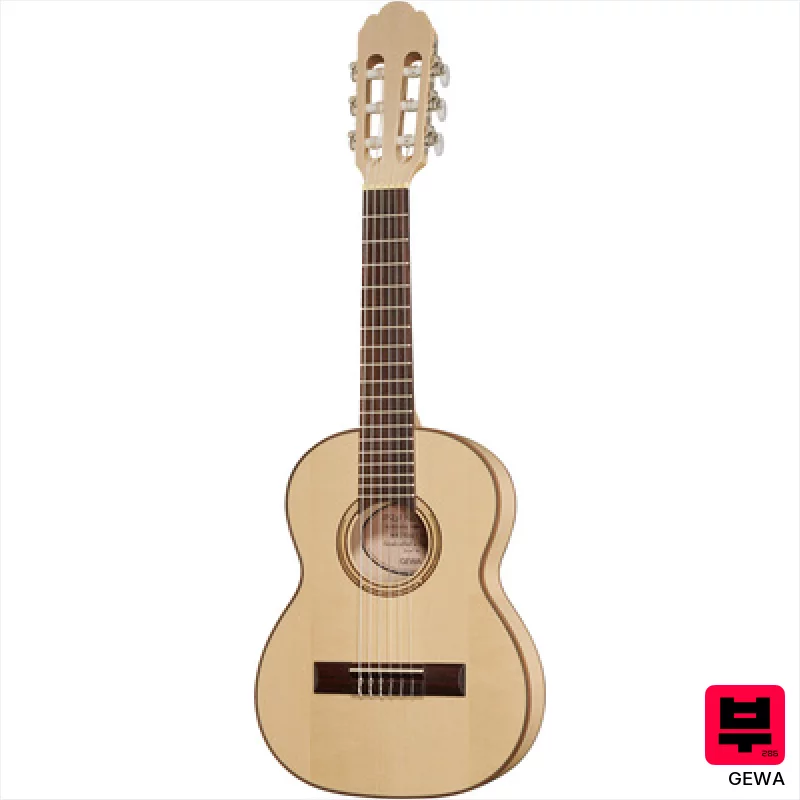
Gewa Pro Natura Silver 1/4
- • Solid spruce top provides a surprisingly bright and responsive tone.
- • Maple back and sides offer a balanced, clear projection for a student instrument.
- • Acacia fingerboard is smooth and comfortable for smaller hands learning chords.
- • Chrome tuners are a nice touch, offering stable tuning for a beginner's guitar.
- • Acacia fingerboard, while playable, isn't as durable as ebony and may show wear quicker.
- • Water-based satin finish can feel a little plasticky initially, though it improves with handling.
- • Scale length is quite short, limiting advanced techniques and future playing versatility.
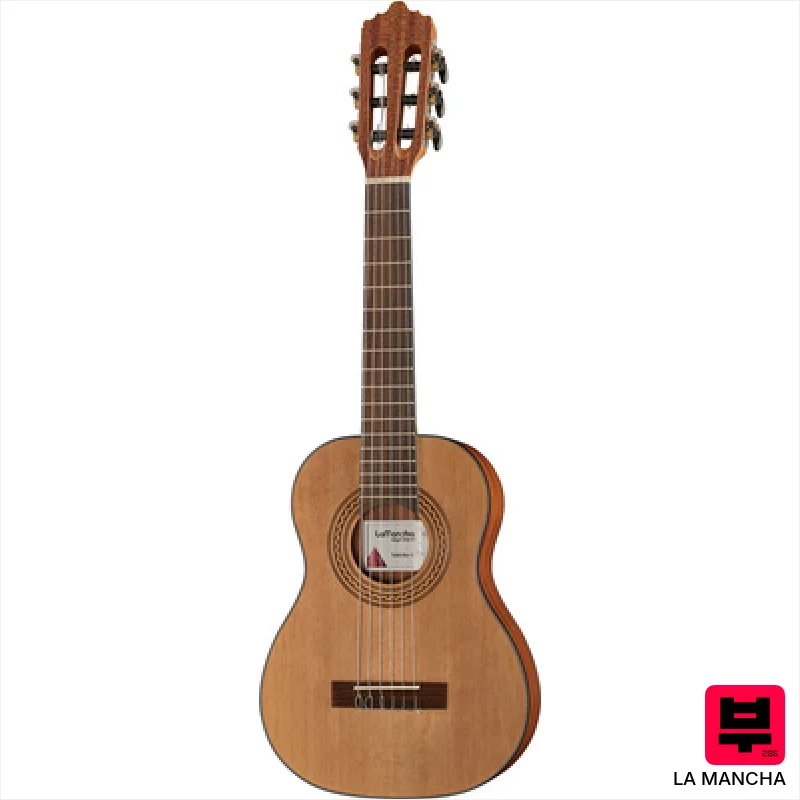
La Mancha Rubinito CM/47
- • Solid cedar top provides a warm, responsive tone ideal for student development.
- • Ovangkol fingerboard and bridge offer good durability and a pleasant feel.
- • Nubone nut and saddle enhance sustain and improve tuning stability.
- • Nickel-plated machine heads offer smooth tuning and a classic aesthetic.
- • Mahogany back and sides limit the guitar's projection compared to rosewood alternatives.
- • Nato neck, while stable, lacks the tonal complexity of Spanish cedar.
- • Open-pore finish, while attractive, requires more careful humidity control.
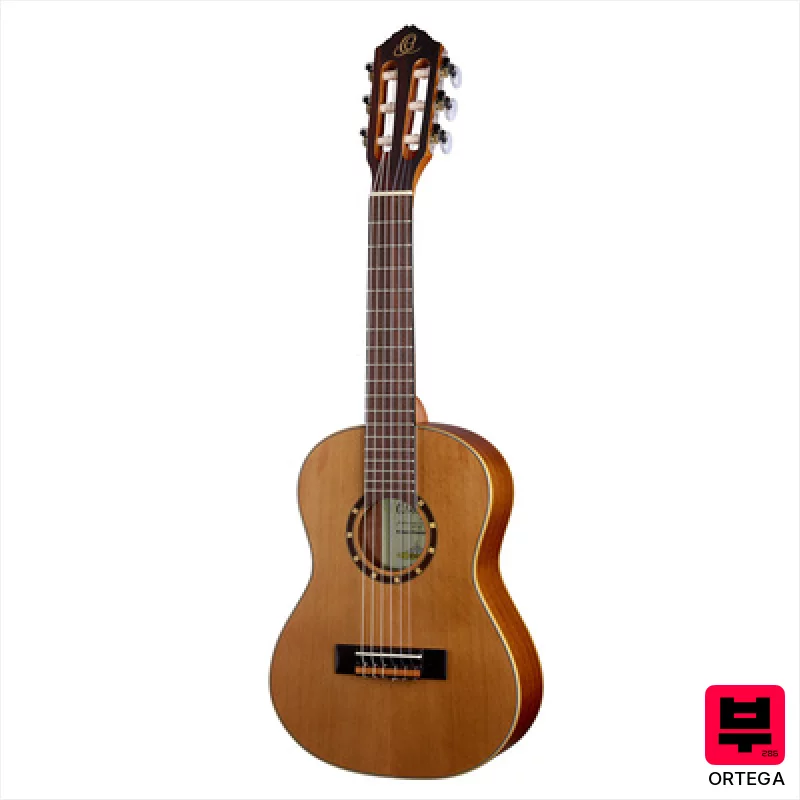
Ortega R122-1/4
- • Cedar top provides a warm, responsive tone ideal for student learning.
- • Sapele back and sides offer good projection and sustain for its size.
- • Okume neck is lightweight, contributing to comfortable playability for smaller hands.
- • Walnut fingerboard and bridge provide a stable, resonant platform for string vibration.
- • Cedar top is susceptible to dings and scratches; requires careful handling.
- • Okume neck, while lightweight, might lack the stiffness of mahogany in higher-end models.
- • The included D'Addario strings are entry-level; an upgrade will improve tone.

La Mancha Rubinito LSM/47
- • Spruce top delivers a surprisingly mature, resonant tone for a 1/4 size.
- • Nato neck provides stability and a comfortable, consistent feel for smaller hands.
- • Nubone nut and saddle enhance sustain and intonation, a nice touch at this price.
- • Savarez strings offer a balanced, pleasant sound – ideal for beginners.
- • Mahogany back and sides limit the overall projection compared to rosewood alternatives.
- • ABS binding, while functional, lacks the aesthetic refinement of wood binding.
- • 43mm nut width might feel narrow for players accustomed to wider classical necks.
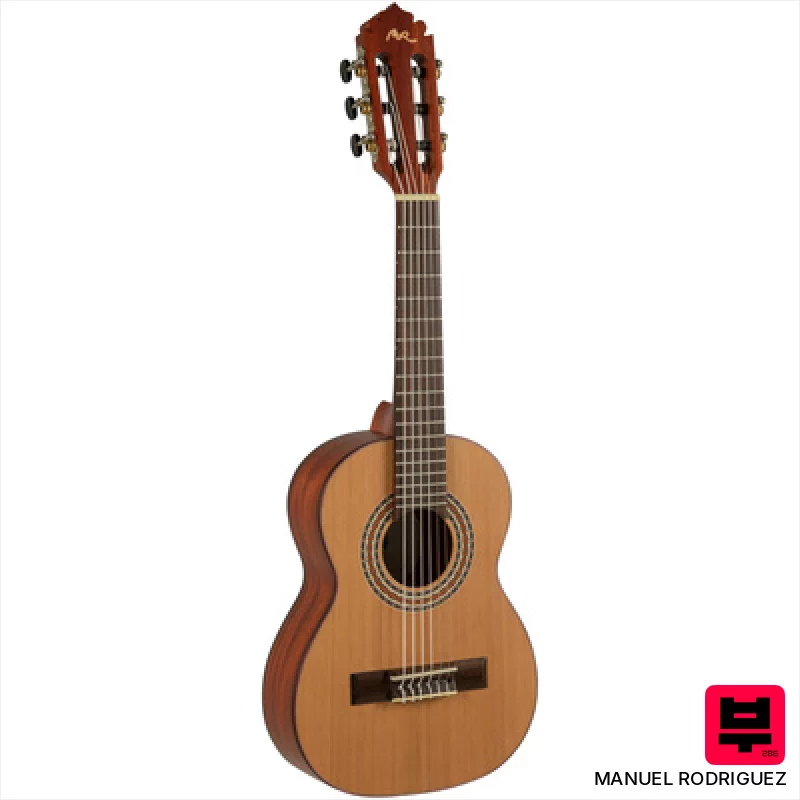
Manuel Rodriguez T-44
- • Solid cedar top delivers a warm, responsive tone ideal for student learning.
- • Mahogany back and sides provide a balanced, mature sound beyond its size.
- • Ovangkol fingerboard offers excellent durability and a smooth playing experience.
- • Hannabach strings provide a respectable starting point for tone and playability.
- • Smaller scale length (440mm) limits advanced players’ comfortable reach.
- • Ovangkol fingerboard, while durable, isn't as tonally vibrant as ebony.
- • Mahogany construction may lack the projection of rosewood in larger guitars.
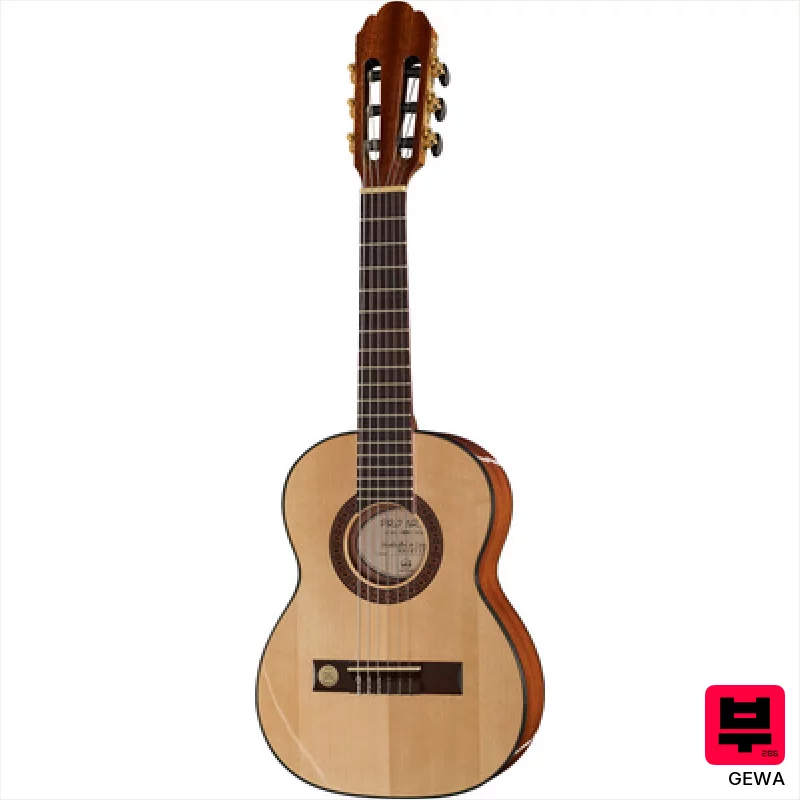
Gewa Pro Arte GC-25 A
- • Solid spruce top provides a surprisingly resonant and bright tone.
- • Mahogany back and sides offer warmth and a balanced response.
- • Maple neck contributes to smooth playability and sustain.
- • European craftsmanship ensures decent build quality and attention to detail.
- • Acacia fingerboard can feel a bit harder than rosewood, affecting comfort.
- • High gloss finish might be a fingerprint magnet and potentially a bit fragile.
- • 44cm scale length limits advanced techniques for larger hands.
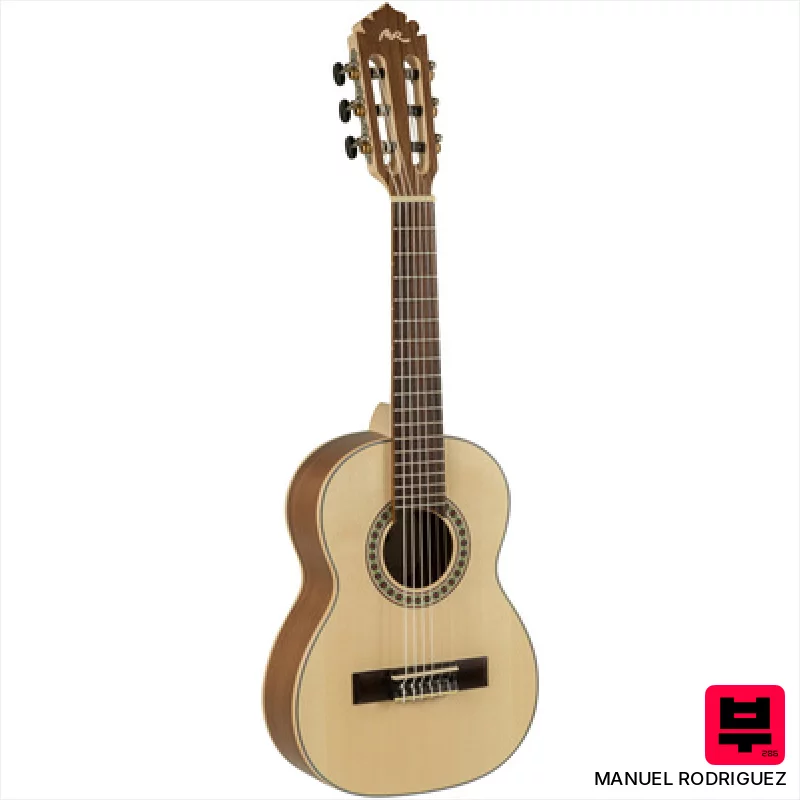
Manuel Rodriguez E-44
- • Solid spruce top delivers a surprisingly resonant and clear tone.
- • Walnut back and sides add warmth and a touch of complexity.
- • Maple neck provides stability and a comfortable playing feel for smaller hands.
- • Ocean Blue Matt finish is visually appealing and offers a subtle aesthetic.
- • 1/4 size limits its suitability for older or larger students.
- • Acacia fingerboard can feel slightly harder than rosewood, impacting playability.
- • While well-built, the overall construction feels budget-oriented compared to higher-end models.
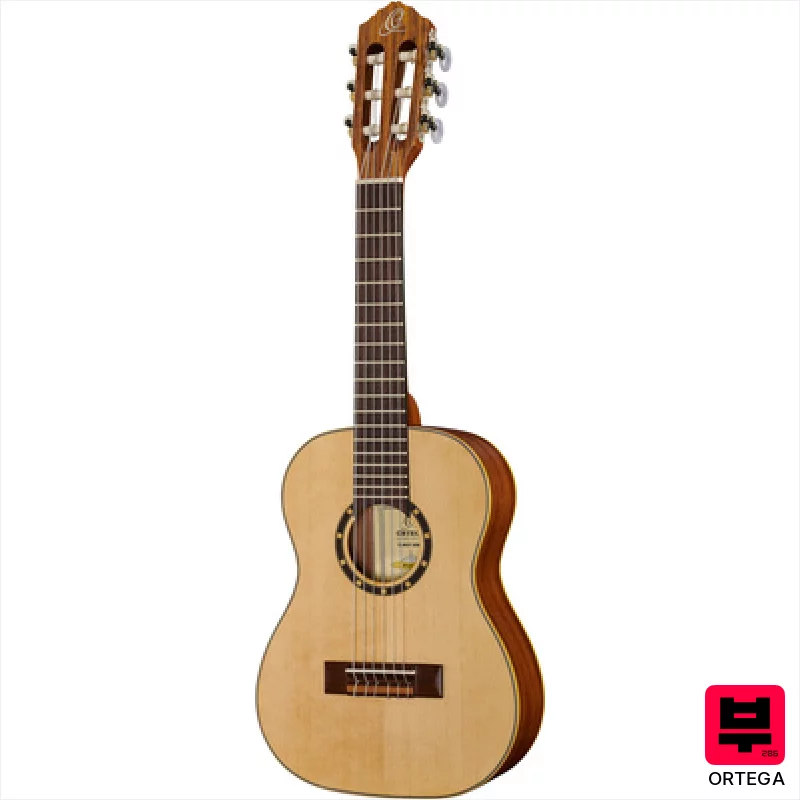
Ortega R121-1/4 NT
- • Spruce top delivers a surprisingly bright and responsive tone for the price.
- • Mahogany back and sides offer warmth and a focused midrange.
- • Walnut fingerboard provides a smooth playing experience, particularly for smaller hands.
- • Included gig bag is a genuinely usable, padded deluxe model.
- • The spruce top, while decent, won’t compete with higher-grade solid tops in projection.
- • Mahogany construction can be prone to slight movement with humidity changes.
- • Nut width of 43.5 mm might feel cramped for players accustomed to wider classical necks.

Startone CG851 1/4
- • Basswood body provides a warm, mellow tone suitable for beginners.
- • Jatoba fingerboard offers a surprisingly smooth playing experience for the price.
- • 43mm nut width eases finger placement, ideal for smaller hands.
- • Compact 1/4 size makes it exceptionally portable and easy to manage.
- • Basswood body lacks the resonance of more premium tonewoods like spruce.
- • Nato neck, while stable, isn't as tonally responsive as mahogany.
- • Basic nylon strings will likely need upgrading for improved sustain.
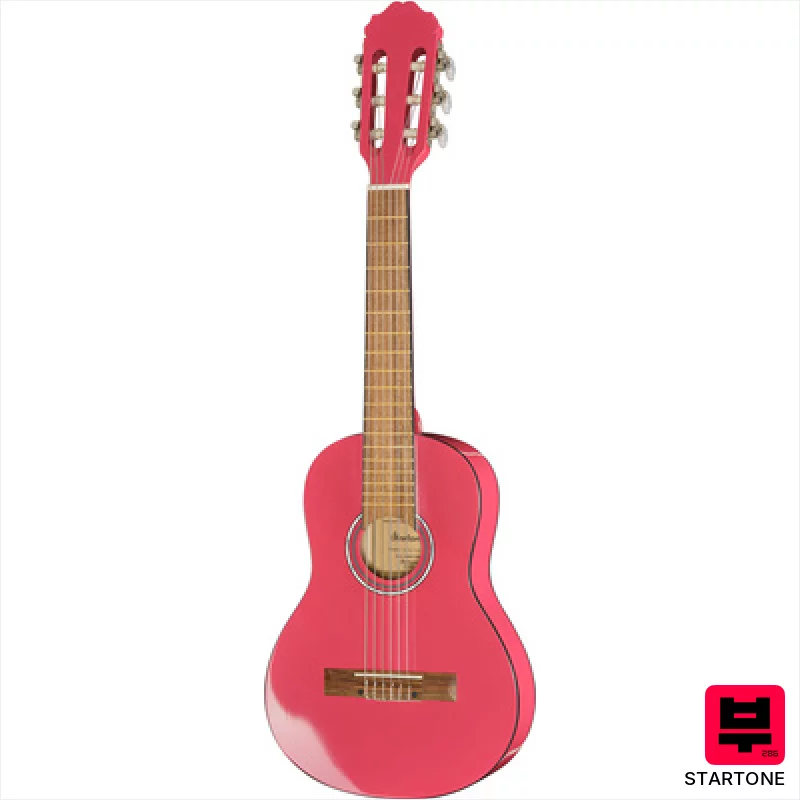
Startone CG-851 1/4 Pink
- • Pink matte finish is undeniably appealing for younger players
- • Basswood body offers a surprisingly warm, resonant tone for the price
- • 43mm nut width eases finger placement for smaller hands
- • Compact 480mm scale is ideal for travel and smaller students
- • Basswood, while warm, lacks the projection of higher-grade woods like Spruce
- • Maple fretboard can feel slightly harder than Rosewood, impacting playability
- • Black binding feels a little cheap, detracting from overall aesthetics
How to Choose the Best 1/4 Size Classical Guitars
Tonewoods
Solid top (usually spruce or cedar) is a must. Laminate backs and sides are common at this price point and will affect sustain and resonance - expect a less complex, slightly boxier tone. Avoid all-laminate guitars; they'll sound lifeless.
Action & Neck Profile
Lower action (string height) makes it easier to play, especially for beginners. A comfortable neck profile - not too thick, not too thin - is crucial for avoiding fatigue. Check for fret buzz; it's common and can be addressed, but it's a hassle.
Bracing Pattern
This impacts the guitar's resonance and projection. Traditional fan bracing is best, but expect simpler bracing patterns on budget models. It'll affect the overall tone - more complex bracing generally leads to more nuanced dynamics.
Construction Quality
Look for clean edges, well-fitted binding, and a secure neck joint. Sloppy construction means buzzing, intonation issues, and a guitar that won't age well. These are the details that separate a playable instrument from a frustrating one.
Hardware & Tuning Stability
Decent tuners are essential for staying in tune. Cheap plastic tuners will slip and make learning frustrating. Solid hardware is a small investment that pays off in frustration avoidance.
Buying Guide
At this price, you're making compromises. Don't expect the warmth and complexity of a higher-end guitar. Prioritize a solid top, decent action, and a comfortable neck. A good setup from a local luthier can dramatically improve even a budget guitar's playability and tone - it's almost always worth the investment. Be wary of guitars that look too good for the price; they're probably cutting corners somewhere.
How This List Is Built
We don't play these instruments — we're a catalog, not a review desk, and we'd rather say so than pretend otherwise. This page ranks 10 1/4 size classical guitars from the Thomann catalogue, which is the largest single source of specification data in this category.
Position is computed, not curated. Four signals, in order of weight: how completely the manufacturer documents the instrument (number of published specifications), where it sits in the price range, how specific the model designation is — which filters out generic accessories — and whether a product image exists. The same inputs always produce the same order, so nothing here is shuffled to look fresh.
What this list is good for: narrowing a category down to a shortlist by spec and budget. What it isn't: a substitute for hearing an instrument. Before you buy, read hands-on reviews and, where you can, play it. Full methodology.

